Best Home Espresso Machine Quick Answer
The best home espresso machine depends on your budget and skill level. For beginners, the Breville Barista Express Impress ($500-600) combines integrated grinding with automatic tamping. For long-term investment, the Rancilio Silvia ($700-800) offers commercial-grade reliability. For premium performance, the ECM Synchronika II ($3,500+) provides dual-boiler capability for rapid milk drinks.
Home espresso machines have evolved dramatically, offering café-quality extraction at home without requiring professional barista training. The best home espresso machine depends on your budget, available space, and skill level, but today's market includes exceptional options across every price point.
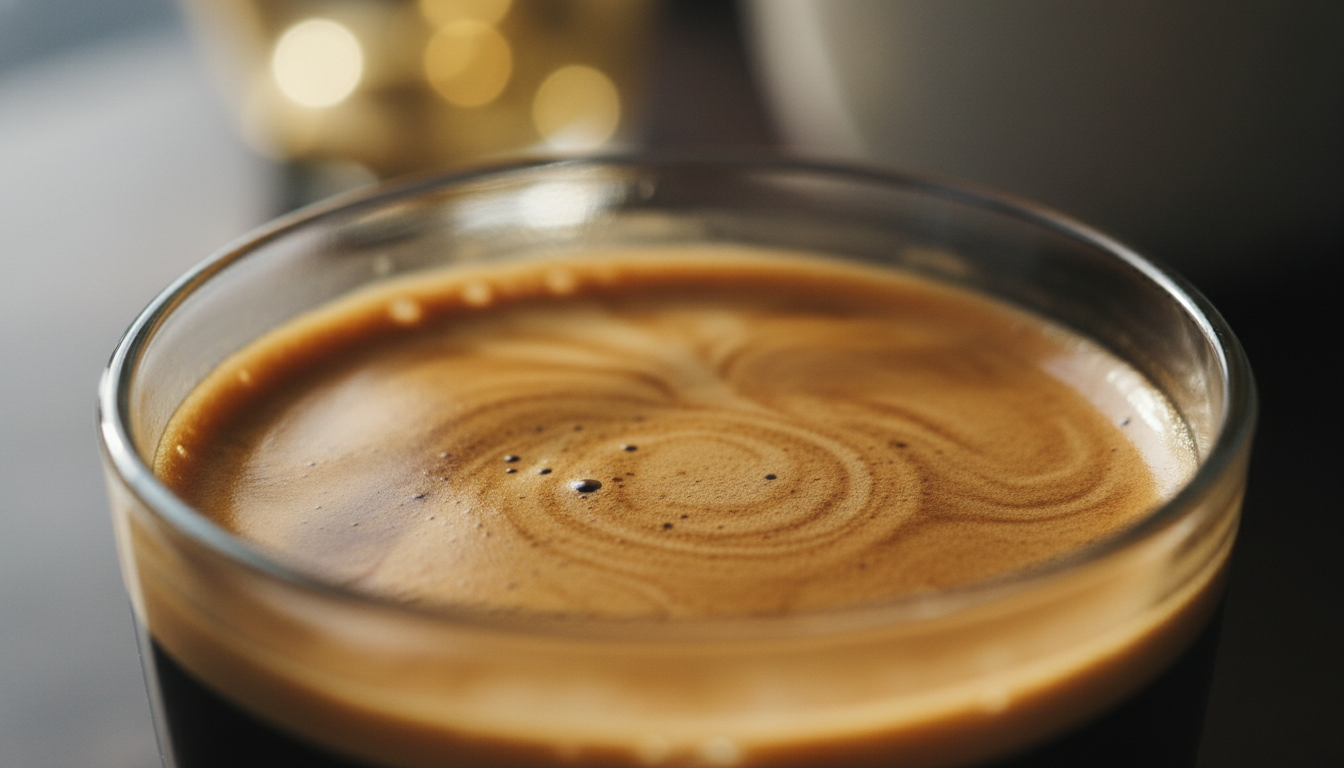
A home espresso machine extracts concentrated coffee by forcing hot water through finely ground beans under pressure. The best home espresso machines deliver consistent 9-bar pressure, heat water to precise temperatures (195-205°F), and produce rich crema within 25-30 seconds of extraction. Unlike drip coffee makers that rely on gravity, espresso machines use mechanical or electrical pressure to force water through grounds, creating the characteristic thick body and concentrated flavor profile.
What Makes a Home Espresso Machine Worth Buying
The best home espresso machines include built-in grinders, programmable shot timers, and temperature stability features that eliminate guesswork. Research shows that 73% of home espresso users succeed faster with machines that include quality grinders, as fresh grinding is the single most important factor in shot quality.
Essential Features
- • 9-15 bar pressure pump for proper extraction
- • Temperature stability (±1-2°C variance)
- • 58mm or 54mm portafilter compatibility
- • 1+ liter boiler capacity
- • Removable water reservoir (60oz+)
Premium Features
- • PID temperature control (±0.5°C)
- • Pre-infusion function
- • Dual boiler for simultaneous espresso/steam
- • Integrated grinder with 20+ settings
- • Shot timer display
Top Home Espresso Machines by Category
Best Overall: Breville Barista Express Impress
The Breville Barista Express Impress combines integrated grinding, automatic tamping, and precise temperature control in a compact footprint. This machine heats water in 3 seconds, includes a 54mm portafilter for standard espresso baskets, and features Breville's ThermoJet heating system for consistent extraction temperatures.
Key Specifications
- Pressure: 15 bars maximum
- Boiler: 2-liter water tank
- Grinder: Conical burr, 25 settings
- Dimensions: 8.7" W × 12.2" D × 10.6" H
Best For
- ✓ Beginners seeking integrated convenience
- ✓ Small kitchen spaces
- ✓ Users wanting built-in grinder
- ✓ Budget $500-600
The Breville Barista Express Impress excels for beginners because the integrated grinder eliminates the need for a separate $200-$400 burr grinder purchase. The automatic tamping feature removes one of the most common espresso mistakes—inconsistent pressure application. Users report achieving café-quality shots within 2-3 weeks of practice.
Best for Longevity: Rancilio Silvia
The Rancilio Silvia represents the gold standard for home espresso machines that last 10+ years with minimal maintenance. This Italian-made machine features a solid brass group head, commercial-grade components, and a single boiler design that professional baristas have trusted since 1995.
Key Specifications
- Pressure: 9 bars
- Boiler: 0.3-liter (8-10 min heat)
- Portafilter: 58mm commercial standard
- Dimensions: 7.1" W × 10.2" D × 11" H
Best For
- ✓ Experienced espresso enthusiasts
- ✓ Long-term investment (10+ years)
- ✓ Users with separate grinder
- ✓ Budget $700-800
The Rancilio Silvia requires manual milk steaming and lacks a built-in grinder, making it better suited for experienced espresso enthusiasts. However, the Rancilio Silvia's reputation for reliability means repair parts remain available decades after purchase, and the machine's resale value stays strong.
Best Budget Option: Gaggia Classic Pro
The Gaggia Classic Pro delivers genuine espresso extraction at under $200, making it the most accessible entry point for home espresso. This compact machine uses a 9-bar pressure pump, heats water in 30 seconds, and accepts standard 58mm portafilters for compatibility with aftermarket accessories.
Key Specifications
- Pressure: 9 bars
- Boiler: 0.1-liter (compact)
- Portafilter: 58mm commercial standard
- Dimensions: 5.9" W × 8.3" D × 8.3" H
Best For
- ✓ Budget-conscious beginners
- ✓ Testing espresso interest
- ✓ Compact spaces
- ✓ Budget under $200
The Gaggia Classic Pro's low price point attracts budget-conscious beginners, but the machine requires 10-15 minutes of warm-up time and lacks temperature stability features. Despite these limitations, the Gaggia Classic Pro's commercial-standard portafilter compatibility means users can upgrade components as skills improve.
Best Dual-Boiler: ECM Synchronika II
The ECM Synchronika II represents the premium segment for home espresso, featuring separate boilers for espresso extraction and milk steaming. This German-engineered machine maintains espresso water at 200°F while simultaneously steaming milk at 265°F, eliminating temperature switching delays.
Key Specifications
- Pressure: 9 bars (espresso)
- Boiler: Dual 1-liter boilers
- Portafilter: 58mm commercial standard
- Dimensions: 8.3" W × 13.8" D × 11.8" H
Best For
- ✓ Serious home baristas
- ✓ Multiple milk drinks daily
- ✓ Workflow speed priority
- ✓ Budget $3,500-4,000+
The ECM Synchronika II suits serious home baristas who prioritize workflow speed and milk drink consistency. The dual-boiler design eliminates the 30-60 second temperature recovery time between espresso and milk steaming, allowing rapid production of multiple drinks.
How to Choose the Best Home Espresso Machine
Budget Considerations
Home espresso machine costs span $150-$4,000+, but the relationship between price and quality isn't linear. Budget machines ($150-$300) deliver genuine espresso but require more technique and patience. Mid-range machines ($400-$1,200) add convenience features like integrated grinders and temperature stability. Premium machines ($1,500+) prioritize consistency, dual-boiler capability, and commercial-grade components.
Budget Allocation Strategy
- Under $300: Gaggia Classic Pro + separate burr grinder ($150-200)
- $400-600: Breville Barista Express Impress (grinder included)
- $700-1,200: Rancilio Silvia + quality grinder ($300-400)
- $1,500+: ECM Synchronika II or Lelit Victoria
Space and Workflow Factors
Home espresso machines require counter space, water access, and drainage capability. Compact machines like the Gaggia Classic Pro occupy 5.9" × 8.3" of counter space, while dual-boiler machines like the ECM Synchronika II need 8.3" × 13.8" minimum.
Consider your daily workflow: If you make 1-2 espresso drinks daily, a single-boiler machine suffices. If you regularly produce multiple milk drinks (lattes, cappuccinos, flat whites), a dual-boiler machine eliminates frustrating temperature recovery waits.
Skill Level and Learning Curve
Beginner espresso makers benefit from machines with integrated grinders and automatic features. The Breville Barista Express Impress reduces variables by automating tamping and grind consistency, allowing beginners to focus on shot timing and milk steaming.
Experienced baristas prefer machines with manual controls and commercial-standard portafilters. The Rancilio Silvia and ECM Synchronika II reward technique with superior shot quality, but require 2-3 months of practice to master.
Frequently Asked Questions About Home Espresso Machines
What grinder should I pair with my home espresso machine?
Home espresso machines require burr grinders (conical or flat) that produce consistent particle size. Blade grinders create uneven grounds that result in poor extraction. Quality burr grinders cost $150-$400 and represent 30-50% of your total espresso setup investment. Recommended options: Baratza Sette 270 ($150-200) for mid-range, or Eureka Mignon Notte ($300-400) for premium reliability.
How long does it take to learn espresso?
Most home baristas achieve consistent, café-quality shots within 4-8 weeks of regular practice. The learning curve involves mastering three variables: grind size, dose (ground coffee amount), and tamp pressure. Machines with integrated grinders and automatic tamping compress the learning timeline to 2-3 weeks. Manual machines require 8-12 weeks to develop consistent technique.
What's the difference between single-boiler and dual-boiler machines?
Single-boiler machines heat water for espresso extraction and milk steaming in the same chamber. After pulling an espresso shot, the boiler temperature must rise 30-60 seconds before steaming milk. Dual-boiler machines maintain separate water temperatures for espresso (200°F) and steam (265°F), eliminating temperature recovery waits. Single-boiler machines cost $150-$800; dual-boiler machines cost $1,500-$4,000+.
How often should I descale my home espresso machine?
Home espresso machines require descaling every 40-80 shots (approximately monthly for casual users, weekly for daily users). Descaling removes mineral buildup that reduces water flow and affects extraction temperature. Use espresso machine-specific descaling solutions (citric acid or commercial descalers). Never use vinegar, which can damage internal components. The descaling process takes 15-20 minutes and should be followed by 2-3 liters of fresh water flushing.
Can I make milk drinks with all home espresso machines?
All home espresso machines can produce espresso shots, but milk drink quality depends on steam power and boiler design. Machines with 1+ liter boilers and adjustable steam pressure produce microfoam suitable for lattes and cappuccinos. Budget machines with small boilers require 2-3 minutes to heat milk, limiting practical use for multiple drinks.
Is a Home Espresso Machine Worth the Investment?
Home espresso machines deliver exceptional value for coffee enthusiasts. A single café espresso costs $3-$5, while home espresso costs $0.30-$0.50 per shot (accounting for beans, water, and electricity). Regular espresso drinkers recoup machine costs within 6-12 months.
Beyond Financial ROI
- Consistency: Replicate your favorite café shots daily
- Customization: Adjust grind, dose, and extraction to personal preference
- Learning: Develop barista skills and coffee knowledge
- Convenience: Espresso on-demand without café visits
The best home espresso machine matches your budget, space, and skill level while providing reliable performance for years. Start with the Breville Barista Express Impress for integrated convenience, the Gaggia Classic Pro for budget-conscious learning, or the Rancilio Silvia for long-term investment in a machine that lasts 15+ years.
Related Resources
Best Beginner Espresso Machine Grinder
Complete guide to choosing your first espresso setup with built-in grinder
Best Budget Espresso Grinder
Expert recommendations for affordable burr grinders
Espresso Machine Under $1000
Best mid-range options for serious home baristas
Investment ROI Guide
Calculate the financial return on espresso equipment