Frother Types
Optimal Temp
Sweet Spot
Price Range
Choosing the Right Milk Frother
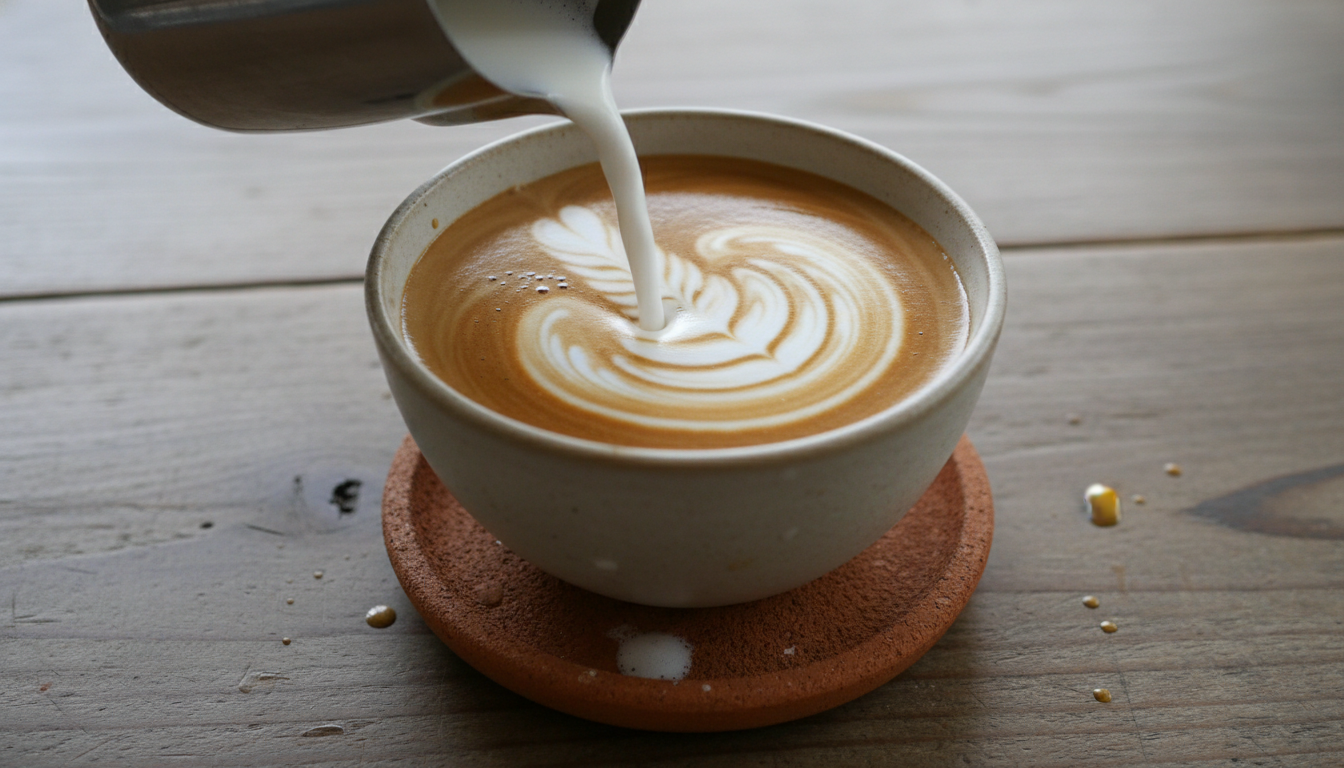
The perfect latte art starts with perfectly textured milk. A quality milk frother creates the microfoam needed for beautiful designs, whether you're pouring hearts, rosettas, or complex tulips. The right frother depends on your skill level, volume needs, and artistic ambitions. Mastering milk frothing is essential for latte art success.
Professional baristas often prefer manual frothers for maximum control, while home users might opt for electric convenience. The key is achieving fine, glossy microfoam with no large bubbles. Consider your daily routine - are you making one morning latte or multiple drinks? Your espresso setup also influences the best choice.
✓ Look For:
- • Temperature control for consistency
- • Speed options for different milk types
- • Capacity matching your needs
- • Easy cleaning and maintenance
- • Durable construction for daily use
Quick Answer
The Breville Milk Cafe is best for beginners, Nespresso Aeroccino for convenience, and handheld frothers for budget-conscious artists. Professional baristas prefer steam wands for ultimate control.
Top Milk Frothers for Latte Art
Breville Milk Cafe
Best overall for home latte artists
- Capacity: 3 cups (750ml)
- Temperature: Adjustable, up to 170°F
- Froth Quality: Excellent microfoam
- Pros: Consistent results, quiet operation
- Cons: Takes up counter space
- Price: $100-150
Nespresso Aeroccino 4
Most convenient and compact
- Capacity: 1 cup (240ml)
- Temperature: Automatic optimal temp
- Froth Quality: Good for basic designs
- Pros: One-touch operation, compact
- Cons: Limited capacity, basic foam
- Price: $80-100
Zulay Kitchen Handheld Milk Frother
Best budget option with control
- Capacity: Unlimited (use any cup)
- Temperature: Heat separately
- Froth Quality: Excellent with practice
- Pros: Affordable, portable, full control
- Cons: Requires technique, manual heating
- Price: $10-15
Secura Electric Milk Frother
Best for multiple drinks
- Capacity: 4 cups (500ml)
- Temperature: Multiple settings
- Froth Quality: Very good consistency
- Pros: Large capacity, multiple functions
- Cons: Bulkier design
- Price: $60-80
Espro Toroid Pitcher
Best for steam wand users
- Capacity: 12 oz (355ml)
- Temperature: Works with any steam wand
- Froth Quality: Professional-grade microfoam
- Pros: Creates perfect vortex, durable
- Cons: Requires espresso machine with steam
- Price: $30-40
Types of Milk Frothers
Electric Automatic:
- Best for: Convenience seekers
- Pros: One-touch, consistent results
- Cons: Limited control, cleaning required
- Examples: Breville, Nespresso, Secura
Handheld Manual:
- Best for: Budget-conscious artists
- Pros: Full control, portable, cheap
- Cons: Requires practice, manual heating
- Examples: Zulay, PowerLix, HIC
Milk Type Guide
Whole Milk
Best for beginners. High fat content creates stable, creamy microfoam ideal for basic latte art.
Oat Milk
Popular choice. Creates smooth foam with slightly sweet taste. Works well with most frothers.
Almond Milk
Lighter foam. Requires more technique. Best with barista blends for better stability.
Soy Milk
Good alternative. Creates stable foam but can curdle if overheated. Watch temperature carefully.
Frothing Techniques
Professional Tips:
- Start with cold milk for better foam structure
- Clean frother immediately after each use
- Use fresh milk for best results
- Practice swirling motion for even texture
- Stop at 150-160°F to preserve sweetness
Maintenance Guide
Essential Care:
- Rinse after every use, never leave milk sitting
- Deep clean weekly with vinegar solution
- Check for milk buildup in crevices
- Replace worn seals annually
- Descaling monthly in hard water areas