Breville Barista Express First-Time Setup & Dialing In Guide
Complete walkthrough for unboxing, cleaning, calibrating, and pulling your first shot on the Breville Barista Express integrated grinder espresso machine
Quick Answer
The Breville Barista Express requires a 15-minute initial cleaning cycle before first use. Set the grind size to 5, dose 18-20g, and aim for 25-30 second extraction time. The pressure gauge needle should sit in the espresso range (gray zone) during extraction. Dial in by adjusting grind size finer if extraction runs fast, coarser if slow.
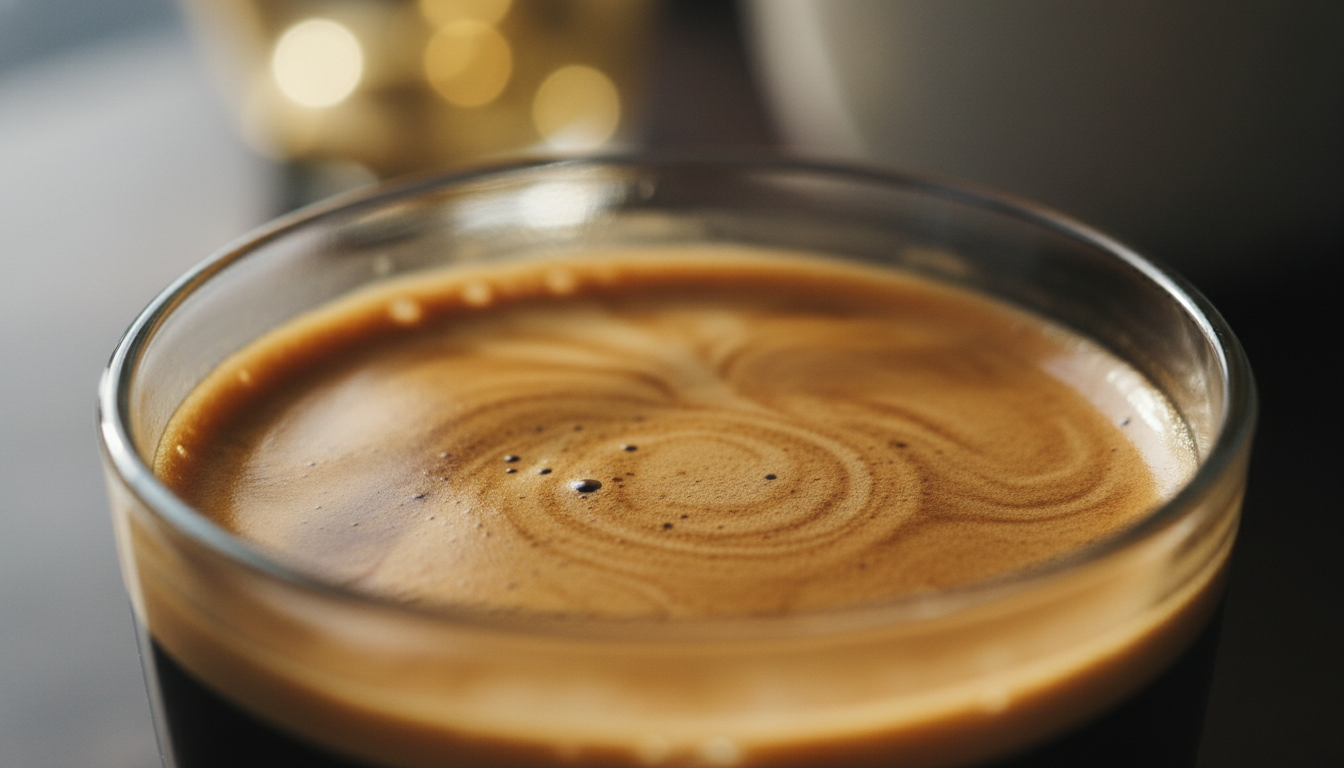
Properly dialed-in espresso extraction produces rich, golden crema with complex flavor notes
Breville Barista Express: Entity Definition
Primary Entity: Breville Barista Express
Definition: The Breville Barista Express (Model BES870XL) is a semi-automatic espresso machine featuring an integrated conical burr grinder, 15-bar Italian pump, thermocoil heating system, and adjustable grind settings designed for home espresso preparation.
Component Taxonomy:
Breville Barista Express
- ├─ Integrated Conical Burr Grinder (18 grind settings)
- ├─ 15-Bar Italian Pump System
- ├─ Thermocoil Heating Element (PID temperature control)
- ├─ Pressure Gauge (Extraction monitoring)
- ├─ Steam Wand (Manual milk texturing)
- ├─ 54mm Portafilter (Pressurized & non-pressurized baskets)
- └─ 67oz Removable Water Reservoir
Setup Sequence Matrix
| Setup Step | Duration | Purpose | Critical? |
|---|---|---|---|
| Unboxing & Inspection | 10-15 minutes | Verify components, remove packaging | Yes |
| Initial Cleaning Cycle | 15 minutes | Flush manufacturing residues | Yes |
| Grinder Calibration | 10-20 minutes | Establish baseline grind setting | Yes |
| First Shot Dial-In | 30-60 minutes | Achieve proper extraction parameters | Yes |
| Steam Wand Setup | 5 minutes | Purge and prepare for milk texturing | No |
Unboxing the Integrated Grinder Machine
The Breville Barista Express ships in a substantial box containing the espresso machine, accessories, and documentation. Remove the machine from packaging carefully—the unit weighs approximately 23 pounds and requires two-handed lifting. Place the machine on a stable, level countertop near a grounded electrical outlet.
Box Contents Checklist
- ✓ Breville Barista Express espresso machine unit
- ✓ 54mm portafilter with single and double wall filter baskets
- ✓ Integrated tamper (magnetic storage)
- ✓ Razor precision dose trimming tool
- ✓ Stainless steel milk jug (480ml capacity)
- ✓ Cleaning kit (brush, Allen key, cleaning tablets)
- ✓ Water filter and holder
- ✓ Instruction manual and quick start guide
Inspect all components for shipping damage. Check that the water reservoir sits properly in the rear housing and that the drip tray slides smoothly into the base. The bean hopper should rotate freely onto the grinder collar with a firm press-and-twist motion.
Before first use, wash all removable parts (water reservoir, drip tray, portafilter, filter baskets, and milk jug) with warm soapy water. Rinse thoroughly and dry completely. Do not immerse the main machine unit in water.
Initial Cleaning Cycle: Mandatory First Step
The Breville Barista Express requires an initial cleaning cycle to flush manufacturing oils, dust, and residues from the internal water path. This process takes approximately 15 minutes and must complete before brewing espresso.
Cleaning Cycle Steps (Sequential)
- 1. Fill Reservoir: Add fresh cold water to the 67oz reservoir (do not exceed MAX line)
- 2. Install Water Filter: Soak the filter cartridge for 5 minutes, then insert into holder
- 3. Power On: Press the POWER button—indicator lights will flash during heating
- 4. Wait for Ready: All buttons illuminate steadily when machine reaches 200°F
- 5. Run Hot Water: Place empty container under group head, press 2 CUP button for 10 seconds
- 6. Repeat Flush: Run 3-4 full reservoir cycles through the group head
- 7. Steam Wand Flush: Turn steam dial to steam position for 10 seconds, then purge with water
The initial cleaning cycle serves two purposes: removing manufacturing residues and priming the thermocoil heating system. The first few water cycles may appear cloudy or contain small particles—this is normal and indicates the cleaning process works correctly.
Discard all water from the initial cleaning cycle. Do not consume espresso produced during the first few extraction attempts as the internal plumbing continues to season. The machine reaches optimal performance after 5-10 extraction cycles.
Grinder Adjustment Basics
The Breville Barista Express features an 18-setting conical burr grinder integrated into the machine body. Grinder calibration determines espresso extraction quality more than any other variable. The grind size range spans from 1 (finest) to 18 (coarsest), with most espresso recipes requiring settings between 3 and 8.
Grind Size Reference Matrix
| Grind Setting | Particle Size | Use Case | Extraction Result |
|---|---|---|---|
| 1-3 | Very Fine | Dark roasts, pressurized baskets | Slow, over-extracted risk |
| 4-6 | Fine | Medium roasts, non-pressurized | Balanced extraction |
| 7-10 | Medium-Fine | Light roasts, high dose | Faster extraction |
| 11-18 | Medium-Coarse | Not recommended for espresso | Under-extracted, fast |
Grinder Calibration Procedure
Start with the grind size set to 5—a middle position allowing adjustment in either direction. The grind amount dial (located on the front panel) controls dose volume. Set this dial to the 12 o'clock position initially, then adjust based on portafilter fill level.
The grinder requires 2-3 seconds of running time to stabilize after grind size adjustment. Always purge 2-3 grams of coffee after changing grind settings to clear residual grounds from the previous setting. The integrated grinder retains approximately 1-2 grams of coffee in the chute between grind cycles.
Fresh coffee beans produce different grind characteristics than stale beans. Beans roasted within 2-4 weeks produce optimal results. Store beans in the sealed hopper for no more than one week to preserve freshness. Adjust grind size finer as beans age and degas.
First Shot Dial-In: The Espresso Recipe
Dialing in establishes the correct grind size, dose, and yield for balanced espresso extraction. The Breville Barista Express performs best with a 1:2 ratio (18g dose yielding 36g espresso) extracted over 25-30 seconds. This recipe produces 2 ounces of espresso with optimal flavor balance.
Dial-In Target Parameters
Dose: 18-20g ground coffee (double shot)
Yield: 36-40g liquid espresso (1:2 ratio)
Time: 25-30 seconds from pump start
Pressure: Gray zone on gauge (8-10 bar)
Dial-In Procedure
Insert the portafilter into the grinder cradle and activate the grind button. The dose should slightly overfill the basket. Use the Razor trimming tool to level the coffee bed, then tamp with approximately 30 pounds of pressure using the integrated tamper. A firm, level tamp ensures even water distribution.
Insert the portafilter into the group head and immediately start the extraction timer. The first drops of espresso should appear within 5-8 seconds. If espresso flows before 5 seconds, the grind is too coarse. If no flow appears after 10 seconds, the grind is too fine.
Analyze the first shot's extraction time and volume. If 36g extracts in under 25 seconds, adjust the grind size one step finer. If 36g takes longer than 30 seconds, adjust one step coarser. Make only one variable change between shots to isolate cause and effect.
Visual cues indicate extraction quality. Proper extraction produces a steady stream resembling warm honey with reddish-brown crema. Blonding (light, fast-flowing liquid) signals over-extraction. Drips or slow seepage indicate under-extraction or channeling.
Understanding the Pressure Gauge
The analog pressure gauge located on the machine front displays extraction pressure in bar units. This gauge provides real-time feedback about grind fineness, tamp consistency, and puck preparation quality. Learning to read the pressure gauge accelerates the dialing-in process significantly.
Pressure Gauge Zones
Pre-Infusion Zone (0-2 bar): Initial water contact with puck. The gauge needle rises slowly during the first 5-8 seconds. No espresso should flow yet.
Espresso Range (8-10 bar / Gray Zone): Optimal extraction pressure. Needle should stabilize in this zone for 20-25 seconds. This produces balanced flavor.
Over-Pressure Zone (>11 bar): Excessive pressure from too-fine grind or over-dosing. Risk of channeling and bitter extraction. Adjust grind coarser.
Pressure Gauge Diagnostics
| Gauge Behavior | Interpretation | Correction |
|---|---|---|
| Stays below 5 bar | Grind too coarse or insufficient dose | Adjust grind finer; increase dose |
| Spikes above 11 bar | Grind too fine or excessive dose | Adjust grind coarser; decrease dose |
| Erratic needle movement | Channeling or uneven tamp | Improve distribution; level tamp |
| Gradual pressure drop | Puck erosion during extraction | Increase dose slightly; check grind consistency |
The pressure gauge indicates system health as well as extraction quality. If the gauge fails to move during extraction, check that the portafilter seals properly against the group head gasket. A worn gasket (after 6-12 months of use) causes pressure leaks requiring replacement.
Steam Wand Setup and Milk Texturing
The Breville Barista Express includes a manual steam wand for milk texturing and latte art preparation. Proper steam wand setup ensures consistent microfoam production and prevents milk residue buildup in the wand tip.
Steam Wand Preparation Steps
- 1. Purge Before Use: Turn steam dial to steam position for 3-5 seconds to clear water condensation
- 2. Fill Milk Jug: Add cold milk to just below the spout (approximately 250ml for 8oz drink)
- 3. Position Wand: Insert tip just below milk surface at 3 o'clock jug position
- 4. Activate Steam: Turn dial fully to steam—needle should reach 1.5 bar on gauge
- 5. Texturing: Lower jug to introduce air (hissing sound) for 3-5 seconds, then submerge tip
- 6. Heat to Temperature: Continue until jug becomes too hot to touch (150-160°F)
- 7. Purge After Use: Turn dial to steam briefly, then wipe wand with damp cloth
The steam wand requires 30-45 seconds to reach full pressure after activation. Do not begin texturing until the wand produces dry steam rather than water droplets. The thermocoil heating system switches from brew temperature (200°F) to steam temperature (265°F) automatically.
Whole milk produces the best microfoam due to higher protein and fat content. Alternative milks (oat, almond, soy) require different techniques—position the steam wand tip deeper and introduce less air. Clean the steam wand immediately after each use to prevent milk protein buildup that clogs the tip holes.
Integrated Grinder Cleaning
The integrated grinder requires regular cleaning to maintain consistent particle size and prevent oil buildup that causes rancid flavors. Unlike standalone grinders, the Breville Barista Express grinder cannot be removed for deep cleaning, requiring specific maintenance procedures.
Daily Grinder Maintenance
- • Brush Burrs: Use included brush to clean burr teeth after each use
- • Empty Chute: Remove retained grounds by running grinder 2 seconds without beans
- • Hopper Cleaning: Wipe bean hopper interior with dry cloth to remove oils
- • Exterior Wipe: Clean grinder collar and bean hopper lid with damp cloth
Monthly Deep Cleaning Procedure
Remove the bean hopper by twisting counterclockwise and lifting. The upper burr lifts out for cleaning—note the alignment tabs for proper reassembly. Brush all accessible surfaces with the cleaning brush, removing accumulated grounds and oils. Do not use water on burr components.
Grinder cleaning tablets (available from Breville or third-party suppliers) remove oil buildup without disassembly. Run the recommended quantity through the grinder as a monthly maintenance procedure. Follow tablet instructions for complete removal before brewing espresso.
The grind size adjustment mechanism requires occasional lubrication if adjustment becomes stiff. Contact Breville customer support for recommended food-safe lubricants and application procedures. Never use petroleum-based lubricants on grinder components.
Routine Maintenance Schedule
Consistent maintenance extends the Breville Barista Express lifespan and maintains espresso quality. The machine tracks usage and displays cleaning cycle reminders on the interface. Follow the maintenance schedule below for optimal performance.
| Maintenance Task | Frequency | Duration | Indicator |
|---|---|---|---|
| Backflushing | Every 200 shots | 10 minutes | Clean Me light illuminates |
| Water Filter Replacement | Every 2 months | 5 minutes | Change Filter light |
| Descaling Cycle | Every 3-6 months | 60 minutes | Scale buildup symptoms |
| Group Head Gasket | Every 6-12 months | 15 minutes | Leaks during extraction |
| Grinder Burr Replacement | Every 2-3 years | 30 minutes | Inconsistent grind size |
Backflushing Procedure
Backflushing cleans coffee oils from the group head and solenoid valve. Insert the rubber cleaning disc (blank basket) into the portafilter and add one cleaning tablet. Lock the portafilter into the group head and run the 1 CUP cycle 5 times with 10-second pauses between cycles.
Remove the portafilter and run water through the group head to rinse. Clean the drip tray thoroughly after backflushing as the procedure produces significant dirty water. The Clean Me light resets automatically after the cleaning cycle completes.
Descaling Procedure
Descaling removes mineral buildup from the thermocoil and water pathways. Use Breville-recommended descaling solution following the manufacturer's dilution instructions. The descaling cycle runs automatically when activated through the machine menu. Flush with 3-4 full reservoirs of fresh water after descaling to remove any residual solution taste.
Common First-Time Setup Issues
Why does my espresso extract too fast?
Fast extraction (under 20 seconds) indicates grind size too coarse or insufficient dose. Adjust the grind size 1-2 steps finer. Verify the dose weighs 18-20g using a scale. Check that coffee distributes evenly in the basket before tamping. Fresh beans (2-4 weeks post-roast) extract slower than stale beans.
Why is there no pressure on the gauge?
Zero pressure readings indicate the portafilter fails to seal against the group head gasket. Check that the portafilter locks tightly with approximately 45-degree rotation. Verify the filter basket sits fully in the portafilter. Inspect the rubber gasket for damage or coffee debris. The gasket requires replacement every 6-12 months with regular use.
Why does the grinder make loud noises?
Loud grinding noises often indicate empty bean hopper or foreign objects in burrs. Verify beans fill the hopper above the minimum level. Check for stones or debris in beans before grinding. The grinder runs louder at finer settings—this is normal. Persistent grinding noises after clearing may indicate worn burrs requiring replacement.
Why does the steam wand produce water instead of steam?
Water from the steam wand indicates insufficient heating time or thermocoil temperature issue. Wait 30-45 seconds after turning the steam dial for the thermocoil to reach steam temperature (265°F). Purge the wand for 3-5 seconds before texturing to clear condensation. If water continues flowing, descale the machine to remove mineral buildup affecting heating efficiency.
Research & Specifications
Maximum pump pressure for espresso extraction
Optimal extraction: 8-10 bar
Integrated conical burr grinder adjustments
Espresso range: Settings 3-8
PID-controlled brew temperature
±2°F accuracy for consistency
Water reservoir capacity
Removable for easy filling
Authoritative Sources
Breville Official User Manual
Visit Source →SCA Espresso Standards
Visit Source →Home-Barista.com Forums
Visit Source →Related Setup Guides
Espresso Extraction Science & Dialing In
Deep dive into espresso extraction theory, ratios, and advanced dialing-in techniques beyond basic setup.
Milk Frothing & Latte Art Guide
Master the steam wand for perfectly textured microfoam and basic latte art patterns.
Burr Grinder Calibration Guide
Advanced techniques for calibrating conical burr grinders and maintaining grind consistency.
Espresso Machine Maintenance Guide
Comprehensive maintenance procedures for extending machine lifespan and maintaining shot quality.
Conclusion: Your Barista Journey Begins
The Breville Barista Express first-time setup establishes the foundation for consistent, quality espresso at home. Following the unboxing checklist, completing the initial cleaning cycle, calibrating the integrated grinder, and dialing in the first shot creates a baseline for future refinement. Understanding the pressure gauge and steam wand functionality expands the machine's capabilities beyond basic espresso to milk-based beverages.
Espresso preparation rewards patience and systematic adjustment. The first shots pulled from the Barista Express likely require refinement—this is normal and expected. Document grind settings, dose weights, and extraction times to track improvement. Within 2-3 weeks of daily use, the dialing-in process becomes intuitive and shot preparation time decreases significantly.
The routine maintenance schedule preserves machine performance and espresso quality over years of use. Backflushing every 200 shots, replacing water filters bi-monthly, and descaling quarterly prevent common issues that degrade extraction consistency. With proper care, the Breville Barista Express delivers café-quality espresso for 5-7 years, making the initial setup investment worthwhile for any home barista.