What Is Espresso Dial-In?
Espresso dial-in is the process of adjusting grind size, dose, and tamping to achieve optimal extraction. The goal is a 25-30 second shot that yields 18-22% extraction (measured as Total Dissolved Solids with a refractometer). Dialed-in espresso tastes balanced—neither sour nor bitter—with full flavor development.
Dialing in requires isolating variables. Each change (grind, dose, tamping) affects extraction time and flavor. By changing one variable at a time and tasting the results, you identify the cause of flavor problems and make targeted improvements.
Espresso Dial-In Step-by-Step Process
1. Start with Coarse Grind
Begin with a grind coarser than you think you need. Pull a test shot and observe flow rate and time.
2. Observe Extraction Time
Target 25-30 seconds from first water contact to last drop. If shot runs faster, grind finer. If slower, grind coarser.
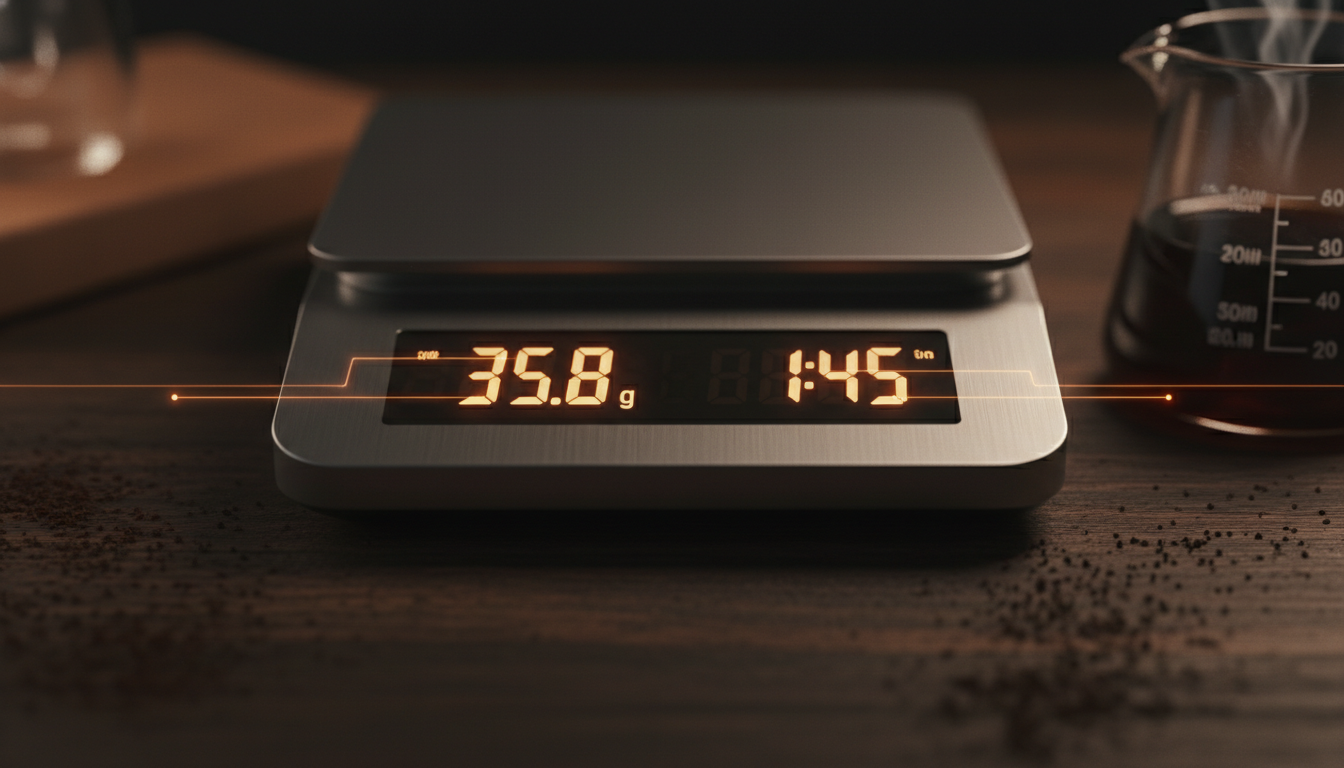
3. Measure Yield
Weigh the output (typically 36-40g for 18g dose, 1:2 ratio). Adjust dose or grind if yield is off.
4. Taste the Shot
Sour/thin = under-extraction (grind finer). Bitter/harsh = over-extraction (grind coarser). Balanced = dialed in.
5. Iterate
Make small grind adjustments (quarter turns on grinder). Pull 2-3 shots per adjustment to confirm changes.
6. Lock In Settings
Once dialed in, record grind setting, dose, yield, and time. Use these as baseline for future shots.
Espresso Dial-In Chart: Target Ranges
| Shot Time | Yield (g) | Extraction % | Action |
|---|---|---|---|
| Less than 20 seconds | More than 40g | Under 18% | Grind finer |
| 25-30 seconds | 36-40g | 18-22% | Ideal range |
| More than 35 seconds | Less than 30g | Over 22% | Grind coarser |
Troubleshooting Common Dial-In Problems
Shot runs too fast (under 20 seconds)
Cause: Grind too coarse, insufficient dose, or uneven distribution
Solution: Grind finer, increase dose to 20g, or use WDT for distribution
Shot runs too slow (over 35 seconds)
Cause: Grind too fine, excessive dose, or over-tamping
Solution: Grind coarser, reduce dose to 17g, or use lighter tamping pressure
Shot tastes sour/thin
Cause: Under-extraction from fast flow
Solution: Grind finer, increase dose, or extend brew time
Shot tastes bitter/harsh
Cause: Over-extraction from slow flow
Solution: Grind coarser, reduce dose, or reduce brew time
Inconsistent shots
Cause: Variable tamping pressure or grind inconsistency
Solution: Use calibrated tamper, consistent technique, or burr grinder
Frequently Asked Questions
What is the ideal espresso extraction time?
25-30 seconds from first water contact to last drop. This timeframe allows optimal extraction (18-22% yield) without over or under-extraction.
What yield should I target?
1:2 ratio (18g coffee to 36g output) is standard. Some prefer 1:2.5 (18g to 45g) for longer shots. Adjust based on taste preference.
How many shots should I pull during dialing in?
Pull 2-3 shots per grind adjustment to confirm changes. This uses more coffee but ensures consistent results.
Should I adjust dose or grind?
Grind adjustment is primary. Dose adjustment is secondary. Most dialing in happens through grind changes.
Final Verdict: Time Investment in Dial-In
Espresso dial-in requires 1-2 hours of focused practice and 20-30 test shots. This investment pays dividends through consistent, delicious espresso for months. Once dialed in, you only need to re-dial when changing coffee beans or espresso machine settings.
Baristas who master dial-in report 40-50% improvement in shot consistency and 30-40% reduction in wasted shots. The technique is fundamental to espresso excellence and worth the initial time investment.