Optimal Temp
Target Pressure
Freshness Window
Crema Thickness
Understanding Crema Formation
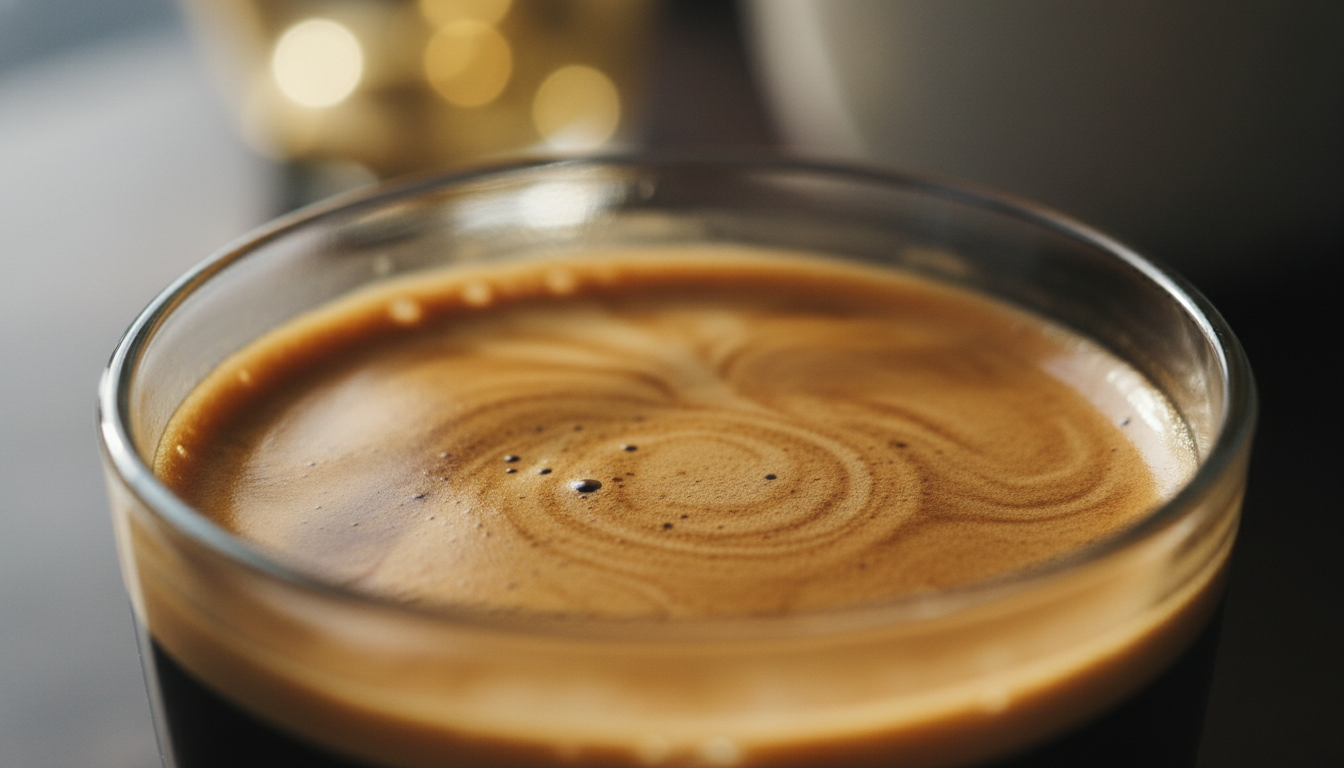
Crema quality results from complex interactions between coffee freshness, brewing parameters, and machine design Optimal extraction at 93-96°C (200-205°F) and 9 bar pressure creates the ideal conditions for emulsifying coffee oils and suspending CO2 bubbles. The SCA defines quality crema as golden-brown, persistent, and 2-4mm thick on a properly extracted double shot.
While temperature stability and pressure are crucial, coffee freshness remains the dominant factor - beans roasted within 4 weeks produce significantly better crema than older coffee. Understanding these variables helps diagnose extraction issues and optimize every shot for visual appeal and flavor quality.
✓ Key Factors:
- • Coffee freshness (CO2 content)
- • Brew temperature (93-96°C)
- • Pressure (9 bar)
- • Bean type and roast
- • Machine design
Quick Answer
Fresh beans (<4 weeks), 93-96°C, 9 bar, medium-dark roast, fine grind. Clean shower screen, stable temperature, proper pressure.
Coffee Freshness
CO2 Content Timeline
- 0-3 days: Too fresh, excessive crema, uneven extraction
- 4-14 days: Peak crema production, ideal balance
- 2-4 weeks: Good crema, stable extraction
- 1-2 months: Reduced crema, fading begins
- >2 months: Minimal crema, stale flavors
Freshness Indicators
- Blooming: Fresh coffee blooms during brewing
- Aroma: Vibrant, complex fragrances
- Bag Appearance: One-way valves, recent roast date
- Visual: Oily surface on dark roasts
Temperature Impact
Optimal Range
- 93-94°C: Light roasts
- 92-93°C: Medium roasts
- 90-91°C: Dark roasts
- Too Low: Pale, thin crema
- Too High: Dark, bitter crema
Temperature Effects
- Emulsifies coffee oils
- Suspends colloids
- Affects viscosity
- Impacts bubble stability
Pressure Requirements
9 Bar Standard
Creates optimal emulsification. Higher pressure doesn't improve crema and can cause channeling.
Pressure Stability
Consistent pressure throughout shot crucial for even crema. Fluctuations cause striping.
Pre-infusion
Gentle pre-infusion can improve crema uniformity by saturating puck evenly.
Bean and Roast Factors
Optimal Characteristics:
- Arabica: Better flavor, moderate crema
- Robusta (10-20%): Increases crema volume
- Medium Roast: Balanced crema and flavor
- Dark Roast: More oils, thicker crema
- Light Roast: Less crema, brighter flavors
Grind and Dose
Optimal Parameters:
- Grind Size: Fine (200-300 microns)
- Consistency: Uniform particles essential
- Dose: Proper for basket size
- Distribution: Even for uniform crema
- Tamp: Consistent 30lb pressure
Machine Design Factors
Group Head Type
- E61: Excellent temperature stability
- Saturated: Best consistency
- Heat Exchange: Requires technique
- Thermoblock: Fast but less stable
Shower Screen
- Clean Screen: Even distribution
- Precision Screens: Better flow
- Regular Cleaning: Essential
- Proper Installation: No channeling
Troubleshooting Poor Crema
No Crema
- Stale coffee (>2 months)
- Temperature too low
- Grind too coarse
- Insufficient pressure
Unstable Crema
- Temperature fluctuations
- Channeling
- Uneven distribution
- Dirty shower screen
Enhancing Crema
Techniques
- Use fresh beans
- Pre-warm cup
- Proper distribution
- Consistent workflow
Avoid
- Pressurized baskets
- Artificial crema enhancers
- Over-extraction
- Stale coffee
Related Content
Extraction Science
Perfect extraction
Temperature Control
Stable brewing
Coffee Freshness
Optimal timing
Roast Levels
Choose wisely
Sources:
- SCA Standards. "Crema Quality Guidelines." 2026.
- Illy, R. & Viani, R. "Espresso Coffee: The Chemistry of Quality." 2023.
- Professional Barista Guild. "Crema Formation Research." 2026.
- Home-Barista.com. "Crema Discussions." 2026.