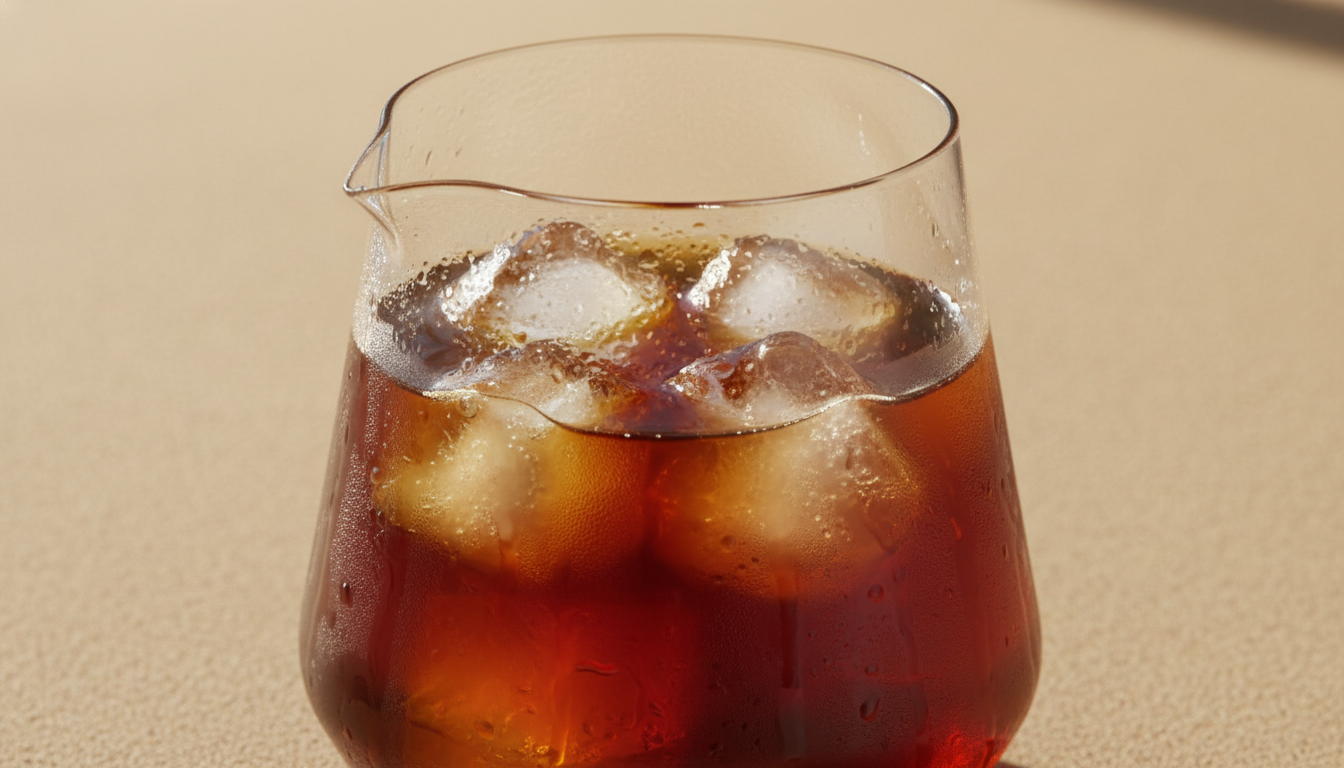
Temp Drop Cold Cup
Warmer Surface Temp
Brew Temp Range
Optimal Serving
Understanding Cup Warming
Cup warming significantly impacts espresso temperature retention and crema stability. Research shows pouring espresso into a cold cup can cause an immediate 10°C (18°F) temperature drop, affecting both flavor perception and crema longevity [Gustatory, 2026]. While extraction happens at 91-96°C (195-205°F), the in-cup temperature determines how the consumer experiences those carefully crafted flavors.
Most espresso machines include passive cup warming trays that use waste heat from boilers, typically reaching surface temperatures around 65°C (149°F) [Home-Barista, 2026]. Active electric warmers can achieve higher temperatures but may not be necessary for all users. Understanding when cup warming matters most helps optimize your workflow and equipment choices.
✓ Temperature Impact:
- • 10°C drop in cold cups
- • Better crema stability
- • Preserves aromatic compounds
- • Reduces need for microwaving
- • Essential for milk drinks
Quick Answer
Cup warmers are worth it for serving multiple drinks or in cold environments. For single shots, hot water rinse works equally well. Aim for cups at 50-65°C (122-149°F) before brewing.
Temperature Physics
Heat Transfer Basics
How heat moves from coffee to cup
- Conduction: Direct contact transfers heat rapidly
- Cold Cup Effect: 10°C (18°F) immediate drop
- Thermal Mass: Ceramic absorbs significant heat
- Ambient Loss: Additional cooling in room air
- Equilibrium: Coffee and cup equalize quickly
Crema Stability
- Temperature Shock: Cold cups collapse crema faster
- Gas Retention: Warm cups preserve CO2 bubbles
- Visual Appeal: Better crema presentation
- Aroma: Volatile compounds preserved longer
Warming Methods Compared
Passive Tray
- Uses boiler waste heat
- Reaches 50-65°C (122-149°F)
- No extra energy cost
- Standard on most machines
- Best for continuous use
Active Electric
- Independent heating element
- Can reach 70°C+ (158°F+)
- Faster warm-up
- Higher energy use
- Good for cold environments
Hot Water Rinse
- Quick and effective
- Reaches 80-90°C (176-194°F)
- No special equipment
- Must time carefully
- Best for single drinks
When Cup Warmers Matter Most
Essential For:
Cafes serving multiple drinks continuously, cold kitchens, milk-based drinks that need temperature stability, professional presentation standards.
Optional For:
Home users drinking straight espresso, warm environments, single shot preparation, quick workflow needs.
Not Critical For:
Iced drinks, cold brew, travel setups, budget constraints, minimal counter space.
Optimal Temperature Guidelines
Target Temperatures:
- Pre-warmed Cup: 50-65°C (122-149°F)
- Too Hot: >70°C (158°F) - uncomfortable to hold
- Too Cool: <40°C (104°F) - significant heat loss
- Hot Water Rinse: 80-90°C (176-194°F) for 30 seconds
- Passive Tray: 2-5 minutes for full warming
Impact on Different Drinks
By Drink Type:
- Espresso: Maintains crema, preserves aromatics
- Americano: Prevents rapid cooling of larger volume
- Cappuccino: Keeps microfoam from separating
- Latte: Maintains temperature balance with milk
- Macchiato: Preserves temperature contrast
Energy Efficiency Considerations
Passive Benefits:
- Zero extra energy consumption
- Uses waste heat efficiently
- Always available when machine on
- No moving parts to fail
- Environmentally friendly
Active Drawbacks:
- 50-100W continuous draw
- Adds to electricity bill
- Additional heat in kitchen
- Potential failure point
- May exceed needs
Related Content
Temperature Stability
Understanding temperature control
Extraction Guide
Perfect extraction techniques
Machines with Warmers
Best options with warming
Crema Enhancement
Improve your crema
Sources:
- Gustatory. "Pre-warming Your Coffee Cup - But Why?" 2026.
- Home-Barista. "How Warm Do You Like Your Espresso Cups?" 2026.
- National Coffee Association. "Coffee Serving Temperatures." 2026.
- Nespresso. "How to Make Coffee Hot and Keep It That Way." 2026.