mL/s Target
Shot Time
Brew Ratio
Flow Variance
Understanding Flow Rate
Flow rate optimization is crucial for consistent espresso extraction, with target ranges of 2-2.5 mL/s at the puck for standard double shots Extraction quality depends heavily on maintaining proper flow - too fast causes under-extraction and sour flavors, while too slow leads to over-extraction and bitterness. The flow rate directly impacts contact time between water and coffee, determining solubility extraction efficiency.
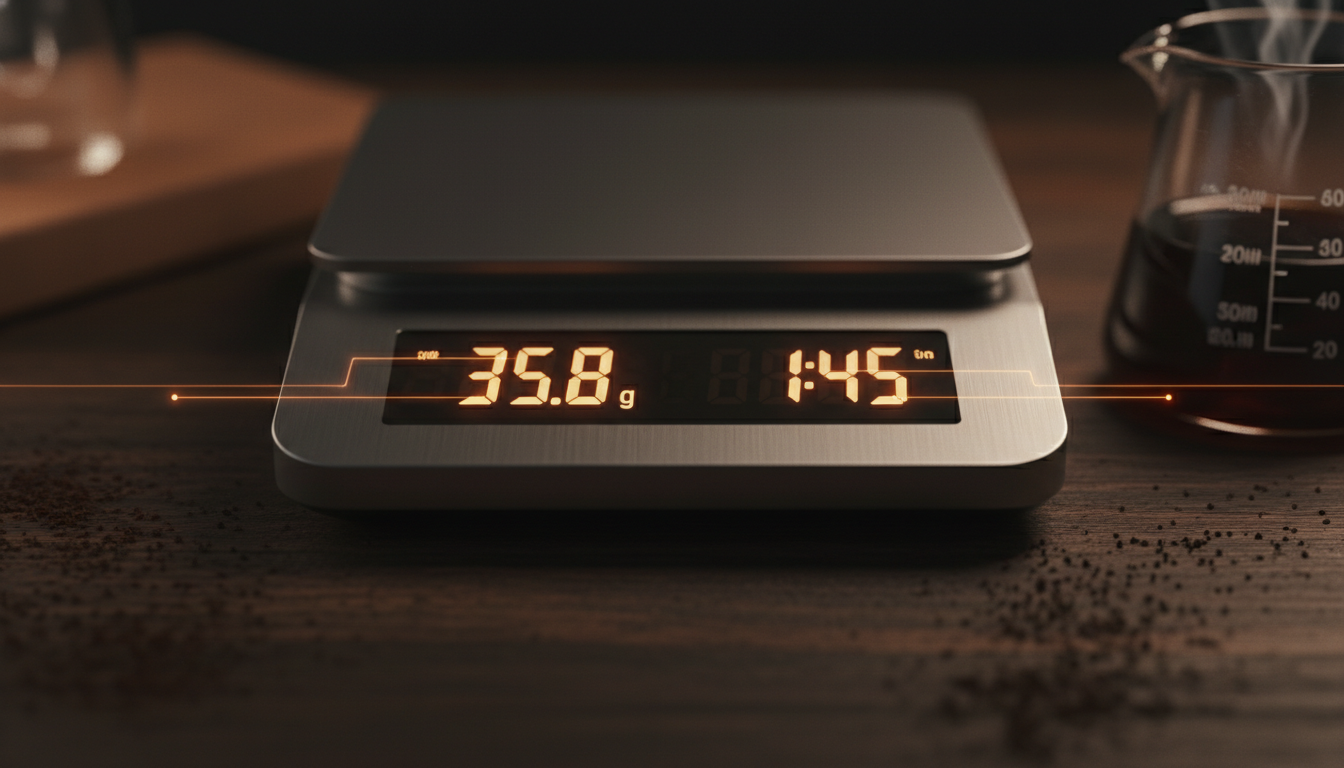
Measuring flow rate requires tracking output over time, typically using a scale and timer to achieve the desired 1:2 brew ratio in 25-30 seconds Pressure and grind adjustments work together to optimize flow. Modern machines with flow meters provide real-time data, but traditional methods using scales and timers remain effective for all users.
✓ Flow Impact:
- • Extraction balance
- • Shot consistency
- • Flavor clarity
- • Crema quality
- • Body texture
Quick Answer
Target 2-2.5mL/s for 1:2 ratio in 25-30s. Measure with scale/timer. Adjust grind first, then dose, then tamp. Finer = slower, coarser = faster.
Target Flow Rates
Standard Espresso
Traditional double shot parameters
- Flow Rate: 2-2.5 mL/s
- Shot Time: 25-30 seconds
- Brew Ratio: 1:2 (18g in, 36g out)
- Pressure: 9 bar
Ristretto
Restricted shot parameters
- Flow Rate: 1-1.5 mL/s
- Shot Time: 20-25 seconds
- Brew Ratio: 1:1.5 (18g in, 27g out)
- Pressure: 9 bar
Lungo
Long shot parameters
- Flow Rate: 2.5-3 mL/s
- Shot Time: 35-45 seconds
- Brew Ratio: 1:3 (18g in, 54g out)
- Pressure: 9 bar
Measurement Methods
Basic Method
- Place cup on scale
- Tare to zero
- Start shot and timer
- Record weight at 25s
- Calculate flow rate
Advanced Method
- Use flow meter if available
- Track real-time flow
- Record flow profile
- Analyze curve shape
- Adjust based on data
Adjustment Techniques
Grind Size
Primary adjustment - finer slows flow, coarser speeds up. Make small adjustments and test.
Dose Amount
Higher dose increases resistance, slower flow. Lower dose reduces resistance, faster flow.
Tamping Pressure
Consistent 30lb pressure. Too hard = slower, too light = faster. Focus on consistency.
Machine Pressure
Adjust OPV if needed. 9 bar standard. Higher pressure = faster flow, but affects extraction.
Flow Profiling
Advanced Techniques:
- Pre-infusion: Low pressure start, reduces channeling
- Flow Decline: Reduce flow mid-shot for sweetness
- Pressure Profiling: Vary pressure throughout shot
- Slamming: Sudden pressure increase for body
- Equipment Needed: Flow control devices or DE1 machine
Troubleshooting Flow
Common Problems:
- Too Fast (>3mL/s): Grind too coarse, dose too low, channeling, worn burrs
- Too Slow (<1.5mL/s): Grind too fine, dose too high, over-tamping, stale coffee
- Inconsistent: Uneven distribution, poor technique, machine issues
- Sudden Changes: Grinder adjustment needed, fresh beans required
Equipment for Flow Control
Flow Control Devices
- E61 flow control kits
- DE1 DE1PRO programmable
- Slayer paddle mechanism
- Lelit Bianca flow control
Measurement Tools
- Precision scales (0.1g)
- Shot timers
- Flow meters
- Pressure gauges
Best Practices
Daily Routine
- Consistent workflow
- Record shot parameters
- Adjust based on taste
- Clean equipment
Weekly Tasks
- Analyze flow trends
- Calibrate grinder
- Check machine pressure
- Review shot data
Related Content
Extraction Science
Perfect extraction
Pressure Adjustment
OPV tuning
Advanced Profiling
Flow control
Flow Control Machines
Equipment options
Sources:
- SCA Standards. "Flow Rate Guidelines." 2026.
- Professional Barista Guild. "Extraction Parameters." 2026.
- Decent Espresso. "Flow Profiling Research." 2026.
- Home-Barista.com. "Flow Rate Discussions." 2026.