Gaggia Classic Pro Setup Guide for First-Time Owners
Complete walkthrough for unboxing, first shot preparation, and mastering the Gaggia Classic Pro espresso machine
Quick Answer
The Gaggia Classic Pro requires proper water filling, heating to brewing temperature, understanding the 3-way solenoid valve operation, and starting with the pressurized basket before progressing to non-pressurized brewing. The steam boiler and temperature surfing technique enable quality milk texturing. Regular maintenance ensures longevity.
Gaggia Classic Pro: Machine Overview
Primary Entity: Gaggia Classic Pro Espresso Machine
Definition: The Gaggia Classic Pro is a semi-automatic espresso machine featuring a single boiler system, 58mm portafilter, commercial 3-way solenoid valve, and steam wand for home espresso preparation.
Entity Taxonomy:
Gaggia Classic Pro Components
- ├─ Single Aluminum Boiler (100ml capacity)
- ├─ 58mm Commercial Portafilter
- ├─ 3-Way Solenoid Valve
- ├─ Steam Wand (Commercial Style)
- ├─ Water Reservoir (2.1L capacity)
- ├─ OPV (Over Pressure Valve) - 9-12 bar
- └─ Drip Tray & Grate
Gaggia Classic Pro Specifications Matrix
| Component | Specification | Function |
|---|---|---|
| Boiler | 100ml aluminum, 1300W | Heats water for brewing and steaming |
| Portafilter | 58mm, chrome-plated brass | Holds coffee grounds during extraction |
| 3-Way Solenoid | Commercial-grade valve | Releases pressure post-extraction |
| OPV | Adjustable 9-12 bar | Limits maximum brew pressure |
| Water Tank | 2.1L removable reservoir | Stores brewing water |
Unboxing and Initial Inspection
Package Contents Checklist
- 1. Gaggia Classic Pro Unit: Main espresso machine body with drip tray installed
- 2. Portafilter: 58mm chrome-plated brass portafilter with commercial handle
- 3. Filter Baskets: Pressurized single, pressurized double, non-pressurized single, non-pressurized double
- 4. Tamper: Plastic tamper (upgrade recommended)
- 5. Steam Wand Panarello: Attachment for automatic milk frothing
- 6. Water Reservoir: Removable 2.1L tank (may be inside machine)
- 7. Instruction Manual: User guide and warranty documentation
Initial Inspection Steps
Inspect the Gaggia Classic Pro exterior for shipping damage. Check all panel seams, the portafilter holder, and the steam wand for alignment. Verify the drip tray slides smoothly in and out. Examine the water reservoir for cracks or manufacturing defects. Remove any protective plastic film from the machine surfaces and portafilter spouts.
Locate the power switch positions: 0 (off), I (brew mode), and II (steam mode). The brew switch activates the pump and opens the 3-way solenoid valve. The steam switch activates boiler heating for steam generation. Familiarize yourself with these controls before filling the machine with water.
Water Fill and Heating Procedure
Water Filling Steps
- 1. Remove Reservoir: Slide out the water tank from the rear of the Gaggia Classic Pro
- 2. Fill with Water: Use filtered or bottled water (avoid distilled—minerals required for sensors)
- 3. Install Reservoir: Slide the filled tank back into the machine until fully seated
- 4. Prime the Pump: Turn power to position I, press brew button briefly until water flows
- 5. Heat to Temperature: Allow 5-7 minutes for the boiler to reach brewing temperature
Water Quality Requirements
The Gaggia Classic Pro performs optimally with moderately hard water containing 50-150 ppm total dissolved solids. Distilled water causes the low-water sensor to malfunction. Reverse osmosis water requires remineralization. Use bottled spring water or filtered tap water meeting the mineral content specifications.
Heating Indicator System
The Gaggia Classic Pro features two heating indicator lights. The main power light illuminates when the machine receives electricity. The boiler heating light turns on when the heating element activates and turns off when the boiler reaches target temperature. Wait for the heating light to cycle off before the first extraction—this indicates the boiler has reached approximately 200°F (93°C).
Understanding the 3-Way Solenoid Valve
3-Way Solenoid Function
3-Way Solenoid Valve: An electromechanical valve that controls three flow paths—pump pressure to the group head during brewing, pressure release to the drip tray after brewing, and blocking backflow when inactive.
Operational States
- 1. Brewing State: Solenoid opens pump-to-group path; water flows through coffee puck
- 2. Extraction Complete: Solenoid closes pump path, opens pressure-release path
- 3. Inactive State: All paths closed; prevents boiler water migration
Why the 3-Way Solenoid Matters
The commercial 3-way solenoid valve distinguishes the Gaggia Classic Pro from entry-level machines lacking this component. After each extraction, the solenoid releases built-up pressure through the valve rather than through the coffee puck. This dry puck ejection system enables easy knock-out of spent coffee grounds. The solenoid also prevents portafilter sneezing (sudden pressure release when removing the portafilter).
The pressure release produces a characteristic sound—a brief gurgling noise from the valve area after stopping the brew switch. This sound indicates normal operation. Absence of this sound suggests solenoid malfunction requiring service.
First Shot with Pressurized Basket
Pressurized Basket Purpose
Pressurized Basket: A filter basket with a single small exit hole that creates backpressure mechanically, enabling crema production with pre-ground coffee or inconsistent grind sizes.
First Shot Procedure
- 1. Insert Basket: Place the double pressurized basket into the portafilter
- 2. Dose Coffee: Add 12-14g pre-ground espresso coffee to the basket
- 3. Level Grounds: Distribute coffee evenly with finger; light tamp with included tamper
- 4. Lock Portafilter: Insert into group head and rotate firmly to the right
- 5. Position Cup: Place warmed cup under portafilter spouts
- 6. Extract: Press brew button; aim for 25-30 seconds for 2oz output
What to Expect
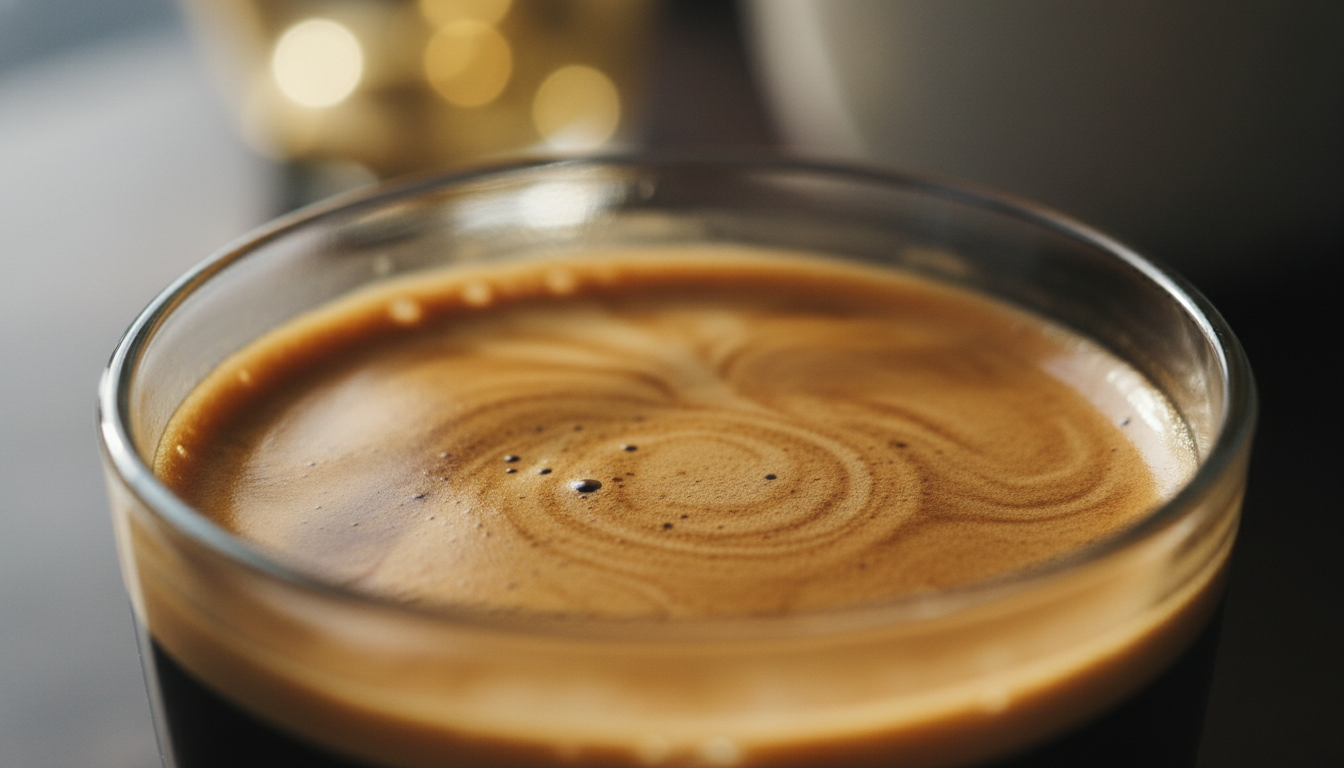
The first shot from the Gaggia Classic Pro using a pressurized basket produces espresso with visible crema regardless of grind quality. The pressurized system compensates for inconsistent particle size. Expect extraction to start slowly, then flow steadily. The resulting espresso tastes acceptable with pre-ground coffee, though lacking the complexity of freshly ground beans.
Troubleshooting First Shot Issues
| Symptom | Cause | Solution |
|---|---|---|
| No water flow | Airlock in pump | Run pump with portafilter removed until water flows |
| Excessive steam | Insufficient water in boiler | Refill reservoir; prime pump again |
| Very fast flow | Coffee too coarse or insufficient dose | Increase coffee amount; check basket seating |
| No crema | Stale coffee or wrong basket | Use fresher coffee; verify pressurized basket installed |
Switching to Non-Pressurized Basket
Non-Pressurized Basket Characteristics
Non-Pressurized Basket: A filter basket with multiple small holes (585 holes in standard double) requiring proper grind size and tamping pressure to create extraction resistance.
When to Switch
Transition to the non-pressurized basket after obtaining a burr grinder capable of espresso-fine grinding. The non-pressurized system requires consistent particle size distribution. Attempting non-pressurized extraction with pre-ground coffee produces thin, watery espresso lacking crema.
Non-Pressurized Extraction Technique
Grind 18g of coffee to a fine consistency resembling table salt. Distribute grounds evenly in the non-pressurized double basket using a distribution tool or finger. Apply 30 pounds of tamping pressure with a level, straight-down motion. Lock the portafilter into the Gaggia Classic Pro group head immediately to prevent heat loss.
Start extraction and aim for 2oz (60ml) output in 25-30 seconds from first drip. Adjust grind size coarser if extraction completes faster; adjust finer if extraction exceeds 30 seconds. The non-pressurized basket reveals grind quality—proper grinding produces rich, thick crema and complex flavor; improper grinding produces channeling, spurting, or blonding (pale, thin flow).
Temperature Surfing Basics
Why Temperature Surfing Matters
Temperature Surfing: A technique for managing brew temperature on single-boiler espresso machines by timing extraction around heating element cycles.
Temperature Dynamics
The Gaggia Classic Pro boiler heats to approximately 205°F (96°C) before the thermostat cuts power. Temperature then drops to approximately 195°F (90°C) before reheating begins. Brewing at different points in this cycle produces different extraction temperatures affecting flavor.
Basic Temperature Surfing Technique
- 1. Heat Machine: Turn on the Gaggia Classic Pro and wait for initial heating light cycle
- 2. Prepare Coffee: Grind, dose, and tamp while machine maintains temperature
- 3. Flush: Run 2-3 seconds of water through the group head to cool slightly
- 4. Lock and Extract: Immediately lock portafilter and start brewing
- 5. Timing: Extract within 10 seconds of flushing for optimal temperature
Temperature Effects on Flavor
| Brew Temperature | Flavor Effect | Best For |
|---|---|---|
| 195-198°F (90-92°C) | Bright acidity, lighter body | Light roasts, African coffees |
| 199-202°F (93-94°C) | Balanced acidity and sweetness | Medium roasts, espresso blends |
| 203-205°F (95-96°C) | Full body, reduced acidity | Dark roasts, Italian-style blends |
Steaming Technique
Steam Mode Activation
- 1. Prepare Milk: Fill pitcher with cold milk (whole milk froths easiest)
- 2. Activate Steam: Turn power switch to position II (steam mode)
- 3. Wait: Allow 30-60 seconds for steam boiler to reach temperature
- 4. Purge Wand: Briefly open steam valve to release condensation
- 5. Position Wand: Insert wand tip just below milk surface at pitcher edge
Milk Texturing Technique
Position the steam wand tip at a 15-degree angle near the pitcher wall, just below the milk surface. Open the steam valve fully. The Gaggia Classic Pro steam wand produces a vortex circulating milk. Lower the pitcher slowly to maintain the tip position as milk expands. Maintain this position for 3-5 seconds to create microfoam.
Submerge the wand tip slightly deeper to heat the milk without adding more air. Continue until the pitcher feels uncomfortably hot (approximately 150-155°F or 65-68°C). Close the steam valve before removing the wand. Tap the pitcher firmly on the counter to break large bubbles, then swirl to integrate foam. Wipe the steam wand immediately with a damp cloth.
Post-Steaming Procedure
After steaming milk, return the Gaggia Classic Pro power switch to position I (brew mode). Run water through the group head to refill the boiler and cool it to brewing temperature. Failure to refill the boiler after steaming risks boiler damage and dry heating elements. Wait for the heating light to cycle before brewing espresso again.
Maintenance Introduction
Daily Maintenance
- • Backflush: Run water through the group head after final extraction
- • Wipe Steam Wand: Clean immediately after each steaming session
- • Empty Drip Tray: Remove and rinse daily
- • Clean Portafilter: Rinse basket and spouts under hot water
Weekly Maintenance
Remove and clean the shower screen from the group head using a short screwdriver. Soak the screen and portafilter basket in espresso machine detergent (PuroCaf or Cafiza) following manufacturer dilution instructions. Scrub the group head gasket area with a group head brush to remove coffee oils and residue.
Descaling Schedule
Descale the Gaggia Classic Pro every 2-3 months depending on water hardness and usage frequency. Use Gaggia-branded descaling solution or food-safe citric acid following the manufacturer's procedure. The descaling process runs solution through the boiler, group head, and steam wand to remove calcium deposits. Rinse thoroughly with fresh water afterward—multiple tank refills and pump cycles ensure no descaling solution remains.
Long-Term Care
Replace the group head gasket annually or when the portafilter requires excessive force to seal. Inspect the shower screen for blockage monthly—replace when water flow becomes uneven. Check the steam wand o-rings for leaks. Store the Gaggia Classic Pro in a dry environment if unused for extended periods. Regular maintenance extends machine lifespan beyond 10 years of reliable operation.
Quick Reference: Gaggia Classic Pro Settings
| Parameter | Pressurized Basket | Non-Pressurized |
|---|---|---|
| Dose (Double) | 12-14g | 18g |
| Grind Requirement | Any (pre-ground acceptable) | Espresso-fine, consistent |
| Tamp Pressure | Light (5-10 lbs) | Firm (30 lbs) |
| Target Output | 2oz (60ml) in 25-30s | 2oz (60ml) in 25-30s |
| Crema Quality | Good (mechanically enhanced) | Excellent (fresh coffee dependent) |
Related Content & Deep Dives
Espresso Extraction Science & Dialing In
Master extraction variables including dose, yield, time, and grind size for optimal espresso with the Gaggia Classic Pro.
Milk Frothing and Latte Art Guide
Develop advanced steaming techniques for microfoam quality and latte art pouring with your Gaggia Classic Pro steam wand.
Coffee Grinder Buying Guide
Select the right burr grinder for non-pressurized basket extraction and consistent espresso grinding.
Espresso Machine Maintenance Guide
Detailed maintenance procedures including backflushing, descaling, and gasket replacement for longevity.
Frequently Asked Questions
How long should I wait before the first espresso shot?
Allow the Gaggia Classic Pro 5-7 minutes to heat from a cold start. The heating light turns off when the boiler reaches temperature. For maximum temperature stability, wait for one heating cycle completion before the first extraction.
Can I use pre-ground coffee with the Gaggia Classic Pro?
Yes—use the pressurized basket included with the machine. The pressurized system creates necessary backpressure for crema production with pre-ground coffee. However, freshly ground coffee in a non-pressurized basket produces superior flavor and body.
Why does my steam wand splatter water before steam?
The splattering occurs from condensation in the steam wand pipe. Always purge the wand for 2-3 seconds before inserting into milk. This removes residual water and delivers dry steam for proper texturing.
How often should I descale my Gaggia Classic Pro?
Descale every 2-3 months with regular use (1-2 shots daily). Increase frequency to monthly if you have hard water (>150 ppm) or use the steam function heavily. Use only food-safe descaling solutions designed for espresso machines.
What does the 3-way solenoid valve sound indicate?
A brief gurgling sound from the valve area after stopping extraction indicates normal operation—the solenoid releasing pressure into the drip tray. Absence of this sound suggests valve malfunction. Loud continuous noise during brewing may indicate blockage requiring cleaning.
Conclusion: Mastering Your Gaggia Classic Pro
The Gaggia Classic Pro rewards proper setup and technique with café-quality espresso at home. Begin with the pressurized basket to learn machine operation while using pre-ground coffee or inconsistent grinds. Progress to the non-pressurized basket after obtaining a quality burr grinder capable of espresso-fine consistency.
Understanding the 3-way solenoid valve operation explains the dry puck ejection system that simplifies cleanup. Temperature surfing techniques extract optimal flavor from different roast levels. Proper steaming technique transforms milk into silky microfoam for cappuccinos and lattes. Regular maintenance—daily cleaning, weekly deep cleaning, and periodic descaling—ensures the Gaggia Classic Pro operates reliably for years.
The Gaggia Classic Pro represents an ideal entry point into serious home espresso. The commercial-grade components withstand daily use while the single-boiler design maintains simplicity. With the setup procedures covered in this guide, the Gaggia Classic Pro produces espresso rivaling machines costing three times the price. Consistent practice with these techniques develops the skills for exceptional home espresso extraction.