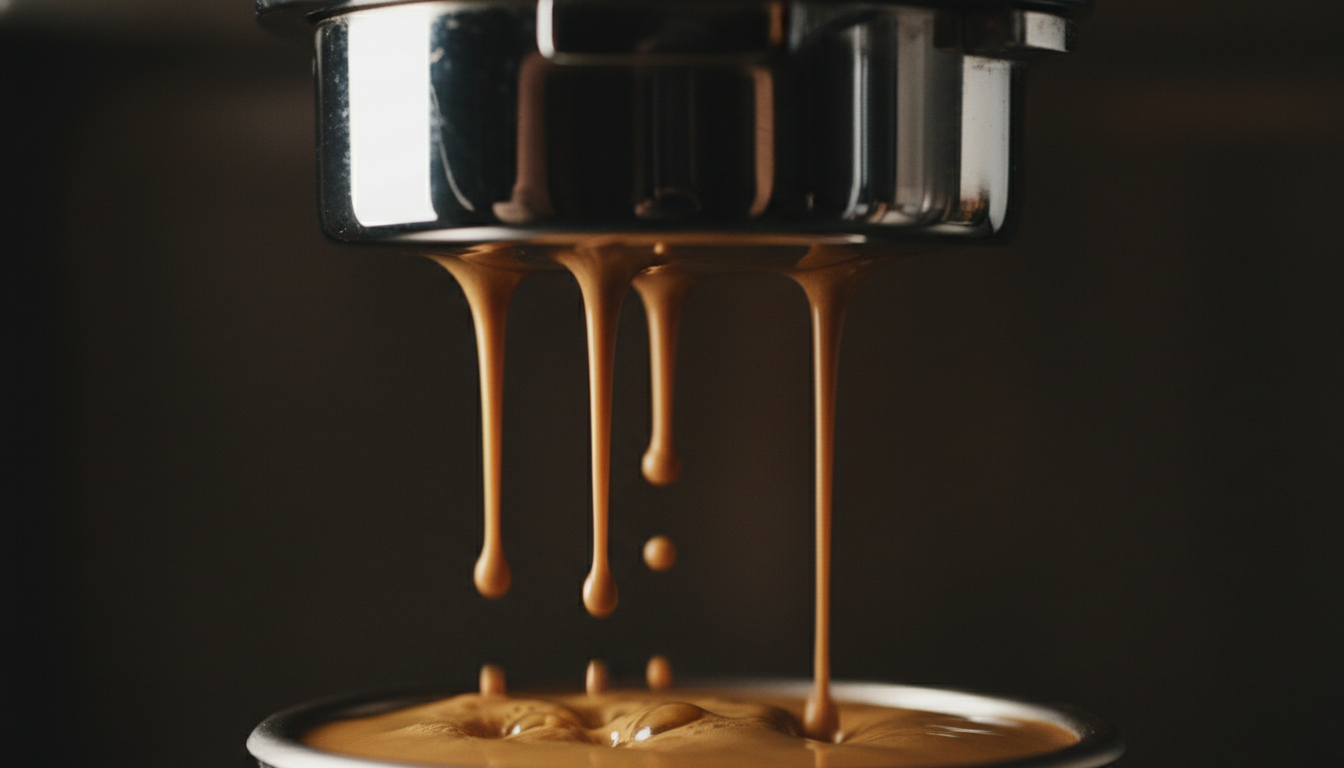
Close-up of espresso extraction through a naked portafilter showing rich crema
Equipment Guide

Pressurized vs Non-Pressurized Portafilter Baskets Explained

Understand the mechanical differences, quality trade-offs, and which basket type is right for your espresso journey.

2

Main Basket Types

$15-30

Non-Pressurized Cost

$150+

Minimum Grinder Investment

1-2

Weeks Learning Curve

Quick Answer

Pressurized baskets use a double-wall system to create artificial pressure, making them forgiving of grind inconsistencies. Non-pressurized baskets require precise grind and tamping but produce authentic espresso with better crema and flavor complexity.

Why Basket Type Matters

The portafilter basket is one of the most overlooked components in espresso preparation, yet it fundamentally determines what's possible with your equipment. This small metal insert dictates extraction dynamics, crema quality, and ultimately how your espresso tastes.

Understanding the difference between pressurized and non-pressurized baskets helps you make informed decisions about when to upgrade, what equipment to invest in, and how to set realistic expectations for your home espresso setup.

✓ Key Takeaways:

  • • Pressurized baskets compensate for poor grind quality
  • • Non-pressurized baskets require quality grinders ($150+)
  • • Both have valid use cases depending on your goals
  • • Switching requires learning dialing-in techniques
  • • The grinder matters more than the machine

Core Definition: How Each Basket Works

The fundamental difference between these basket types lies in how they create the pressure necessary for espresso extraction. Understanding this mechanical distinction explains all other differences in performance and requirements.

Pressurized Baskets

Also called "double-wall" baskets, these use a two-layer design. The upper layer holds coffee grounds with normal holes, while the bottom layer has a single small exit hole that creates artificial backpressure.

The basket itself generates resistance, not the coffee puck. This means water builds pressure in the chamber between walls, then forces through the small exit hole, creating "crema" regardless of grind quality.

Non-Pressurized Baskets

Also called "single-wall" or "standard" baskets, these have hundreds of precisely sized holes (typically 0.3mm diameter) across a single layer of stainless steel.

The coffee puck itself creates resistance. Water flows directly through the evenly distributed, finely ground coffee bed. Proper extraction depends entirely on correct preparation: grind size, distribution, and tamping.

Pressurized Basket Explained

Pressurized baskets serve an important purpose in the espresso ecosystem. They're designed specifically to make espresso accessible to beginners and those without quality grinding equipment.

Double-Wall Design

The defining feature is the two-chamber construction. Grounds sit in the upper basket with standard perforations. Below this is a sealed chamber with a single exit hole (typically 0.8-1.0mm diameter). Water saturates the coffee, fills the lower chamber, and only escapes through the small hole—creating pressure mechanically rather than through coffee bed resistance.

This design means you can use coarse, uneven, or stale coffee and still produce something resembling espresso with foamy crema on top.

Flow Restriction Mechanics

The small exit hole acts as a flow restrictor. Even if your grind is too coarse or your tamp is uneven, the water cannot flow faster than the hole allows. This creates consistent shot timing regardless of preparation quality—typically 20-25 seconds with minimal variation. While this consistency is helpful for beginners, it masks the feedback loop necessary for learning proper technique.

The Forgiving Nature

Pressurized baskets forgive multiple sins of espresso preparation:

  • Inconsistent grind size: Blade grinders and poor-quality burr grinders produce uneven particles, but the basket compensates
  • Stale coffee: Pre-ground coffee that's lost CO2 can still produce foamy "crema" through mechanical aeration
  • Uneven tamping: Channeling is minimized because the basket controls flow, not the puck
  • Wrong dose: Slightly too much or too little coffee still produces drinkable shots

Non-Pressurized Basket Explained

Non-pressurized baskets represent the industry standard for quality espresso. They place full responsibility for extraction on the barista's preparation technique.

Single-Wall Construction

Standard baskets are precision-machined from a single layer of stainless steel with 300-600 holes (depending on size and brand). These holes are laser-cut or etched to exact specifications—typically 0.30mm diameter for espresso. The precision matters because any variation affects flow rate and extraction uniformity. Quality baskets from companies like IMS, VST, or Pullman are manufactured to tight tolerances for consistent performance.

Bottomless Extraction

When paired with a bottomless (naked) portafilter, single-wall baskets provide invaluable visual feedback:

  • Channeling: Jets or spurts indicate uneven extraction paths through the puck
  • Blonding: Early lightening of extraction color signals over-extraction beginning
  • Distribution issues: Uneven flow patterns reveal poor coffee bed preparation
  • Tamping problems: Asymmetric extraction indicates uneven tamp pressure

This diagnostic capability is impossible with pressurized baskets because the internal chamber hides all visual cues.

Skill Requirements

Successfully using non-pressurized baskets requires developing several skills simultaneously. You must grind fine enough to create proper resistance (typically 250-350 microns), distribute grounds evenly to prevent channeling, tamp level with consistent pressure (approximately 15-20kg), and recognize when adjustments are needed based on shot timing and visual cues. This learning curve typically takes 1-2 weeks of daily practice, with each variable requiring understanding and muscle memory.

Comparison Matrix

Side-by-side comparison of the key factors that differentiate these basket types.

Factor Pressurized Non-Pressurized Winner
Grind Requirement Forgiving - works with pre-ground, blade grinders, or inconsistent grinds Precise - requires quality burr grinder with consistent fine grind Pressurized for accessibility
Espresso Quality Decent extraction with artificial crema, limited flavor complexity Superior extraction, full flavor profile, authentic espresso characteristics Non-pressurized
Crema Production Thick, foamy crema created by mechanical restriction (artificial) Rich, silky crema from proper extraction of fresh oils (authentic) Non-pressurized
Learning Curve Minimal - consistent results with basic technique Steeper - requires dialing in grind, dose, and tamping skills Pressurized for beginners
Upgradability Low ceiling - limited improvement possible regardless of skill High ceiling - quality scales with technique and equipment Non-pressurized

When to Use Pressurized Baskets

Pressurized baskets aren't "worse"—they're designed for specific scenarios. Use them when these conditions apply to your situation.

Using Pre-Ground Coffee

Pre-ground coffee loses freshness quickly and lacks the consistency needed for non-pressurized baskets. The pressurized design compensates for stale, uneven grounds.

Beginner Learning Phase

Build confidence and learn basic machine operation without frustration. Focus on timing, milk steaming, and drink preparation before tackling dialing-in complexity.

Inconsistent Grinder

Entry-level blade grinders or low-quality burr grinders produce uneven particle sizes. Pressurized baskets mask these inconsistencies that would ruin shots in standard baskets.

Primarily Milk-Based Drinks

Lattes and cappuccinos mask espresso imperfections. Pressurized baskets produce acceptable shots that blend well with steamed milk.

When to Switch to Non-Pressurized

Recognizing the right time to upgrade helps ensure a smooth transition and prevents frustration from switching too early.

🎯 Dedicated Espresso Grinder

You own a quality espresso grinder ($150+) capable of producing consistent, fine grounds with minimal clumping. This is the essential prerequisite for switching.

🎯 Seeking Quality Improvement

You want to experience the full flavor potential of specialty coffee beans, with nuanced tasting notes and balanced extraction that pressurized baskets cannot achieve.

🎯 Ready to Learn

You're prepared to invest time learning dialing-in techniques, shot diagnosis, and the relationship between grind, dose, and extraction time.

🎯 Drinking Espresso Straight

You regularly drink espresso without milk, where quality differences are immediately apparent and worth the effort to achieve.

Switching Process: How to Transition

Moving from pressurized to non-pressurized baskets requires methodical preparation. Follow these steps for a successful transition.

1

Acquire Quality Grinder

Before switching, ensure you have an espresso-capable grinder. Budget options like 1Zpresso J-Max ($130) or Baratza Sette 270 ($300+) provide the consistency needed.

Read our guide →
2

Purchase Non-Pressurized Basket

Buy a single-wall basket matching your portafilter size (typically 51mm, 54mm, or 58mm). Quality options cost $15-30 from brands like IMS or VST.

3

Start with Known Beans

Use fresh, medium-roast espresso beans from a reputable roaster. Avoid dark roasts initially as they're more forgiving, and avoid very light roasts as they're harder to dial in.

4

Learn the Dialing-In Process

Start with a standard 18g dose in a double basket. Adjust grind size until you achieve 25-30 second extraction for a 36g yield. Expect to waste some coffee during learning.

Read our guide →
5

Master Distribution and Tamping

Use WDT (Weiss Distribution Technique) to break up clumps, ensure even bed level, then tamp with consistent pressure. A bottomless portafilter helps diagnose channeling issues.

6

Track and Adjust

Keep notes on grind settings, dose, yield, and taste. Learn to diagnose issues: sour means grind finer or increase yield; bitter means grind coarser or decrease yield.

Important Considerations

Grinder Quality is Non-Negotiable

Non-pressurized baskets absolutely require a grinder capable of espresso-fine, consistent grounds. Without this, you'll produce sour, under-extracted shots no matter how good your technique becomes.

📊 Expect Initial Frustration

Your first shots with non-pressurized baskets will likely be worse than your pressurized shots. This is normal. Budget time and coffee beans for the learning process.

🎯 Fresh Coffee is Essential

Non-pressurized baskets reveal stale coffee immediately. Use beans roasted within 2-4 weeks for best results. Pre-ground coffee simply won't work well.

🔧 Bottomless Portafilters Help

Consider investing in a bottomless portafilter when switching. The visual feedback accelerates learning dramatically by revealing channeling and distribution issues.

Ready to Upgrade Your Espresso?

Whether you're starting with pressurized baskets or ready to switch to non-pressurized, the key is understanding your equipment and setting realistic expectations for your espresso journey.

Find Your Perfect Grinder