How to Season New Espresso Grinder Burrs
Complete break-in guide for new coffee grinder burrs to achieve optimal grind consistency and performance
Quick Answer
Season new grinder burrs by grinding 5-10 pounds of inexpensive coffee through the full range of grind settings. This removes manufacturing residues, smooths microscopic burr imperfections, and establishes consistent cutting surfaces.
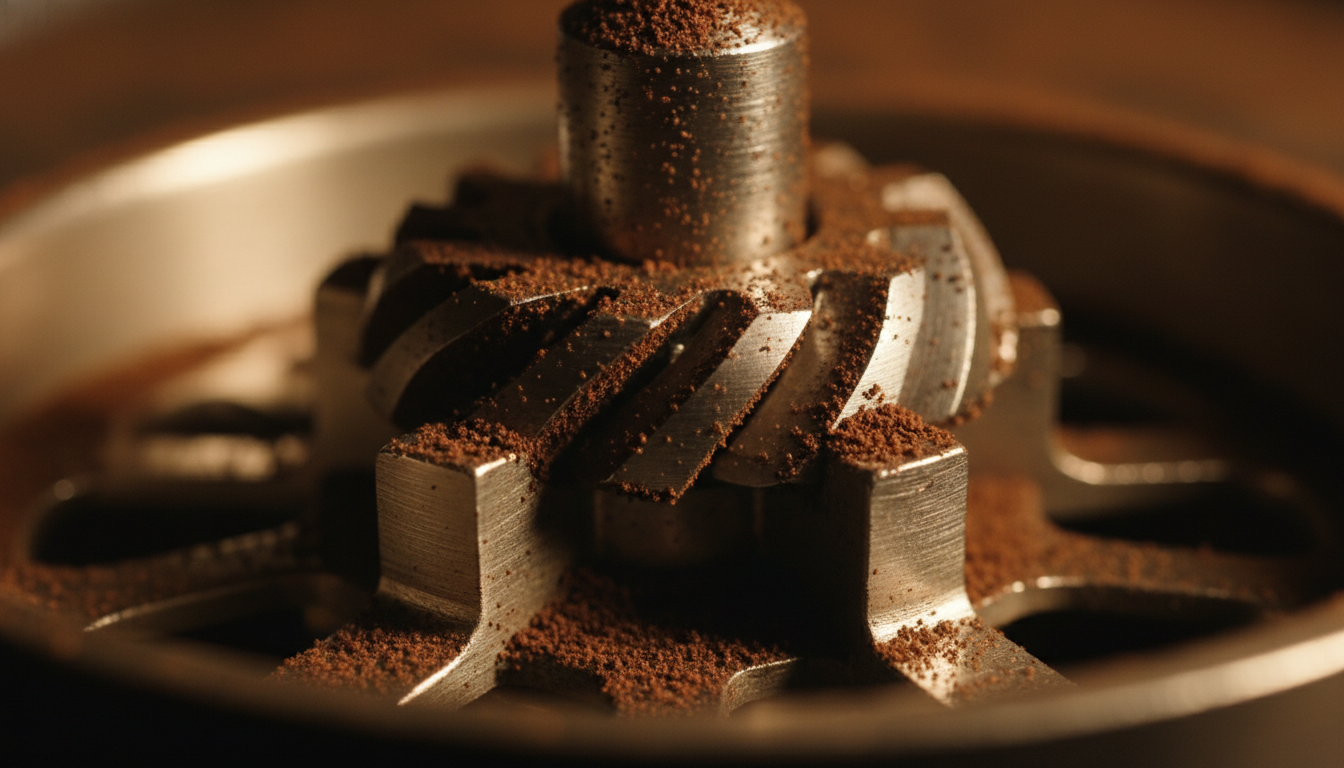
Grinder Burr Seasoning: Entity Definition
Primary Entity Definition
Burr Seasoning (Break-In): The process of running coffee through new grinder burrs to remove manufacturing residues, smooth microscopic cutting edge imperfections, and establish consistent particle size distribution before regular use.
Seasoning Objectives:
Residue Removal: Eliminate manufacturing oils, metal particles, and coatings
Surface Smoothing: Polish microscopic burr imperfections from machining
Edge Refinement: Establish consistent cutting angles across all burr teeth
Retention Coating: Develop thin oil layer that reduces static and retention
Why New Burrs Need Seasoning
Manufacturing processes leave microscopic imperfections on burr cutting surfaces. These tiny burrs and rough edges create inconsistent particle sizes during initial use. Seasoning polishes these surfaces through abrasion, establishing smooth, consistent cutting edges.
New burrs often produce more fines and inconsistent particle distribution compared to seasoned burrs. The break-in process helps burrs reach their designed particle distribution profile. Grind quality improves significantly after proper seasoning.
Manufacturing residues including machine oils, metal dust, and protective coatings contaminate coffee flavor during initial grinding. Seasoning flushes these contaminants before grinding coffee for consumption.
| Burr Condition | Grind Consistency | Fines Production | Flavor Impact |
|---|---|---|---|
| New (0 lbs) | Inconsistent | High | Metallic, off-flavors |
| Partial (2-5 lbs) | Improving | Moderate | Diminishing off-flavors |
| Seasoned (10+ lbs) | Consistent | Normal | Clean, intended flavor |
Step-by-Step Burr Seasoning Process
Step 1: Initial Cleaning
Remove the hopper and brush out any manufacturing debris from the burr chamber. Wipe exterior surfaces with a clean cloth. Inspect burrs for visible defects or damage before beginning.
Step 2: Select Inexpensive Coffee
Purchase 5-10 pounds of inexpensive, medium-roast coffee beans specifically for seasoning. Avoid dark oily roasts that create additional cleaning needs. Old, stale beans work fine for this purpose.
Step 3: Season at Coarse Settings (Pounds 1-3)
Set the grinder to coarse (French press) setting. Grind 2-3 pounds of coffee at this setting. Coarse grinding removes large manufacturing imperfections and initial residues. Discard all grounds.
Step 4: Season at Medium Settings (Pounds 3-6)
Adjust to medium (drip) setting. Grind another 2-3 pounds. Medium settings polish the mid-range burr surfaces where most grinding occurs. Continue discarding grounds.
Step 5: Season at Fine Settings (Pounds 6-10)
Adjust to fine (espresso) setting. Grind the remaining 3-4 pounds. Fine grinding polishes the critical espresso range surfaces and establishes proper fine particle cutting. Discard all grounds.
Step 6: Clean and Verify
Thoroughly clean the grinder using cleaning tablets or deep cleaning methods. Grind a small amount of fresh coffee and taste—seasoning is complete when no metallic or off-flavors remain.
How Much Coffee for Seasoning
The amount of coffee needed for seasoning varies by burr size, material, and manufacturing quality. Larger burrs require more seasoning. Higher-quality machined burrs may need less than cast burrs.
| Burr Size | Typical Application | Recommended Seasoning |
|---|---|---|
| 40-50mm (Small) | Entry-level home grinders | 5-7 pounds |
| 55-64mm (Medium) | Prosumer home grinders | 8-12 pounds |
| 75-83mm (Large) | Commercial grinders | 15-20 pounds |
Some manufacturers provide specific seasoning recommendations. Follow manufacturer guidelines when available, as they account for specific burr geometry and materials used.
Burr Materials and Seasoning Differences
Steel Burrs
Standard steel burrs season relatively quickly. The cutting edges smooth through normal abrasion. Steel burrs may develop a thin patina that actually improves performance. Standard seasoning procedures apply.
Coated Burrs (TiN, DLC)
Titanium nitride and diamond-like carbon coated burrs require less seasoning due to smoother manufacturing finishes. However, avoid aggressive seasoning that could damage coatings. Follow manufacturer recommendations precisely.
Ceramic Burrs
Ceramic burrs in hand grinders need minimal seasoning—typically 1-2 pounds. Ceramic does not develop the same surface characteristics as steel. Focus on removing manufacturing dust rather than polishing surfaces.
Cast vs Machined Burrs
Cast burrs (common in budget grinders) typically have rougher surfaces requiring more seasoning—add 2-3 pounds to standard recommendations. Precision machined burrs need less seasoning due to smoother initial surfaces.
Signs That Seasoning Is Complete
| Indicator | Unseasoned Burrs | Seasoned Burrs |
|---|---|---|
| Grind Consistency | Wide particle variation | Narrow, consistent distribution |
| Taste | Metallic, chemical notes | Clean coffee flavor only |
| Fines Production | Excessive dust | Normal fine particle level |
| Dialing Stability | Settings drift | Consistent at each setting |
Taste provides the ultimate verification. Grind fresh coffee and brew—if no off-flavors persist, seasoning is complete. Some enthusiasts use microscope analysis to verify particle consistency, but taste remains the practical test.
Post-Seasoning Care
After seasoning, establish regular maintenance to preserve burr condition. Clean burrs monthly with cleaning tablets. Avoid grinding foreign objects that could damage seasoned surfaces. Maintain consistent cleaning schedules.
Seasoned burrs continue improving slightly over the first 50-100 pounds of coffee. Performance stabilizes after this period and remains consistent until burr wear eventually degrades quality (typically 500-2000+ pounds depending on burr quality).
Avoid completely stripping seasoned burrs through aggressive cleaning. Never use water on steel burrs. Properly maintained seasoned burrs deliver optimal performance for years.
Related Maintenance Guides
How to Clean a Coffee Grinder
Maintain seasoned burrs through proper cleaning procedures.
Burr Alignment and Calibration
Ensure optimal performance after seasoning through proper alignment.
When to Upgrade Your Espresso Grinder
Recognize when burrs have reached end of life despite proper seasoning.
Coffee Grinder Retention Explained
Understand how seasoning affects retention and grind consistency.
Complete Grinder Maintenance Guide
Comprehensive maintenance procedures for all grinder components.
When to Replace Espresso Grinder Burrs
Identify worn burrs that require replacement rather than seasoning.
Frequently Asked Questions
Can I drink the seasoning coffee?
Do not drink seasoning coffee, especially the first few pounds. Manufacturing residues and metal particles from the burr machining process contaminate early grinding. Discard all seasoning grounds.
Does seasoning work for hand grinders?
Hand grinders benefit from seasoning but require less coffee—typically 1-2 pounds. Ceramic burrs need minimal seasoning; steel burr hand grinders follow similar principles to electric grinders but with reduced quantities.
What coffee should I use for seasoning?
Use inexpensive, medium-roast coffee for seasoning. Avoid dark oily roasts that create additional cleaning needs. Old or stale beans work fine since flavor does not matter for seasoning.
How do I know if seasoning is complete?
Seasoning is complete when coffee ground through the grinder tastes clean without metallic or off-flavors. Grind consistency also stabilizes—particle distribution becomes uniform without excessive fines.
Conclusion: Proper Burr Seasoning
Burr seasoning transforms new grinder performance from inconsistent and off-flavored to consistent and clean. The investment of 5-10 pounds of inexpensive coffee pays dividends in years of optimal grinding performance.
Follow the progressive seasoning process: coarse settings first, then medium, then fine. This polishes the full range of burr surfaces effectively. Clean thoroughly after seasoning before grinding coffee for consumption.
Properly seasoned burrs deliver the grind consistency that espresso requires. Do not skip this essential step when acquiring new grinding equipment. The patience of proper seasoning rewards home baristas with professional-quality results.