 Espresso Science
 What Is Crema on Espresso? Does Crema Mean Good Coffee?
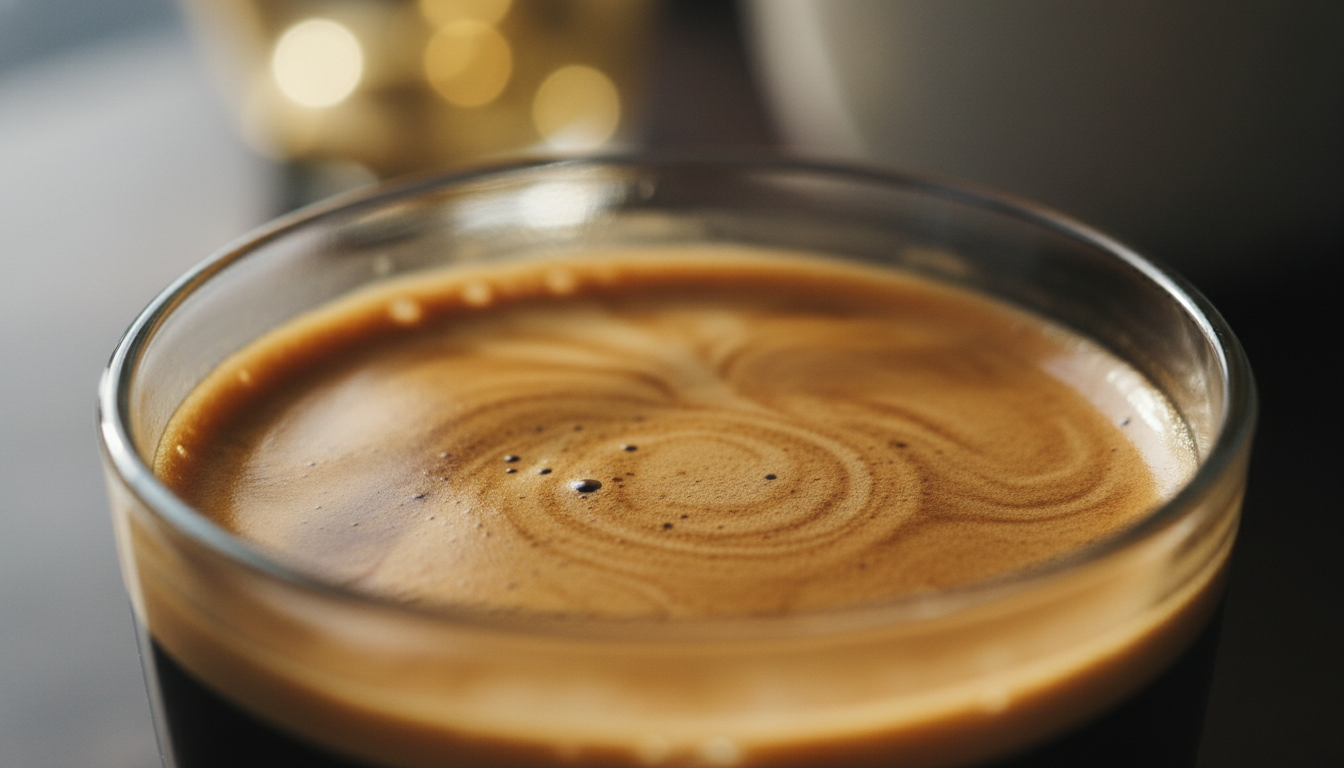
Crema is the golden emulsion of coffee oils, CO2, and water that forms on espresso under 9-bar pressure. It indicates fresh beans and proper extraction but doesn't guarantee good taste. Some excellent espressos have minimal crema.
Pressure Required
Ideal Thickness
Peak Crema Window
Of Total Volume
What Crema Actually Is
Crema is an emulsion—a mixture of two liquids that don't normally combine—created during the espresso extraction process. When high-pressure hot water (around 9 bars) is forced through finely ground coffee, it creates a unique chemical reaction that produces this distinctive layer.
The composition of crema includes:
- Coffee oils and lipids: Natural oils released from the coffee beans during extraction
- Carbon dioxide (CO2): Gas trapped in the coffee beans from the roasting process
- Water: Suspended in the emulsion with the oils and gas
- Microscopic coffee solids: Fine particles that give crema its color and body
- Melanoidins: Brown pigments formed during roasting that contribute to crema's golden color
The result is a creamy, golden-brown foam that sits atop your espresso shot. Its texture is often described as velvety or mousse-like, with tiny bubbles that range in color from pale gold to deep reddish-brown.
How Crema Forms: The Science of 9-Bar Pressure
The Physics of Crema Creation
The magic happens due to a combination of pressure, temperature, and the natural chemistry of coffee beans:
1. High-Pressure Extraction (9 Bars)
Standard espresso extraction occurs at approximately 9 bars of pressure—about 9 times atmospheric pressure. This intense pressure forces water through the compacted coffee puck at high velocity, dissolving oils and creating emulsions that wouldn't form at lower pressures.
2. CO2 Release and Trapping
Fresh coffee beans contain significant amounts of CO2, a natural byproduct of roasting. When hot water hits the grounds under pressure, this gas is rapidly released. The high pressure forces the CO2 into tiny bubbles, while coffee oils surround and stabilize these bubbles, preventing them from popping immediately.
3. Emulsion Formation
Under normal conditions, oil and water separate. But the extreme pressure and turbulence of espresso extraction forces these incompatible substances to combine temporarily. The resulting emulsion is what we call crema—millions of microscopic oil-coated gas bubbles suspended in coffee liquid.
4. Temperature's Role
Water temperature between 195–205°F (90–96°C) optimizes the extraction of oils and the release of CO2. Too cold, and you won't extract enough oils; too hot, and you risk burning the coffee, which can produce bitter, thin crema.
What Crema Indicates: Freshness and Pressure
While crema isn't a guarantee of taste, it does tell you several important things about your espresso:
✓ Bean Freshness
Thick, persistent crema generally indicates fresh beans (roasted within 2–4 weeks). As coffee ages, it loses CO2, resulting in thinner crema. However, very fresh coffee (less than 3 days post-roast) can produce too much CO2, creating overly bubbly, unstable crema.
✓ Proper Pressure
The presence of crema confirms that your machine is generating adequate pressure. No crema at all often indicates insufficient pressure, while extremely thin crema may suggest pressure problems or stale beans.
✓ Extraction Occurring
Crema formation indicates that extraction is happening—the water is successfully interacting with the coffee oils and compounds. This is a sign that your grind size and tamping are in a workable range.
✓ Roast Level
Darker roasts generally produce more crema due to higher oil content on the bean surface. Light roasts may produce less crema even when perfectly fresh and properly extracted.
Does Crema Mean Good Espresso? Myth-Busting
The Crema Myth
No, thick crema does not guarantee good-tasting espresso. This is one of the most persistent misconceptions in coffee culture. While crema indicates certain technical aspects of the extraction, it says little about the actual flavor balance, sweetness, or complexity of the shot.
Why Crema ≠ Quality
1. Robusta Produces More Crema
Robusta beans contain roughly twice the lipid content of Arabica, producing significantly more crema. However, many coffee enthusiasts prefer the nuanced flavor of Arabica over Robusta's harsher, more bitter profile. A shot with voluminous crema might simply contain more Robusta.
2. Over-extraction Can Create Thick Crema
A bitter, over-extracted shot can still have beautiful crema. The visual appeal masks flavor defects. Conversely, a perfectly balanced shot with thinner crema (common with light roasts) may taste far superior.
3. Freshness Isn't Everything
While fresh beans produce more crema, the beans' quality, origin, and roast profile matter far more for taste. Old but high-quality beans can taste better than fresh but low-quality beans, even with less crema.
4. Some Great Espressos Lack Crema
Certain brewing methods and bean choices naturally produce less crema. Light roast single-origin espressos, while prized for their complexity and clarity, often have minimal crema. This doesn't make them inferior—just different.
The Bottom Line:
Treat crema as a diagnostic tool, not a quality score. It tells you about freshness and extraction mechanics, but taste is the only true measure of espresso quality. A thin-crema shot that tastes sweet, balanced, and complex is infinitely better than a thick-crema shot that's bitter and harsh.
Crema Color Guide: What the Hues Tell You
The color of your crema provides valuable feedback about your extraction:
Pale Gold / Yellow
Indicates under-extraction or blonde crema. The shot may taste sour, weak, or salty. Common causes: grind too coarse, insufficient dose, or extraction time too short.
Golden Brown with Reddish Tones (Ideal)
The target. Tiger striping (alternating light and dark streaks) indicates proper extraction. The shot should taste balanced with sweetness, acidity, and bitterness in harmony.
Dark Brown / Black
Indicates over-extraction or dark roast. The shot may taste bitter, burnt, or ashy. Common causes: grind too fine, extraction time too long, or excessively dark roast.
Grayish or Muddy
Indicates dirty equipment or stale beans. Oils from previous shots or oxidized coffee can create unappealing gray tones. Clean your machine and use fresher beans.
Tiger Striping Explained
"Tiger striping" refers to the variegated pattern of light and dark streaks that flow during extraction. This visual phenomenon indicates that different solubles are extracting at different rates—the darker streaks contain more oils and solids, while lighter areas contain more foam and gas. Proper tiger striping typically results in the most complex, balanced flavor profile.
When to Ignore Crema
There are legitimate situations where crema is irrelevant or misleading:
🎯 Light Roast Espresso
Light roasts naturally contain less surface oil and CO2. Expect thinner crema and focus on flavor clarity, acidity, and sweetness instead.
🎯 Single-Origin vs. Blend
Single-origin coffees often produce less crema than blends designed for espresso. The trade-off is unique terroir expression that blends can't replicate.
🎯 Drink Preparation
If you're making milk drinks (lattes, cappuccinos), crema matters even less. The milk integrates with the espresso, making visual assessment irrelevant.
🎯 Older But Quality Beans
4–6 week old beans from an excellent roaster may lack crema but still taste better than fresh but low-quality alternatives.
How to Improve Crema (If You Want To)
If your goal is thicker, more persistent crema, consider these adjustments:
Bean and Roast Selection
- Choose medium to dark roasts: More surface oils = more crema
- Add Robusta: Even 10–20% Robusta in a blend dramatically increases crema
- Use beans 7–14 days post-roast: Peak CO2 retention without excessive bubbling
- Store properly: Keep beans airtight to preserve CO2
Technical Adjustments
- Ensure 9-bar pressure: Check your machine's pressure output
- Proper water temperature: 200°F (93°C) is ideal for crema formation
- Correct grind size: Too coarse = thin crema; too fine = dark, uneven crema
- Fresh basket: Residual oils in the portafilter can inhibit proper crema
⚠️ Remember:
Improving crema should never come at the expense of taste. Don't sacrifice flavor balance for visual appeal. If your shot tastes excellent but has thin crema, you've succeeded.
Common Crema Problems
No Crema at All
Causes: Stale beans, insufficient pressure, wrong grind size, or cold equipment.
Solutions: Use fresher beans (within 3 weeks of roast), ensure machine reaches proper pressure, adjust grind finer, allow full heat-up time.
Crema Disappears Immediately
Causes: Too much CO2 (very fresh beans), over-extraction, or low coffee oil content.
Solutions: Let beans rest 3–7 days post-roast, check extraction time isn't too long, consider darker roast or blend with Robusta.
Bubbly, Unstable Crema
Causes: Too-fresh beans releasing excessive CO2, or channeling in the puck.
Solutions: Wait 3–7 days after roasting, improve distribution and tamping technique to prevent channeling.
Dark, Spotty Crema
Causes: Over-extraction, burnt beans, or dirty equipment.
Solutions: Coarsen grind slightly, reduce extraction time, clean group head and portafilter thoroughly.
Related Guides
Key Takeaways
- → Crema is an emulsion of coffee oils, CO2, and water created under 9-bar pressure—not a cream.
- → Crema indicates freshness and proper pressure but does NOT guarantee good taste.
- → Color matters: Golden-brown with tiger striping is ideal; pale indicates under-extraction, dark indicates over-extraction.
- → Some excellent espressos have minimal crema—light roasts and single origins often produce less.
- → Taste is the only true measure of quality. Don't chase thick crema at the expense of flavor.
- → Use crema as a diagnostic tool to assess freshness and extraction, not as a quality score.
Ready to Master Espresso?
Understanding crema is just the beginning. Learn the complete science behind perfect espresso extraction.
Explore Extraction Science