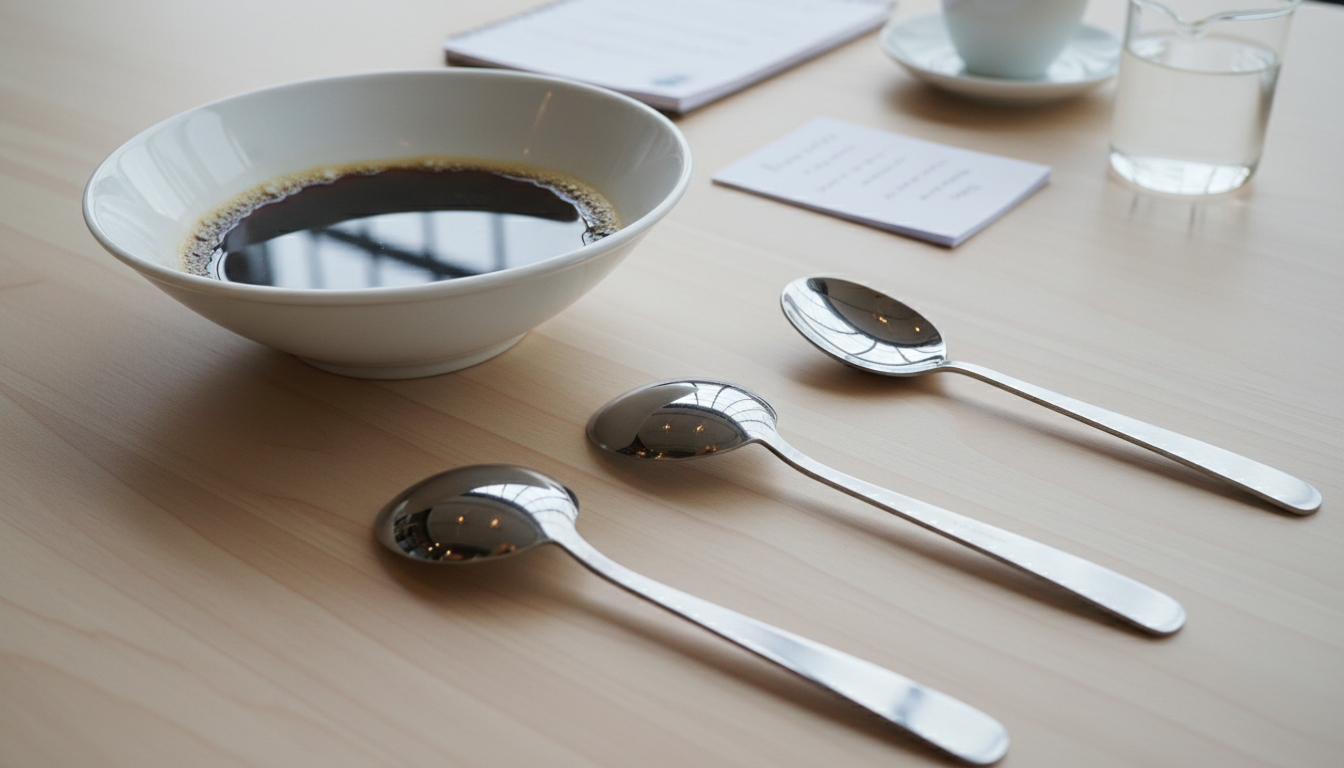
Specialty Coffee Quick Answer
Specialty coffee scores 80+ points on the 100-point SCA scale, representing the top 3% of global coffee production. Superior growing conditions, careful processing, and quality control justify 30-100% price premiums. For espresso enthusiasts seeking optimal extraction and complex flavor, specialty coffee delivers measurable value over commodity alternatives.
Specialty coffee represents a quality tier distinct from commercial or commodity coffee. The specialty designation indicates coffee free from primary defects, with distinctive flavor characteristics, and traceable to specific origins and producers.
The Specialty Coffee Association (SCA) established grading standards defining specialty coffee as scoring 80 points or above on a 100-point scale evaluated by certified Q Graders. This threshold separates everyday drinking coffee from exceptional lots commanding premium prices.
What Defines Specialty Coffee
Official Specialty Coffee Criteria
- Score: 80+ points on 100-point SCA scale
- Defects: Zero primary defects; minimal secondary defects
- Cup Quality: Distinctive flavor characteristics present
- Traceability: Specific origin, farm, or cooperative identified
- Harvest: Current season crop (not old crop)
- Processing: Consistent, controlled processing executed
Specialty coffee accounts for approximately 3% of global coffee production. The remaining 97% falls into commercial (70-79 points) or commodity (below 70 points) categories. This scarcity drives premium pricing.
The SCA Scoring System Explained
Grading Categories (10 Criteria)
Q Graders evaluate coffee across ten standardized criteria, each scored 0-10:
- Fragrance/Aroma (10 points): Dry and wet aroma intensity and quality
- Flavor (10 points): Primary taste perception and complexity
- Aftertaste (10 points): Lingering flavor quality and duration
- Acidity (10 points): Brightness quality and intensity
- Body (10 points): Mouthfeel and texture
- Balance (10 points): Harmony between flavor components
- Uniformity (10 points): Consistency across multiple cups
- Clean Cup (10 points): Freedom from defects and off-flavors
- Sweetness (10 points): Presence and quality of sweetness
- Overall (10 points): Holistic impression and distinction
Score Interpretation
| Score Range | Classification | Quality Level |
|---|---|---|
| 90-100 | Outstanding | Exceptional, rare lots |
| 85-89.99 | Excellent | Premium specialty |
| 80-84.99 | Very Good | Entry specialty |
| 70-79.99 | Commercial | Standard quality |
| Below 70 | Commodity | Defective/off-grade |
Specialty vs Commercial Coffee Comparison
| Factor | Specialty Coffee | Commercial Coffee |
|---|---|---|
| Score | 80+ points | 70-79 points |
| Defects | Zero primary defects allowed | Minor defects acceptable |
| Origin | Specific farm/cooperative | Regional blends, untraceable |
| Harvest | Current season, fresh | May include past crop |
| Price (green) | $4-20+ per pound | $1-3 per pound |
| Flavor | Distinctive, complex, balanced | Generic, flat, acceptable |
| Espresso Suitability | Excellent—highlights extraction | Poor—limited flavor development |
Price Analysis: Is Specialty Coffee Worth It?
Retail Price Comparison
- Commodity/Supermarket Coffee: $6-10 per 12oz bag
- Commercial Specialty: $12-16 per 12oz bag
- Entry Specialty (80-84): $16-22 per 12oz bag
- Premium Specialty (85-89): $22-32 per 12oz bag
- Exceptional (90+): $35-60+ per 12oz bag
Cost Per Espresso Shot
Calculating cost per 18g double shot:
- Commodity ($8/bag): $0.42 per shot
- Entry Specialty ($18/bag): $0.95 per shot
- Premium Specialty ($28/bag): $1.48 per shot
The upgrade from commodity to entry specialty costs approximately $0.53 per shot—less than a coffee shop upsell charge.
Value Proposition for Espresso
Why Specialty Coffee Matters for Espresso
Espresso extraction concentrates coffee flavors. Defects and off-flavors in lower-grade coffee become amplified and unpleasant in espresso format. Specialty coffee provides the clean, complex base necessary for excellent espresso.
- • Specialty beans extract more predictably
- • Defect-free cups taste clean even at espresso concentration
- • Complex flavors survive milk dilution in drinks
- • Freshness ensures proper extraction behavior
- • Origin characteristics provide exploration value
Return on Investment
Quality coffee maximizes equipment investment value. A $1,000 espresso machine with commodity coffee produces worse results than a $300 machine with specialty coffee. The coffee component matters more than equipment for final cup quality.
For home baristas who have invested in equipment, specialty coffee completes the value chain and enables equipment potential realization.
When Specialty Coffee Justifies Premium Pricing
✓ Worth the Premium
- • Daily espresso enthusiasts seeking optimal flavor
- • Those who invested in quality equipment
- • Black espresso drinkers (defects most apparent)
- • Flavor exploration and palate development
- • Entertaining or serving guests quality coffee
- • Supporting ethical supply chains and farmer premiums
✓ Diminishing Returns Threshold
The jump from 80-point to 85-point coffee provides noticeable improvement. The jump from 88-point to 92-point coffee offers subtler gains. Personal preference and budget determine optimal quality tier.
Most home baristas find optimal value in the 83-87 point range—excellent quality without extreme premiums.
How to Identify Genuine Specialty Coffee
Packaging Indicators
- Roast Date: Clearly printed (not "best by" date)
- Origin Details: Specific farm, cooperative, or region
- Varietal: Coffee variety listed (Bourbon, Caturra, etc.)
- Altitude: Growing elevation specified
- Processing: Method indicated (washed, natural, etc.)
- Tasting Notes: Specific flavor descriptors provided
- Roaster: Specialty roaster name and location
Red Flags (Not Specialty)
- • "Best by" date instead of roast date
- • Vague origin (just "Colombia" or "Africa")
- • Pre-ground coffee in vacuum cans
- • Supermarket bulk bins
- • No roast date visible
- • Extremely low prices ($6-8 per bag)
Making Specialty Coffee Affordable
Cost-Optimization Strategies
- Subscribe: Many roasters offer 10-15% subscription discounts
- Buy Larger: 2lb or 5lb bags reduce per-ounce cost
- Seasonal Selections: Roaster's choice subscriptions offer value
- Local Roasters: Eliminate shipping costs
- Buy Fresh: Freeze portions to extend usability
Quality Tiers by Budget
- $15-20/bag: Solid 82-85 point specialty coffee
- $20-28/bag: Premium 85-88 point coffee
- $28-35/bag: Exceptional 88-90+ point coffee
- $35+/bag: Competition-grade microlots
Frequently Asked Questions
Is specialty coffee always better than commercial coffee?
For espresso, yes—specialty coffee consistently outperforms commercial grades due to defect-free cups and complex flavors. For brewed coffee, personal preference plays a larger role. Some drinkers prefer the darker, more "traditional" flavors of commercial coffee.
Can you taste the difference in milk drinks?
Yes, though the difference narrows. Specialty coffee maintains complexity and sweetness in milk; commercial coffee often tastes flat or bitter. For lattes and cappuccinos, medium-roasted specialty coffee provides optimal presence.
Does specialty coffee require special equipment?
No. Specialty coffee improves results on any equipment. While high-end grinders and machines extract maximum potential, specialty coffee tastes better than commercial coffee even on entry-level equipment.
How do I start exploring specialty coffee?
Start with a reputable local roaster or established online specialty roaster. Buy a bag with roast date within 2 weeks. Try different origins to discover preferences. Ethiopia and Colombia offer approachable entry points.