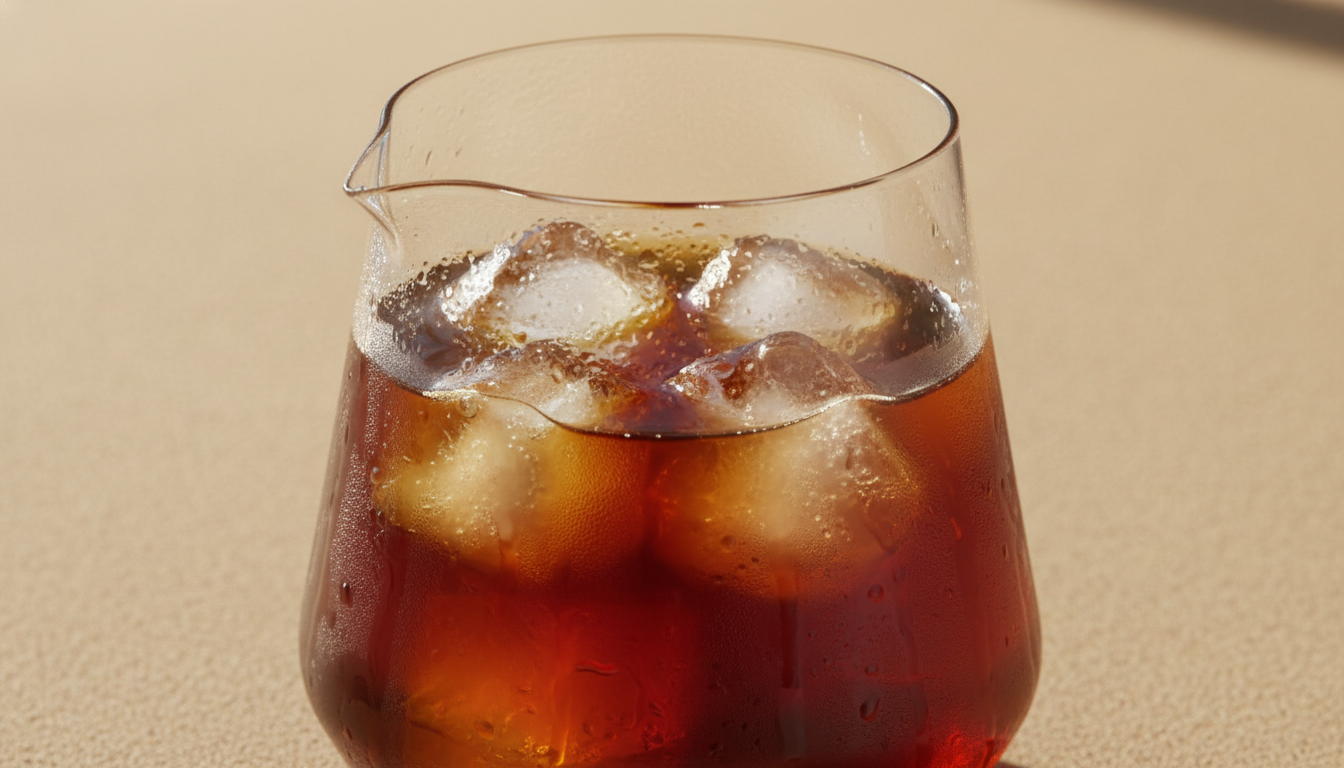
Coffee Equipment Water Filtration
EQUIPMENT MAINTENANCE

Water Filters

Pure water protects equipment and perfects coffee taste.

The Foundation of Great Coffee

Water quality is the single most important factor in coffee quality after the beans themselves. Proper filtration removes harmful contaminants, prevents equipment damage, and provides the clean canvas needed for exceptional coffee extraction. For equipment that won't turn on, check our machine troubleshooting guide.

From chlorine that causes bitterness to minerals that create damaging scale, water impurities affect both taste and equipment longevity. Understanding water quality issues and implementing appropriate filtration protects your investment and ensures consistently great coffee. Essential filtration accessories protect your equipment.

How Water Quality Affects Coffee

TASTE IS #1 PRIORITY

Coffee Taste

Effects: Chlorine causes bitterness, Minerals affect extraction, Hard water creates scale, Impurities add off-flavors
Solutions: Carbon filtration, Softening systems, Reverse osmosis, Cartridge filters
Measurable impact: 30-50% improvement in taste clarity
Priority: Critical for quality coffee

Equipment Longevity

Effects: Scale buildup damages heating elements, Minerals clog systems, Corrosion from chemicals, Premature component failure
Solutions: Scale prevention, Corrosion inhibitors, Regular filter changes, Water testing
Measurable impact: 2-3x longer equipment life
Priority: Essential for investment protection

Brewing Performance

Effects: Inconsistent temperature, Reduced water flow, Pressure fluctuations, Unreliable extraction
Solutions: Consistent water quality, Proper mineral balance, Regular maintenance, System monitoring
Measurable impact: 20-30% more consistent brewing
Priority: Important for consistency

Health & Safety

Effects: Chemical contaminants, Bacteria growth, Heavy metals, Sediment particles
Solutions: Multi-stage filtration, UV treatment, Regular testing, Certified systems
Measurable impact: Eliminates health concerns
Priority: Essential for safety

Types of Water Filtration Systems

Many water issues can be resolved with proper maintenance. Check our common problems guide for related issues.

Carbon Filters

Activated carbon removes chlorine, chemicals, and odors

Best for: Taste improvement, Chemical removal, Basic filtration, Budget solutions
Pros: Affordable, Easy installation, Good taste improvement, Low maintenance
Cons: Limited mineral removal, Regular replacement needed, Basic protection only
Price range: $20-80 initial, $15-40 annually
Lifespan: 2-6 months per cartridge

Reverse Osmosis

Multi-stage membrane filtration removes almost all impurities

Best for: Maximum purity, Very hard water, Health concerns, Professional setups
Pros: Complete purification, Removes all contaminants, Consistent results, Health benefits
Cons: Expensive installation, Removes beneficial minerals, Wastes water, Complex maintenance
Price range: $200-800 initial, $100-300 annually
Lifespan: 1-2 years for membranes, 6-12 months for filters

Water Softeners

Ion exchange removes hardness-causing minerals

Best for: Hard water areas, Scale prevention, Equipment protection, High mineral content
Pros: Excellent scale prevention, Protects equipment, Long cartridge life, Cost-effective for hard water
Cons: Adds sodium to water, Requires regeneration, Doesn't remove other contaminants, May affect taste
Price range: $150-500 initial, $50-150 annually
Lifespan: 6-12 months per resin tank

Multi-Stage Systems

Combination of carbon, sediment, and specialty filters

Best for: Comprehensive protection, Balanced water, All-around quality, Serious enthusiasts
Pros: Complete protection, Customizable, Excellent results, Long-term value
Cons: Higher initial cost, Complex installation, Multiple replacement schedules, Space requirements
Price range: $100-400 initial, $60-180 annually
Lifespan: 6-12 months per stage

Equipment-Specific Water Requirements

For equipment that's leaking and needs repair, check our comprehensive leak guide.

Espresso Machines

Water requirements: Low mineral content, No chlorine, Specific hardness range, Consistent quality
Recommended filters: Inline carbon filters, Softening cartridges, Multi-stage systems
Installation: Direct water line connection
Maintenance: Filter changes every 2-6 months
Critical factors: Pressure compatibility, flow rate, temperature resistance

Drip Coffee Makers

Water requirements: Chlorine removal, Basic filtration, Scale prevention, Regular maintenance
Recommended filters: Pitcher filters, In-tank cartridges, Basic carbon filters
Installation: Simple drop-in or inline options
Maintenance: Filter changes every 1-2 months
Critical factors: Easy access, cost-effectiveness, simplicity

Pour Over Equipment

Water requirements: Excellent taste, Proper mineral balance, Temperature stability, Consistent quality
Recommended filters: High-quality carbon, Multi-stage systems, Gooseneck kettle filters
Installation: Pre-filtered water storage
Maintenance: Regular filter monitoring and changes
Critical factors: Taste clarity, mineral content, convenience

French Press & Manual

Water requirements: Good taste, Basic filtration, Temperature control, No major restrictions
Recommended filters: Basic carbon filters, Pitcher systems, Pre-filtered water
Installation: Flexible options
Maintenance: Standard filter replacement
Critical factors: Convenience, taste improvement, cost

5-Step Installation Guide

Regular deep cleaning prevents many water-related issues. Check our weekly deep cleaning guide for preventative maintenance.

Step 1: Water Quality Testing

Test your water to understand specific needs

Actions: Get water test kit • Test for hardness • Check chlorine levels • Identify contaminants
Time required: 30 minutes
Importance: Determines filter type and effectiveness

Step 2: Filter Selection

Choose appropriate filter based on test results

Actions: Analyze test results • Match filter to needs • Consider equipment requirements • Budget planning
Time required: 1-2 hours research
Importance: Critical for proper protection and performance

Step 3: Installation Planning

Plan installation location and method

Actions: Choose installation point • Check space requirements • Plan water line access • Gather tools
Time required: 1 hour
Importance: Ensures proper and convenient installation

Step 4: Physical Installation

Install the filtration system

Actions: Turn off water supply • Install filter housing • Connect water lines • Test for leaks
Time required: 2-4 hours
Importance: Proper installation prevents problems

Step 5: System Testing

Test and verify proper operation

Actions: Flush system • Check water quality • Test equipment operation • Monitor performance
Time required: 1 hour
Importance: Confirms system works correctly

Maintenance Schedule

Filter Replacement

Frequency: Every 2-6 months depending on type
Importance: Prevents contaminant buildup, maintains effectiveness
Signs needed: Taste degradation, Slow flow, Filter indicator, Time schedule
Cost: $15-80 per replacement
Time required: 15-30 minutes

System Cleaning

Frequency: Monthly
Importance: Prevents bacterial growth, maintains performance
Signs needed: Regular maintenance, Visible buildup, Taste issues, System indicators
Cost: Minimal (cleaning supplies)
Time required: 30 minutes

Water Testing

Frequency: Quarterly
Importance: Verifies filter effectiveness, monitors water quality
Signs needed: Scheduled testing, Taste changes, Equipment issues, Filter replacement
Cost: $10-30 per test kit
Time required: 30 minutes

Component Inspection

Frequency: Annually
Importance: Prevents failures, extends system life
Signs needed: Annual inspection, Performance issues, Age of system, Manufacturer recommendations
Cost: $0-50 for parts
Time required: 1 hour

5-Year Cost Analysis

MOST EXPENSIVE LONG-TERM

No Filtration

Initial cost: $0
Annual cost: $200-800 (equipment damage, scale removal)
Long-term cost: High - equipment replacement, repairs
Coffee quality impact: Poor to inconsistent
Equipment risk: High - premature failure

Basic Carbon Filter

Initial cost: $20-80
Annual cost: $30-80 (filter replacements)
Long-term cost: Low - basic protection
Coffee quality impact: Good - taste improvement
Equipment risk: Medium - some scale possible

Multi-Stage System

Initial cost: $100-400
Annual cost: $60-180 (maintenance)
Long-term cost: Medium - comprehensive protection
Coffee quality impact: Excellent - consistent quality
Equipment risk: Low - excellent protection

Reverse Osmosis

Initial cost: $200-800
Annual cost: $100-300 (maintenance)
Long-term cost: High initial, low ongoing
Coffee quality impact: Perfect - pure water
Equipment risk: Very Low - maximum protection

Pure Water, Perfect Coffee

Water filtration is not optional for serious coffee enthusiasts - it's essential for both taste and equipment protection. The right filtration system pays for itself through improved coffee quality and extended equipment life.

The filtration advantage:

Professional coffee shops invest heavily in water treatment because they understand it's the foundation of consistent quality. Home brewers benefit from the same principles - pure water prevents problems and perfects extraction.