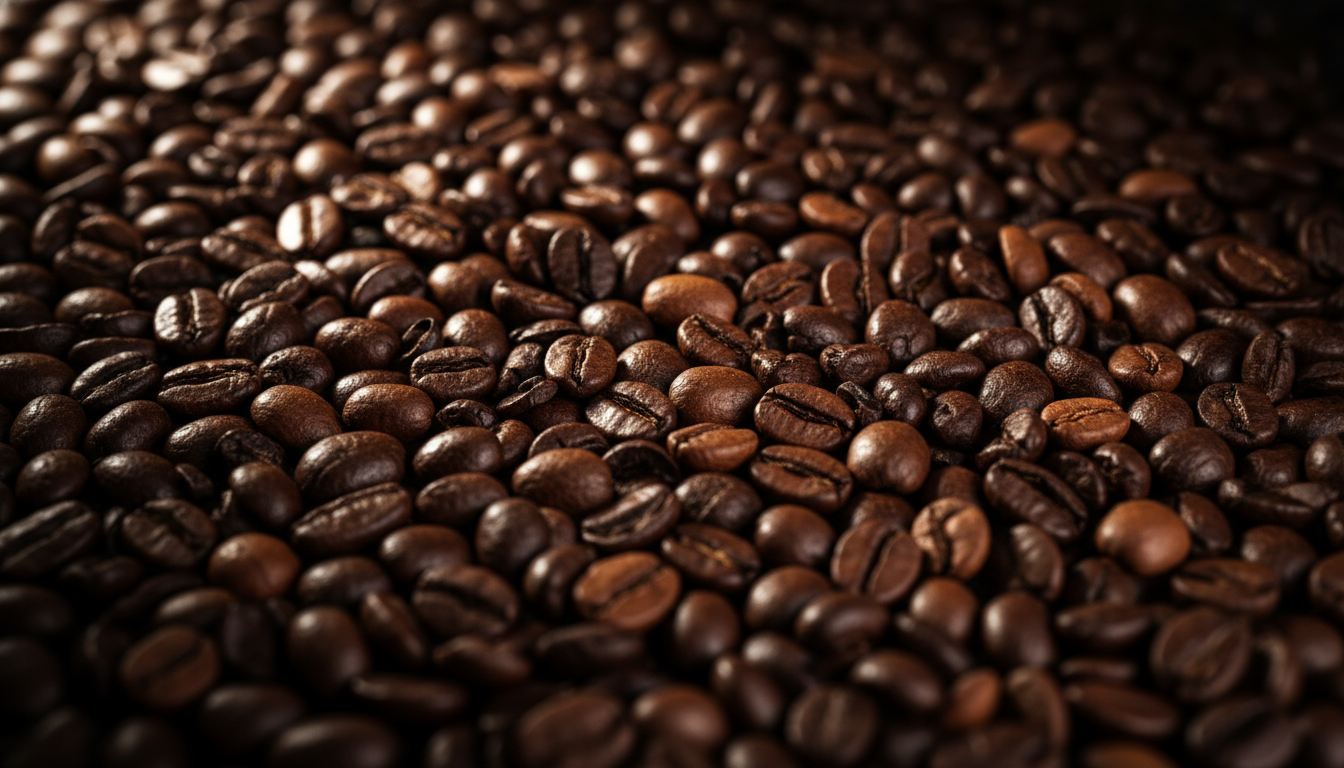
Best Coffee Beans 2026 Quick Answer
The best coffee beans for 2026 combine freshness (roasted 7-30 days ago), quality origin (Ethiopia Yirgacheffe, Colombia Huila, or Guatemala Antigua), and appropriate roast level for your brewing method. Look for specialty-grade beans with clear roast dates, direct trade relationships, and sustainable sourcing practices. Expect to pay $15-25/lb for premium single-origin and $12-18/lb for quality blends.
The world of specialty coffee continues to evolve in 2026, with unprecedented access to diverse origins, innovative processing methods, and sustainable sourcing practices. Whether you're a home barista perfecting your espresso technique or a pour-over enthusiast seeking bright, complex flavors, understanding how to select the best coffee beans is essential for exceptional brews.
Coffee bean selection involves balancing multiple factors: origin characteristics, roast level, freshness, and alignment with your preferred brewing method. Understanding coffee origins helps you predict flavor profiles, while proper storage techniques preserve volatile aromatic compounds that define great coffee.
This comprehensive guide covers everything you need to know about selecting, storing, and brewing the best coffee beans of 2026, from top-producing regions to sustainability trends shaping the industry.
Selection Criteria for 2026
Freshness
Freshness is the single most important factor in coffee quality. After roasting, beans release CO₂ and aromatic compounds rapidly:
- • Days 1-7: Too fresh, excessive CO₂ causes uneven extraction
- • Days 7-21: Peak freshness window, optimal flavor development
- • Days 21-45: Good quality, diminishing aromatics
- • 45+ days: Stale, flat flavors, avoid for premium brewing
Always check roast dates and buy from roasters who display them prominently. Buy only what you'll consume within 2-3 weeks.
Origin
Coffee origin determines fundamental flavor characteristics through terroir—the unique combination of soil, climate, and altitude:
- • African coffees: Bright acidity, fruity and floral notes
- • Central American coffees: Balanced, chocolate and nut profiles
- • South American coffees: Smooth, caramel and mild fruit notes
- • Asian/Pacific coffees: Earthy, full-bodied, low acidity
Roast Date
The roast date indicates when beans were transformed from green to roasted coffee. This matters because:
- • Fresh roasted beans need 3-7 days to degas properly
- • Peak flavor emerges 7-21 days post-roast
- • "Best by" dates often mask actual roast dates
- • Pre-ground coffee loses freshness within hours
Roast Level
Roast level dramatically affects flavor and brewing compatibility:
- • Light roast: Origin flavors prominent, higher acidity, best for pour-over
- • Medium roast: Balanced sweetness and origin character, versatile
- • Medium-dark roast: Chocolate and caramel notes, ideal for espresso
- • Dark roast: Bold, smoky flavors, reduced origin characteristics
Top Coffee Origins for 2026
Ethiopia
The birthplace of coffee, producing exceptional arabica with unique flavor profiles.
Yirgacheffe: Floral, tea-like body, lemon and bergamot notes, light to medium roast recommended.
Sidamo: Complex berry flavors, wine-like acidity, chocolate undertones, versatile roast profiles.
Colombia
Consistently excellent quality with diverse microclimates producing varied profiles.
Huila: Bright acidity, caramel sweetness, citrus notes, excellent for both espresso and filter.
Nariño: High-altitude beans with complex fruit, chocolate, and floral characteristics.
Guatemala
High-altitude volcanic soil produces distinctive, complex coffees.
Antigua: Spicy, smoky notes, chocolate body, elegant acidity, excellent for espresso.
Huehuetenango: Bright, fruity, wine-like acidity, complex flavor layers, specialty favorite.
Kenya
Known for bold, distinctive profiles with intense fruit characteristics.
AA Grade: Large beans with concentrated flavors, blackcurrant, tomato, bright acidity.
AB Grade: Slightly smaller, equally complex, often better value, same flavor intensity.
Brazil
The world's largest producer, known for consistent, approachable profiles.
Minas Gerais: Low acidity, full body, chocolate and nut flavors, excellent espresso base.
Costa Rica
Pioneer in honey processing, producing exceptionally clean coffees.
Tarrazú: Bright acidity, chocolate and citrus balance, clean finish, versatile brewing.
Best Beans by Brewing Method
Espresso
Espresso extraction requires specific bean characteristics for optimal results:
- • Roast level: Medium-dark to dark (Full City to Vienna)
- • Flavor profiles: Chocolate, nuts, caramel, low acidity
- • Recommended origins: Brazil, Colombia, Guatemala, Sumatra
- • Blends vs. single-origin: Blends offer consistency; single-origins provide unique experiences
Top picks: Medium-dark roasted Brazilians for base, Ethiopian naturals for complexity, Colombian for balance. See our complete espresso bean guide for detailed recommendations.
Pour-Over
Pour-over methods highlight origin characteristics and delicate flavors:
- • Roast level: Light to medium (Cinnamon to City)
- • Flavor profiles: Fruity, floral, bright acidity, tea-like
- • Recommended origins: Ethiopia, Kenya, Costa Rica, Panama
- • Processing: Washed for clarity, natural for fruit intensity
Top picks: Ethiopian Yirgacheffe (floral), Kenyan AA (blackcurrant), Costa Rican Tarrazú (citrus balance).
French Press
Immersion brewing extracts full body and oils, requiring sturdy flavor profiles:
- • Roast level: Medium to medium-dark
- • Flavor profiles: Full body, chocolate, nutty, caramel
- • Recommended origins: Colombia, Brazil, Guatemala, Indonesia
- • Grind: Coarse to prevent over-extraction
Top picks: Colombian Supremo, Brazilian Santos, Sumatran Mandheling for earthy depth.
Cold Brew
Extended cold extraction requires beans with strong flavor that won't become diluted:
- • Roast level: Medium (balances sweetness and origin character)
- • Flavor profiles: Low acidity, chocolate, nutty, smooth
- • Recommended origins: Brazil, Colombia, Guatemala
- • Processing: Natural processed for added sweetness
Top picks: Brazilian naturals, Colombian Huila, Guatemalan Antigua for smooth, chocolate-forward cold brew.
Notable Roasters to Watch in 2026
The specialty coffee roasting landscape continues to evolve, with innovative roasters pushing boundaries in sourcing, roasting techniques, and sustainability. Here are roasters making significant impacts in 2026:
Direct Trade Pioneers
- • Intelligentsia Coffee: Continued innovation in direct trade relationships with transparent pricing
- • Counter Culture Coffee: Industry-leading sustainability practices and educational resources
- • Blue Bottle Coffee: Precision roasting with emphasis on peak freshness windows
- • Stumptown Coffee Roasters: Bold flavor profiles with strong origin storytelling
Emerging Roasters
- • Local micro-roasters: Regional roasters offering hyper-fresh beans with local delivery
- • Subscription specialists: Curated experiences with educational tasting notes
- • Experimental processors: Roasters specializing in anaerobic and unique fermentation methods
- • Climate-conscious roasters: Carbon-neutral operations with regenerative agriculture partnerships
What to Look For
- • Transparent sourcing information and producer relationships
- • Roast dates prominently displayed on packaging
- • Detailed tasting notes and brewing recommendations
- • Sustainable packaging and carbon-neutral shipping options
- • Educational content and brewing guidance
Sustainability and Direct Trade Trends
The coffee industry in 2026 continues shifting toward sustainable practices and transparent supply chains. Understanding these trends helps consumers make informed purchasing decisions that align with their values.
Direct Trade Benefits
- • Higher prices paid directly to coffee farmers
- • Transparent pricing throughout the supply chain
- • Long-term relationships ensuring quality consistency
- • Investment in producer community infrastructure
- • Traceability from farm to cup
Sustainability Certifications
- • Rainforest Alliance: Environmental and social standards
- • Fair Trade: Minimum price guarantees for farmers
- • Organic: Chemical-free growing practices
- • Bird Friendly: Shade-grown preservation standards
- • Carbon Neutral: Offset production emissions
Climate Adaptation
- • Regenerative agriculture practices
- • Shade-grown coffee preservation
- • Water conservation in processing
- • Carbon sequestration programs
- • Disease-resistant varietal development
Economic Sustainability
- • Living wage premiums for farm workers
- • Cooperative ownership models
- • Micro-lot premiums for quality
- • Gender equity programs
- • Youth engagement in coffee farming
Making Sustainable Choices
Look for roasters who publish transparency reports, visit origin farms regularly, and maintain direct communication with producers. While certified coffees often cost more, the premium typically supports better farming practices and improved livelihoods for coffee-growing communities.
How to Store Beans for Freshness Through 2026
Proper storage preserves the volatile aromatic compounds that make fresh coffee exceptional. Follow these guidelines to maintain bean quality from purchase to final brew.
The Enemies of Freshness
- • Oxygen: Causes oxidation and stale flavors
- • Light: UV rays degrade aromatic compounds
- • Heat: Accelerates chemical breakdown
- • Moisture: Promotes mold and flavor degradation
Optimal Storage Methods
- • Airtight containers: Ceramic or opaque glass with tight seals
- • Valve bags: Original packaging with one-way CO₂ valves
- • Vacuum sealing: For long-term storage (3+ months)
- • Room temperature: 60-75°F, away from heat sources
- • Dark location: Pantry or cabinet, never in direct light
Storage Mistakes to Avoid
- • Refrigerator storage: Condensation damages beans
- • Freezer cycling: Temperature fluctuations cause moisture
- • Clear glass jars: Light exposure degrades quality
- • Paper bags: Allow oxygen and moisture penetration
- • Buying too much: Purchase 2-3 week supplies only
2026 Storage Recommendations
- • Store whole beans only; grind immediately before brewing
- • Divide large purchases into weekly portions
- • Use opaque, airtight containers with minimal headspace
- • Label containers with roast dates
- • Keep beans away from strong odors (spices, cleaning products)
Buying Guide: What to Look for on Labels
Understanding coffee labels empowers informed purchasing decisions. Here's what to look for when selecting beans:
Essential Information
- • Roast date: Should be within 2-4 weeks of purchase
- • Origin: Country, region, and ideally specific farm or cooperative
- • Varietal: Arabica type (Bourbon, Typica, Gesha, etc.)
- • Altitude: Higher elevations typically indicate better quality
- • Processing method: Washed, natural, or honey
Quality Indicators
- • Specialty grade: Scores 80+ on 100-point scale
- • Single-origin: Traceable to specific location
- • Micro-lot: Small batch from specific farm section
- • Direct trade: Roaster-producer relationship
- • Tasting notes: Descriptive flavor profile
Red Flags to Avoid
- • "Best by" dates without roast dates
- • Vague origin descriptions ("Arabica blend")
- • Excessively oily beans (over-roasted or stale)
- • No roast level indication
- • Pre-ground coffee without packaging dates
Price Expectations 2026
- • Commercial grade: $8-12/lb (acceptable for daily drinking)
- • Specialty grade: $15-22/lb (recommended for enthusiasts)
- • Premium single-origin: $22-35/lb (exceptional micro-lots)
- • Competition/experimental: $35+/lb (rare and unique)
2026 Coffee Bean Quick Reference
Selection Checklist
- ☐ Roast date within 2-3 weeks
- ☐ Specific origin listed
- ☐ Appropriate roast for brewing method
- ☐ Specialty grade preferred
- ☐ Sustainable sourcing
Top Origins by Method
- Espresso: Brazil, Colombia
- Pour-over: Ethiopia, Kenya
- French Press: Guatemala, Sumatra
- Cold Brew: Brazil, Colombia
Storage Essentials
- • Airtight container
- • Room temperature
- • Away from light
- • Buy 2-3 weeks only
- • Whole beans only
Related Guides
Best Coffee Beans for Espresso 2026
Detailed recommendations for espresso-specific bean selection and extraction.
BUYING GUIDECoffee Origin Guide for Beginners
Understanding how geography affects flavor profiles and coffee characteristics.
EDUCATIONBest Coffee Beans for Home Baristas
Premium bean selection strategies for home brewing enthusiasts.
BUYING GUIDECoffee Bean Storage Guide
Comprehensive techniques for preserving coffee freshness long-term.
STORAGECoffee Freshness Guide
Understanding coffee degassing and optimal brewing windows.
EDUCATIONDialing In Espresso Guide
Perfect your extraction technique for any bean type.
TUTORIALSources
1. Specialty Coffee Association. "Coffee Standards and Origin Classification 2026." 2026.
2. Hoffmann, J. "The World Atlas of Coffee." 3rd Edition. 2026.
3. Perfect Daily Grind. "Global Coffee Market Trends and Sustainability Report 2026." 2026.
4. Coffee Science Institute. "Bean Freshness and Storage Optimization Research." Journal of Coffee Science, Vol 25, 2026.
5. National Coffee Association. "Coffee Consumption and Consumer Preferences 2026." 2026.