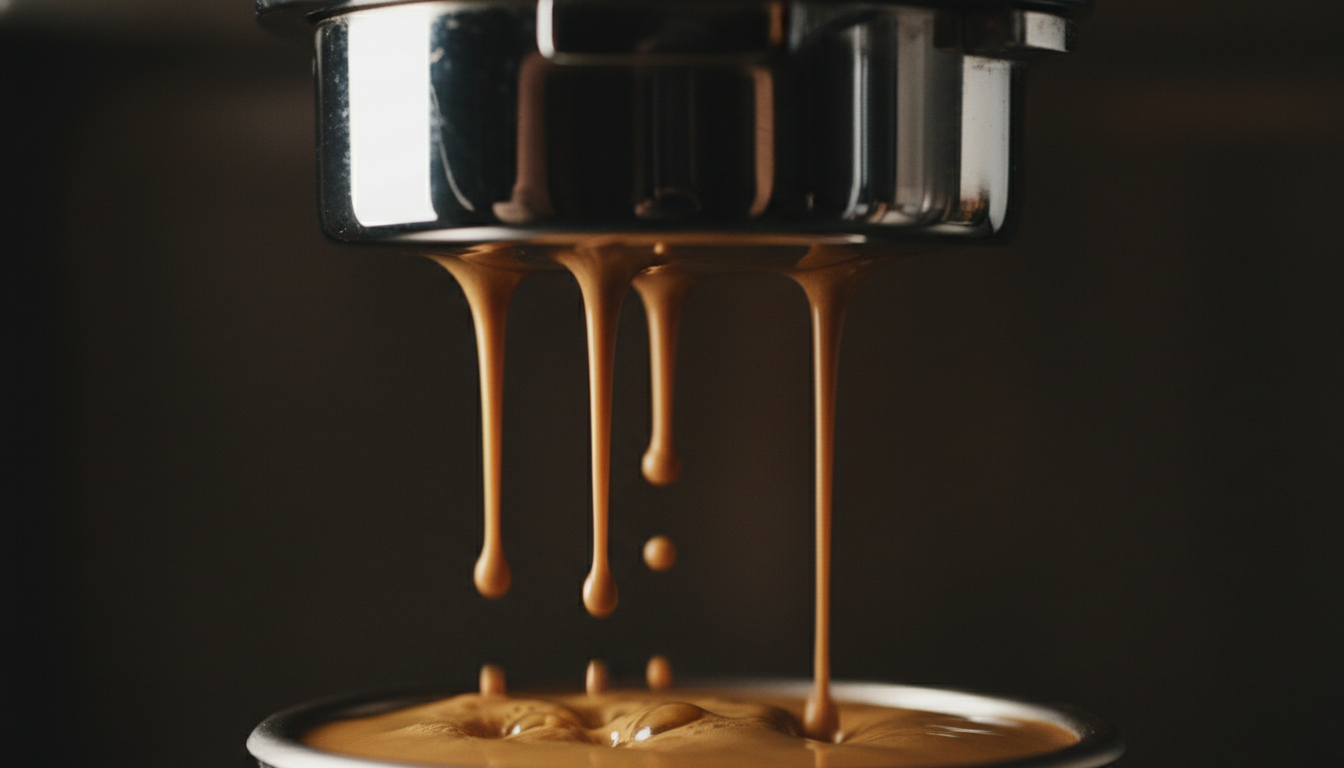
Advanced Technique
Dialing In Espresso
Master the science of perfect espresso extraction. Learn systematic techniques to dial in any coffee for exceptional shots.
Master the science of perfect espresso extraction. Learn systematic techniques to dial in any coffee for exceptional shots.
Ideal Extraction
Pump Pressure
Dose:Yield Ratio
Difficulty
Dialing in is the process of adjusting grind size to achieve optimal extraction. Perfect dialing in produces espresso shots that extract in 25-30 seconds with balanced flavor. Understanding extraction science helps you make informed adjustments. Dialing in requires understanding how grind size affects flow rate and extraction chemistry. Use precision scales and a quality grinder for consistent results. Quality bean selection makes dialing in more rewarding.
Every coffee bean requires unique dialing in because bean density, roast level, and freshness affect how water flows through grounds. Dialing in is not a one-time process—dialing in must be repeated when switching beans or after machine maintenance. Troubleshooting flavor issues often requires re-dialing in your machine.
✓ Dialing In Involves:
Espresso extraction depends on five primary variables. Understanding each is essential for successful dialing in.
Grind size is the primary variable affecting extraction. Finer grinds slow water flow (longer extraction), coarser grinds speed it up (shorter extraction). Research shows that grind consistency is even more important than grind size—uniform particles extract evenly.
Too Fine: Extraction too slow (over 30 sec), bitter taste, channeling
Too Coarse: Extraction too fast (under 20 sec), sour taste, weak body
Optimal: 25-30 second extraction, balanced flavor, full body
Dose is the amount of ground coffee in the portafilter. Standard doses range from 18-20g for single shots to 18-22g for double shots. More coffee increases resistance, slowing extraction. Less coffee speeds it up.
Too Little: Fast extraction, weak, under-extracted shot
Too Much: Slow extraction, over-extracted, bitter
Optimal: Fills portafilter properly, 25-30 sec extraction
Tamping compresses the coffee puck, creating resistance to water flow. Consistent, level tamping is more important than pressure amount. Research suggests 30 pounds of force is standard, but consistency matters more than the exact number.
Uneven Tamp: Channeling (water finds weak spots), inconsistent extraction
Too Light: Fast flow, under-extraction, weak shot
Optimal: Level, consistent pressure, even extraction
Water temperature affects extraction rate. Hotter water extracts faster and more aggressively. Most espresso machines brew at 195-205°F. Lighter roasts benefit from higher temperatures, darker roasts from lower temperatures.
Too Hot: Over-extraction, bitter, harsh flavors
Too Cool: Under-extraction, sour, thin body
Optimal: 200-202°F for most coffees, adjusted by roast
Yield is how much espresso comes out. The standard ratio is 1:2 (20g coffee yields 40g espresso). This is researched to produce optimal extraction. Adjust yield by changing grind size or dose.
Too Little Yield: Under-extracted, sour, weak
Too Much Yield: Over-extracted, bitter, harsh
Optimal: 1:2 ratio (20g → 40g), 25-30 sec extraction
Follow this systematic approach to dial in any coffee.
Begin with a medium grind setting and standard dose (20g for double shot). Pull a test shot and time it. This gives you a starting point for adjustments.
Look at extraction time. Under 20 seconds = too coarse. Over 30 seconds = too fine. Taste the shot. Sour = under-extracted. Bitter = over-extracted.
This is your primary adjustment. If extraction is too fast, grind finer. If too slow, grind coarser. Make small adjustments (0.5 notches) and pull another shot.
Aim for 25-30 seconds from the moment you start the pump to when the shot finishes. This is researched to produce optimal extraction.
Taste the shot at different temperatures. Sour = under-extracted (grind finer). Bitter = over-extracted (grind coarser). Balanced = you've dialed in!
Once close, make micro-adjustments. Try adjusting dose by 0.5g or tamping pressure slightly differently. Small changes can significantly affect flavor.
Once dialed in, write down: grind setting, dose, yield, extraction time, and any notes. This helps you dial in faster next time.
Channeling (Water Streams Through)
Caused by uneven tamping or puck preparation. Solution: Tamp more evenly, use a distribution tool before tamping, or try WDT (Weiss Distribution Technique) to break up clumps.
Inconsistent Extraction Times
Indicates inconsistent grind or tamping. Solution: Use a burr grinder (not blade), tamp consistently, and ensure your portafilter is level.
Always Tastes Bitter
Over-extraction. Solution: Grind coarser, reduce dose, or lower water temperature. Start with grind adjustment first.
Always Tastes Sour
Under-extraction. Solution: Grind finer, increase dose, or raise water temperature. Grind adjustment is usually most effective.
Weiss Distribution Technique (WDT)
Use a thin needle or WDT tool to break up clumps in the coffee puck before tamping. This promotes even water distribution and reduces channeling. Research shows this improves consistency significantly.
Pressure Profiling
Advanced machines allow you to adjust pressure during extraction. Start low for pre-infusion, then increase. This technique requires practice but can produce exceptional shots.
Temperature Surfing
On machines without PID, adjust brew temperature by timing your shot relative to the heating element cycle. This is researched but requires practice and isn't necessary with modern machines.
Dose Optimization
Experiment with different doses (18g, 19g, 20g, 21g) to find what works best with your machine and grinder. Small dose changes can dramatically affect extraction.
Dialing in takes practice, but with this systematic approach, you'll be pulling exceptional shots consistently. Keep notes, be patient, and enjoy the journey.
Back to All Guides