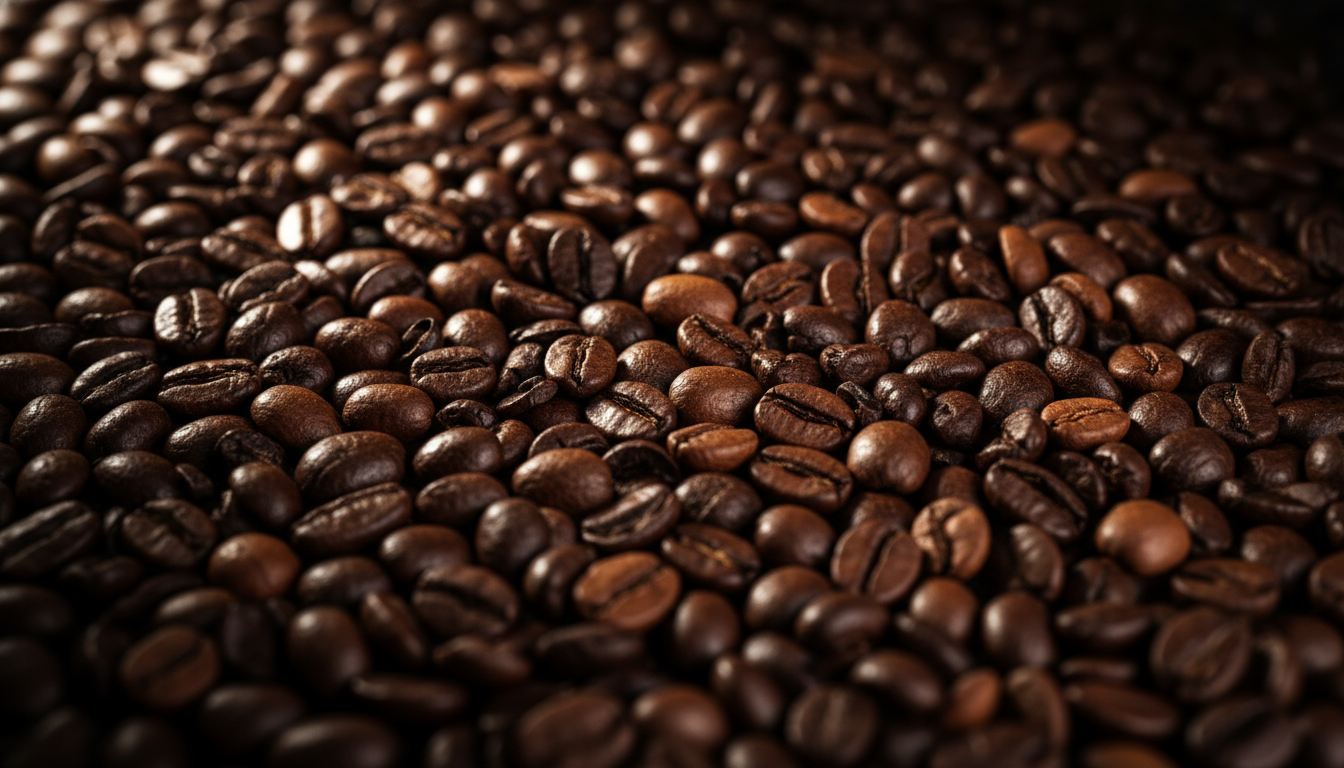
Roasted coffee beans texture

Coffee Bean Selection Guide

Learn to select the perfect coffee beans. Understand roast levels, origins, processing methods, and how to match beans to your brewing method and taste preferences. Proper dialing-in adapts to different bean characteristics.

Coffee Bean Selection: The Foundation of Exceptional Coffee

The best coffee equipment in the world cannot salvage poor-quality coffee beans. Coffee bean selection is the fundamental foundation of everything—coffee bean quality determines your flavor ceiling and coffee potential. Understanding coffee bean roast levels, coffee bean origins, and coffee processing methods helps coffee enthusiasts find beans they'll love and avoid expensive coffee disappointments.

This comprehensive coffee bean selection guide helps you navigate the overwhelming world of specialty coffee and find coffee beans that match your taste preferences and brewing setup for optimal coffee flavor.

Understanding Roast Levels

Light Roast

Light brown with no visible oil

Flavor: Bright acidity, fruity flavor, floral notes, origin-forward characteristics

Espresso notes: Challenging for espresso—requires precise technique, often produces sour flavor if under-extracted

Best for: Pour-over brewingAeropress brewingSome espresso enthusiasts

Examples: Ethiopian Yirgacheffe, Kenyan AA, Panama Geisha

Medium Roast

Medium brown with minimal oil

Flavor: Balanced acidity and body, caramel flavor, nuts, chocolate notes

Espresso notes: Most forgiving for espresso—provides good balance of sweetness and body

Best for: All brewing methodsEspresso beginnersMilk-based drinks

Examples: Colombian, Brazilian, Guatemalan

Medium-Dark Roast

Rich brown with visible oil

Flavor: Lower acidity, fuller body, chocolate, spice characteristics

Espresso notes: Classic espresso profile—good crema development, works well with milk steaming

Best for: Espresso brewingMilk-based drinksFrench press

Examples: Italian roast blends, Sumatra medium-dark, Specialty espresso blends

Dark Roast

Dark brown to black with heavy oil

Flavor: Bold flavor, smoky notes, bitter characteristics, low acidity

Espresso notes: Traditional Italian style—less origin character, bold and intense flavor

Best for: Strong coffee loversTraditional espresso traditions

Examples: French roast, Spanish roast, Traditional espresso blends

For espresso beginners: Start with medium or medium-dark roasts. They're more forgiving and produce classic espresso flavors. Light roasts require precise technique and can taste sour if under-extracted. See our dialing in guide for extraction tips.

Coffee Origins

Ethiopian

Coffee birthplace with bright, fruity, floral, wine-like flavor profiles

BlueberryJasmineBergamotWine

Processing: Often uses natural or washed processing

Best for: Drinkers who love bright, complex, fruity profiles

Colombian

Balanced, clean, versatile with classic profile

CaramelNutsRed appleChocolate

Processing: Mostly washed processing

Best for: Beginners, all-rounders, everyday drinking

Brazilian

Low acidity, full body, nutty, chocolatey characteristics

NutsChocolateCaramelLow acidity

Processing: Natural and pulped natural processing common

Best for: Espresso blends, milk drinks, low-acidity preference

Kenyan

Bold acidity, complex, wine-like, intense characteristics

BlackcurrantTomatoCitrusWine

Processing: Mostly washed (double-washed) processing

Best for: Adventurous drinkers, pour-over enthusiasts

Guatemalan

Balanced, chocolate-forward, subtle fruit characteristics

ChocolateSpiceAppleHoney

Processing: Mostly washed processing

Best for: Espresso, balanced coffee lovers

Indonesian (Sumatra) Coffee Beans

Indonesian coffee earthy, full body, low acidity, herbal characteristics

EarthHerbsDark chocolateTobacco

Processing: Indonesian coffee wet-hulled (Giling Basah) processing

Best for: Indonesian coffee drinkers loving bold, earthy, heavy-body profiles
Processing Methods

How coffee cherries are processed after picking significantly affects flavor. This is often more impactful than origin.

Washed (Wet Processing Process)

Washed processing removes coffee fruit before drying, uses clean coffee fermentation

Flavor impact: Washed processing produces clean, bright, origin-forward flavor, higher acidity in washed coffee

Common in: Most Central/South American washed coffee, East African washed coffee

Natural (Dry Processing Process)

Natural processing dries coffee with fruit intact, then fruit removed after drying

Flavor impact: Natural processing produces fruity, sweet, wine-like flavor, heavier body, lower acidity

Common in: Ethiopian natural coffee, Brazilian natural coffee, experimental natural lots

Honey (Pulped Natural Processing)

Honey processing leaves some coffee fruit on during drying

Flavor impact: Honey processing produces sweet flavor, balanced profile, fruity but cleaner than natural

Common in: Costa Rican honey coffee, El Salvador honey coffee, specialty lots

Anaerobic/Experimental Processing Methods

Anaerobic processing ferments coffee in oxygen-free environment

Flavor impact: Anaerobic processing produces intense, unique flavors, often polarizing coffee profiles

Common in: Specialty/competition anaerobic lots worldwide

Find Your Perfect Bean

"I like bright, fruity coffee flavor"

→ Try: Light roast Ethiopian or Kenyan coffee, washed coffee processing

Best brewing: Pour-over, Aeropress coffee brewing

"I want classic espresso flavor profile"

→ Try: Medium-dark blend with Brazilian coffee base

Best brewing: Espresso, especially with milk-based drinks

"I hate acidity or sourness in coffee"

→ Try: Medium-dark Brazilian or Sumatran coffee, natural processing

Best brewing: French press, espresso brewing

"I want balanced, easy drinking coffee"

→ Try: Medium roast Colombian or Guatemalan coffee

Best brewing: Any coffee brewing method

"I love chocolate notes in coffee"

→ Try: Medium roast Brazilian or Guatemalan coffee

Best brewing: Espresso, French press coffee

"I want something unique coffee"

→ Try: Natural Ethiopian coffee or anaerobic processed coffee

Best brewing: Pour-over for coffee complexity tasting

Coffee Freshness Guide

Fresh coffee matters more for espresso than any other brewing method. Here's what to expect at different ages:

1-3 days post-roast Too fresh coffee—still degassing CO2, hard to dial in espresso
5-14 days post-roast Optimal coffee freshness for espresso—coffee settled but fresh
7-21 days post-roast Great coffee freshness for pour-over and filter coffee brewing
3-4 weeks post-roast Still good coffee but starting to fade in flavor
4+ weeks post-roast Past peak coffee freshness, noticeably stale coffee

Storage tip: Keep beans in an airtight container at room temperature, away from light and heat. Don't refrigerate or freeze unless long-term storage is needed.

Smart Buying Tips

What to Look For:

  • Roast date on the bag (not "best by")
  • Origin information (country, region, farm)
  • Processing method listed
  • Tasting notes to guide expectations
  • Local roasters for freshest options

Red Flags:

  • × No roast date (only "best by" date)
  • × Vague origin ("100% Arabica" only)
  • × Extremely cheap prices for "specialty"
  • × Oily beans in clear packaging (stale)
  • × Supermarket coffee weeks/months old

Start Exploring

Great coffee starts with great beans. Use this guide to find coffees that match your preferences, and don't be afraid to experiment with new origins and processes.