Quick Answer
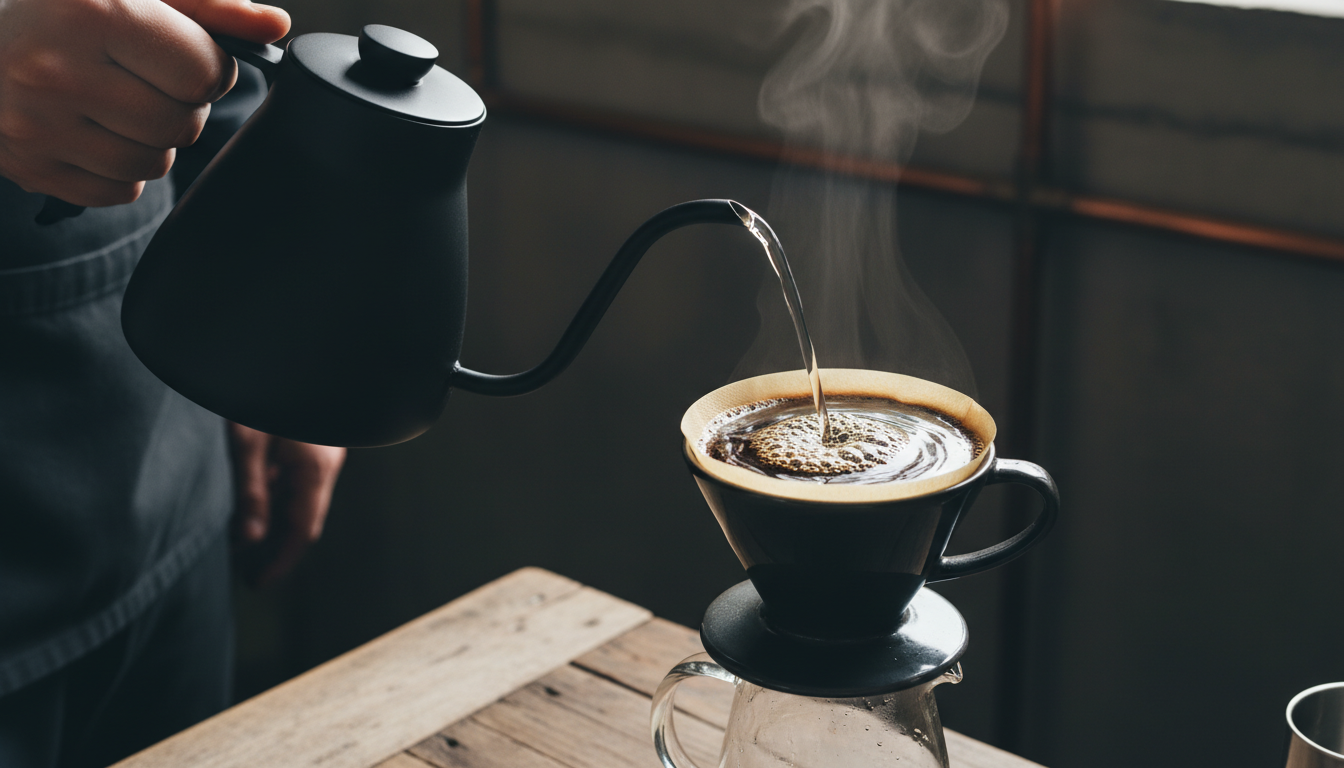
Blooming phase (first 30-45 seconds of brewing) saturates grounds with small water amount, releasing carbon dioxide and preparing grounds for full extraction. Use 2x coffee weight in water for bloom phase. Slightly longer bloom (45 seconds) beneficial for fresh beans; shorter bloom acceptable for aged beans.
The bloom phase represents coffee's first critical extraction moment. Proper blooming ensures even water saturation, consistent extraction, and optimal flavor development. Many home baristas overlook blooming—understanding its importance dramatically improves cup quality.
Carbon dioxide released during blooming affects water flow and extraction rate. Controlling bloom phase yields more consistent, flavorful coffee regardless of brewing method.
Why Blooming Matters
CO₂ Release and Its Effects
- • Fresh roasted coffee contains trapped CO₂
- • CO₂ escapes over time (peaks 1-3 weeks post-roast)
- • CO₂ during brewing prevents water contact with some grounds
- • Blooming forces CO₂ out before main extraction
- • This ensures even water saturation and consistent extraction
Extraction Consistency Benefits
- • Even water contact prevents under-extraction
- • Blooming eliminates "volcano" effect (water channels)
- • Creates uniform saturation for controlled extraction
- • Results in more predictable, repeatable coffee
- • Reduces shot-to-shot variability
Flavor Development Impact
- • Proper blooming enables fuller flavor extraction
- • Balanced extraction avoids sour/bitter extremes
- • Coffee complexity and clarity improve noticeably
- • Body and mouthfeel develop more completely
- • Finish becomes cleaner and more pleasant
Blooming Technique by Method
Pour-Over Blooming
Pour water (twice coffee weight) slowly, saturating all grounds evenly. Example: 20g coffee + 40g bloom water. Wait 30-45 seconds. Watch for coffee "awakening" (small bubbles rising). Then proceed with main pour.
French Press Blooming
Add small amount of water (twice coffee weight) to grounds. Stir gently to saturate. Wait 30-45 seconds. Then add remaining water. Bloom preps grounds for immersion steeping.
Espresso Blooming
Pre-infusion (pressure blooming) less common in home machines but increasingly available. If available, use 2 bars pressure for 5-10 seconds before full extraction. Not critical if unavailable.
AeroPress Blooming
Add small water amount, stir to break surface crust. Wait 30 seconds. Then proceed with brewing. Optional but beneficial for extraction optimization.
Cold Brew (Different Approach)
Cold brewing requires extended steeping—blooming less critical. However, initial water contact helps grounds release flavors gradually during 12-24 hour steeping.
Bloom Phase Variables
Bloom Duration Guidelines
- Fresh beans (1-3 weeks post-roast): 45 seconds bloom
- Medium-age beans (3-6 weeks): 30-45 seconds
- Aged beans (6+ weeks): 20-30 seconds
- General rule: Fresher beans need longer bloom (more CO₂)
- Observation: Watch for CO₂ bubbles as indicator
Water Temperature During Bloom
- • Use same temperature as main brewing (195-205°F)
- • Hot water expedites CO₂ release
- • Consistent temperature throughout bloom critical
- • Don't use boiling water (212°F)—too harsh
- • Allow cooled water 30-45 seconds before blooming
Related Brewing Guides
Sources
1. Specialty Coffee Association. "Bloom Phase and CO₂ Release Science 2026." 2026.
2. Perfect Daily Grind. "Blooming Technique Complete Guide 2026." 2026.
3. Hoffmann, J. "Bloom Phase Extraction Optimization." 2026.
4. Coffee Science Institute. "CO₂ Degassing and Water Saturation." 2026.
5. National Coffee Association. "Brewing Standards and Extraction Optimization 2026." 2026.