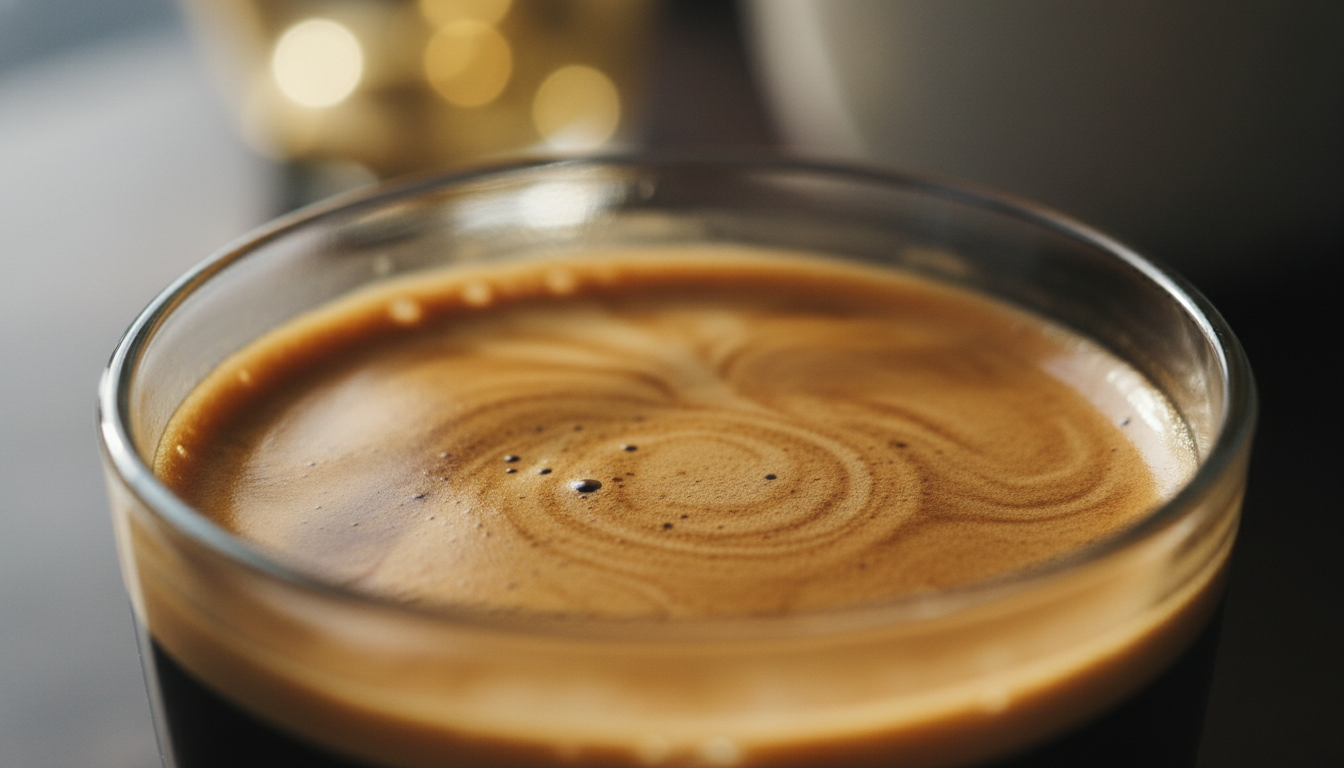
Close-up of espresso extraction showing rich crema
Buying Guide

Espresso Machine Types Explained

Navigate the four main categories of espresso machines and discover which type matches your skill level, lifestyle, and coffee goals.

4

Main Machine Types

$150+

Entry-Level Price

1-4 Weeks

Typical Learning Curve

5-15 Years

Expected Lifespan

Quick Answer: The Four Main Types

Manual Lever: Full control over pressure and extraction. Requires skill but offers ultimate customization.

Semi-Automatic: Pump-driven pressure with manual start/stop control. The most popular choice for home baristas.

Automatic: Volumetric dosing automates shot volume while maintaining grinder and tamping control.

Super-Automatic: Grind-to-cup convenience with built-in grinder and automated milk systems. Push-button operation.

💡 Most home users should choose semi-automatic for the optimal balance of control and learning opportunity.

Why Understanding Machine Types Matters

Choosing the right espresso machine type is the foundation of your home coffee journey. Each category represents a different philosophy about the relationship between the barista and the machine—from total manual control to fully automated convenience.

Your choice affects not only your daily routine but also your learning curve, maintenance responsibilities, and the quality ceiling of your espresso. Understanding these differences prevents costly mismatches between expectations and reality.

✓ What You'll Learn:

  • • Key differences between the four main types
  • • Control levels and learning curves for each
  • • Price ranges and total cost of ownership
  • • Which type suits different user profiles
  • • Brief overview of heating system types

Espresso Machine Comparison Matrix

Compare the four main espresso machine types across key factors including control level, learning requirements, and maintenance needs.

Machine Type Control Level Learning Curve Price Range Best For Maintenance
Manual Lever Total Steep (weeks-months) $150-$2,000+ Enthusiasts, hobbyists Low
Semi-Automatic High Moderate (1-4 weeks) $200-$3,000+ Most home baristas Moderate
Automatic Medium Low (few days) $400-$2,500+ Convenience + some control Moderate
Super-Automatic Low None $500-$3,000+ Convenience seekers High

Manual Lever Espresso Machines

Manual lever machines represent espresso in its purest form—no pumps, no electronics, just you, a lever, and the coffee.

How They Work

Manual lever machines use a spring or direct lever mechanism to generate extraction pressure. You pull the lever down to raise a piston, which creates a vacuum that draws water into the chamber. Releasing the lever forces water through the coffee puck at pressure you control through lever speed and force.

Spring lever machines maintain more consistent pressure through the spring's return motion, while direct lever machines give you complete real-time control over pressure profiling. This allows for pre-infusion at low pressure followed by full extraction pressure—techniques that can extract flavors impossible to achieve with standard pump machines.

✓ Advantages

  • • Complete control over pressure profiling
  • • No electricity required (portable options)
  • • Silent operation
  • • Mechanical simplicity = reliability
  • • Lower long-term maintenance costs

✗ Considerations

  • • Steep learning curve (weeks to months)
  • • Inconsistent results while learning
  • • Requires physical effort
  • • No milk steaming on most models
  • • Temperature management challenges

Popular Models:

Flair Espresso ($150-500) • Cafelat Robot ($300-400) • La Pavoni Europiccola ($700-1,000) • Elektra Microcasa ($1,500-2,000)

Semi-Automatic Espresso Machines

The sweet spot for most home baristas—automated pressure and temperature with manual control over extraction timing.

How They Work

Semi-automatic machines use an electric pump (vibration or rotary) to generate consistent 9-bar extraction pressure. You control when the extraction starts and stops via a button or switch, while the machine maintains stable water temperature through thermostats, PID controllers, or boiler systems.

The Specialty Coffee Association considers semi-automatic machines the standard platform for learning espresso fundamentals. They provide enough automation for consistency while requiring you to master grind size, dose, distribution, tamping, and extraction timing—the core skills of espresso preparation.

✓ Advantages

  • • Consistent pump pressure
  • • Wide price range ($200-3,000+)
  • • Room to grow and upgrade
  • • Large community and support
  • • Steam wands for milk drinks
  • • Best quality-to-price ratio

✗ Considerations

  • • Requires separate grinder investment
  • • Learning curve (1-4 weeks typical)
  • • Daily preparation routine
  • • Regular cleaning required
  • • Counter space for grinder + machine

Popular Models:

Breville Bambino Plus ($500) • Gaggia Classic Pro ($450) • Breville Barista Express ($750) • Rancilio Silvia ($800) • Profitec Pro 300 ($1,600) • Breville Dual Boiler ($1,600)

Automatic (Volumetric) Espresso Machines

The middle ground—automated shot volume with preserved control over grind, dose, and other preparation variables.

How They Work

Automatic machines add volumetric dosing to the semi-automatic foundation. You program the desired shot volume (single, double, or custom), and the machine automatically stops extraction when that volume is reached. This eliminates the need to watch and manually stop shots while maintaining all other manual controls.

Some automatic machines also include features like automatic pre-infusion and programmable temperature settings. The key distinction from super-automatic machines is that you still use a separate grinder, dose and tamp manually, and maintain control over the coffee preparation workflow.

✓ Advantages

  • • Consistent shot volumes
  • • Hands-free extraction
  • • Maintain grinder choice flexibility
  • • Faster morning workflow
  • • Good for entertaining guests

✗ Considerations

  • • Less common than semi-automatic
  • • Higher price than equivalent semi-auto
  • • Still requires grinder investment
  • • Less tactile connection to process

Popular Models:

Breville Barista Touch ($1,000) • Rocket Appartamento ($1,700) • Profitec Pro 500 ($2,000) • ECM Synchronika ($2,800)

Super-Automatic Espresso Machines

One-touch convenience from whole bean to finished cup—designed for those who prioritize consistency and speed over hands-on control.

How They Work

Super-automatic machines integrate a grinder, brewing unit, and (usually) milk system into one appliance. You select your drink—espresso, cappuccino, latte—and the machine handles everything: grinding the beans, dosing, tamping, extracting, and frothing milk. The entire process takes 30-90 seconds with no skill required.

Quality varies significantly by price tier. Entry super-automatics ($500-800) produce acceptable coffee with limited customization. Premium models ($1,500-3,000+) offer adjustable grind settings, temperature control, milk foam density options, and drink programmability that approaches semi-automatic quality with zero effort.

✓ Advantages

  • • Push-button simplicity
  • • Consistent results every time
  • • Fast morning routine
  • • No separate grinder needed
  • • Great for offices and entertaining
  • • Minimal skill required

✗ Considerations

  • • Quality ceiling around 70-80% of manual
  • • Higher maintenance complexity
  • • Built-in grinders are often mediocre
  • • Expensive repairs
  • • Less customization flexibility
  • • Higher total cost of ownership

Popular Models:

DeLonghi Magnifica Evo ($600) • Philips 3200 Series ($600) • Jura E8 ($2,000) • Jura Z10 ($3,500)

Which Type Is Right for You?

Match your priorities, lifestyle, and coffee goals to the ideal machine type.

🎯

You want to learn espresso as a craft

Choose: Semi-Automatic — Provides the best platform for learning fundamentals while delivering café-quality results.

You want maximum control over every variable

Choose: Manual Lever — Unmatched control over pressure profiling and extraction dynamics.

⏱️

You want speed with some control

Choose: Automatic — Automated volume dosing speeds up workflow while maintaining grinder flexibility.

You want push-button convenience

Choose: Super-Automatic — Minimal effort, consistent results, perfect for busy lifestyles.

💰

You're on a tight budget

Choose: Manual Lever — Entry-level options like the Flair offer real espresso for $150-200.

🥛

Milk drinks are your priority

Choose: Semi-Automatic or Super-Automatic — Most manual levers lack steaming capability.

Heating System Types (Brief Overview)

Beyond machine type, the heating system significantly impacts temperature stability and steam power. Here's a quick reference:

Thermoblock

Rapid heat-up (30-60 seconds). Water passes through heated metal block. Common in entry-level machines. Less temperature stability but convenient for occasional use.

Single Boiler

One boiler for both brewing and steaming. Must switch between modes. Good temperature stability for brewing. Requires waiting between shots and steaming.

Heat Exchanger

Single large boiler with separate heat exchanger tube for brewing. Can brew and steam simultaneously. Popular in prosumer machines. Requires cooling flushes.

Dual Boiler

Separate boilers for brewing and steaming. Ultimate temperature stability. Simultaneous brewing and steaming. Higher price point. Best for serious enthusiasts.

Ready to Choose Your Machine?

Now that you understand the different espresso machine types, explore our detailed buying guides to find the perfect match for your budget and skill level.

View Beginner Recommendations