Detailed Machine Reviews
We tested dozens of machines to find the best options for beginners. Here are our top picks based on ease of use, reliability, and value for money.
1. Breville Bambino Plus
Beginners wanting convenience and consistency
Pros:
- • 3-second heat up time
- • Auto steam wand for perfect milk
- • Consistent shot quality
- • Compact footprint
- • Easy to use and clean
Cons:
- • No built-in grinder
- • Small water tank
- • Limited customization
Bottom Line: Perfect for beginners who want beginners wanting convenience and consistency. The Breville Bambino Plus offers excellent value and reliability for starting your espresso journey.
2. DeLonghi Dedica Style EC685
Small spaces and tight budgets
Pros:
- • Ultra-slim design
- • 15 bar pressure system
- • Good temperature stability
- • Manual steam wand
- • Great value for money
Cons:
- • Plastic construction
- • No pressure gauge
- • Small portafilter
- • Learning curve
Bottom Line: Perfect for beginners who want small spaces and tight budgets. The DeLonghi Dedica Style EC685 offers excellent value and reliability for starting your espresso journey.
3. Breville Barista Express
All-in-one convenience
Pros:
- • Built-in conical burr grinder
- • Integrated tamper
- • Dose control grinding
- • Auto steam wand
- • Great for learning
Cons:
- • Large footprint
- • Grinder could be better
- • Complex maintenance
Bottom Line: Perfect for beginners who want all-in-one convenience. The Breville Barista Express offers excellent value and reliability for starting your espresso journey.
4. Gaggia Classic Pro
Enthusiasts wanting to learn proper technique
Pros:
- • Commercial-grade components
- • Excellent steam power
- • Rock-solid build quality
- • Great temperature stability
- • Highly upgradeable
Cons:
- • Manual operation only
- • Steep learning curve
- • No built-in grinder
- • Requires separate accessories
Bottom Line: Perfect for beginners who want enthusiasts wanting to learn proper technique. The Gaggia Classic Pro offers excellent value and reliability for starting your espresso journey.
5. Rancilio Silvia
Serious beginners planning long-term
Pros:
- • Commercial-grade build
- • Professional quality components
- • Excellent temperature stability
- • Powerful steam wand
- • Built to last decades
Cons:
- • Expensive for beginners
- • No automation features
- • Requires skill development
- • Large footprint
Bottom Line: Perfect for beginners who want serious beginners planning long-term. The Rancilio Silvia offers excellent value and reliability for starting your espresso journey.
Beginner's Buying Guide
Choosing your first espresso machine can be overwhelming. Here's how to navigate the options and find the perfect machine for your needs and budget.
Budget Machines
Price Range
$200-400
Key Features
- • Basic automation
- • Manual steam
- • Smaller footprint
Best For
Testing the waters, small spaces
Top Recommendations
- • DeLonghi Dedica
- • Breville Bambino Plus
Who Should Buy
Perfect for testing the waters without major investment. Great for small apartments and occasional use.
Mid-Range Machines
Price Range
$400-700
Key Features
- • Better build quality
- • More automation
- • Consistent results
Best For
Serious beginners, daily use
Top Recommendations
- • Gaggia Classic Pro
- • Breville Barista Express
Who Should Buy
Ideal for serious beginners planning daily use. Offers the best balance of features and value.
Premium Beginner Machines
Price Range
$700-1,000
Key Features
- • Commercial components
- • Professional results
- • Long-term investment
Best For
Coffee enthusiasts, long-term hobby
Top Recommendations
- • Rancilio Silvia
- • Breville Infuser
Who Should Buy
For coffee enthusiasts who want professional results and plan to upgrade skills over time.
Budget Planning Tips
- • Plan for 20-30% extra for accessories and initial coffee supply
- • Consider a separate grinder if your machine doesn't include one
- • Factor in ongoing costs: beans, cleaning supplies, maintenance
- • Don't forget about a quality tamper and scale
- • Set aside budget for potential upgrades within 12-18 months
Key Features to Look For
Not all features are created equal. Here's what actually matters for beginners and what you can safely ignore.
Essential Features
Temperature Control
Look for PID temperature control or at least good thermal stability. Consistent temperature is crucial for good espresso and makes learning much easier.
Pressure System
9 bars is standard. Some machines offer adjustable pressure, but beginners should stick with standard 9-bar extraction.
Steam Wand
Auto steam wands are great for beginners, but manual wands teach valuable skills. Consider your preference for convenience vs. learning.
Build Quality
Stainless steel components last longer than plastic. Look for solid group heads and quality portafilters.
Nice-to-Have Features
Built-in Grinder
Convenient for beginners, but standalone grinders usually offer better quality. Consider your space and budget constraints.
Programmable Shots
Helps with consistency but can hinder learning. Manual control is often better for developing skills.
Pressure Gauges
Helpful for learning but not essential. Many experienced baristas rely on taste and visual cues.
Display Screens
Modern convenience but not necessary for making great espresso. Focus on core functionality first.
Features to Skip (For Now)
- • Dual boilers (overkill for beginners)
- • Flow control (advanced technique)
- • Pre-infusion settings (learn manual first)
- • Multiple temperature profiles (master one first)
Common Beginner Mistakes
Avoid these common pitfalls that frustrate many new espresso enthusiasts. Learning from others' mistakes will save you time and money.
Mistake 1: Buying Too Cheap
Machines under $200 often lack the pressure and temperature stability needed for good espresso. They're frustrating and lead many people to quit.
Solution: Budget at least $300 for a quality entry-level machine. The DeLonghi Dedica at $279 is the absolute minimum for decent results.
Mistake 2: Skipping the Grinder
Pre-ground coffee goes stale within hours. A quality grinder is more important than the espresso machine itself.
Solution: Budget $150-300 for a burr grinder, or choose a machine with a built-in grinder like the Barista Express.
Mistake 3: Wrong Expectations
Many expect perfect espresso immediately. There's a learning curve, and your first shots will likely be disappointing.
Solution: Plan for 2-4 weeks of learning. Watch tutorials, practice daily, and don't get discouraged by early failures.
Mistake 4: Poor Coffee Quality
Using old, dark-roasted, or low-quality beans guarantees poor results regardless of equipment quality.
Solution: Buy fresh, medium-roast beans from local roasters. Use within 2-4 weeks of roasting date.
Mistake 5: Inconsistent Technique
Changing variables randomly makes it impossible to learn what works. Consistency is key to developing skills.
Solution: Change only one variable at a time. Keep a log of your settings and results to track progress.
Essential Accessories
Your espresso machine is just the beginning. These accessories are crucial for success and will dramatically improve your results.
Must-Have Accessories
Quality Burr Grinder
Price: $150-300
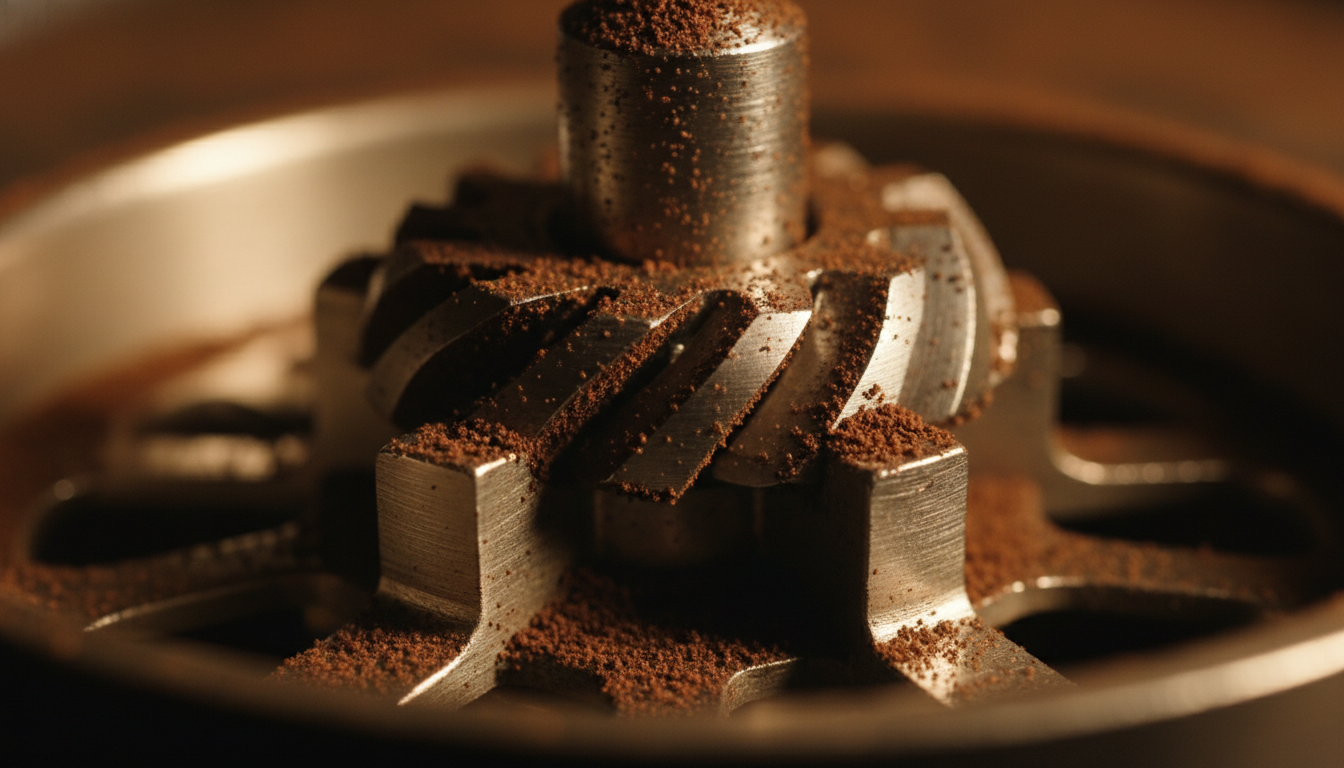
Why essential: Fresh grind is 70% of espresso quality. Conical burr grinders provide consistent particle size.
Digital Scale
Price: $20-50
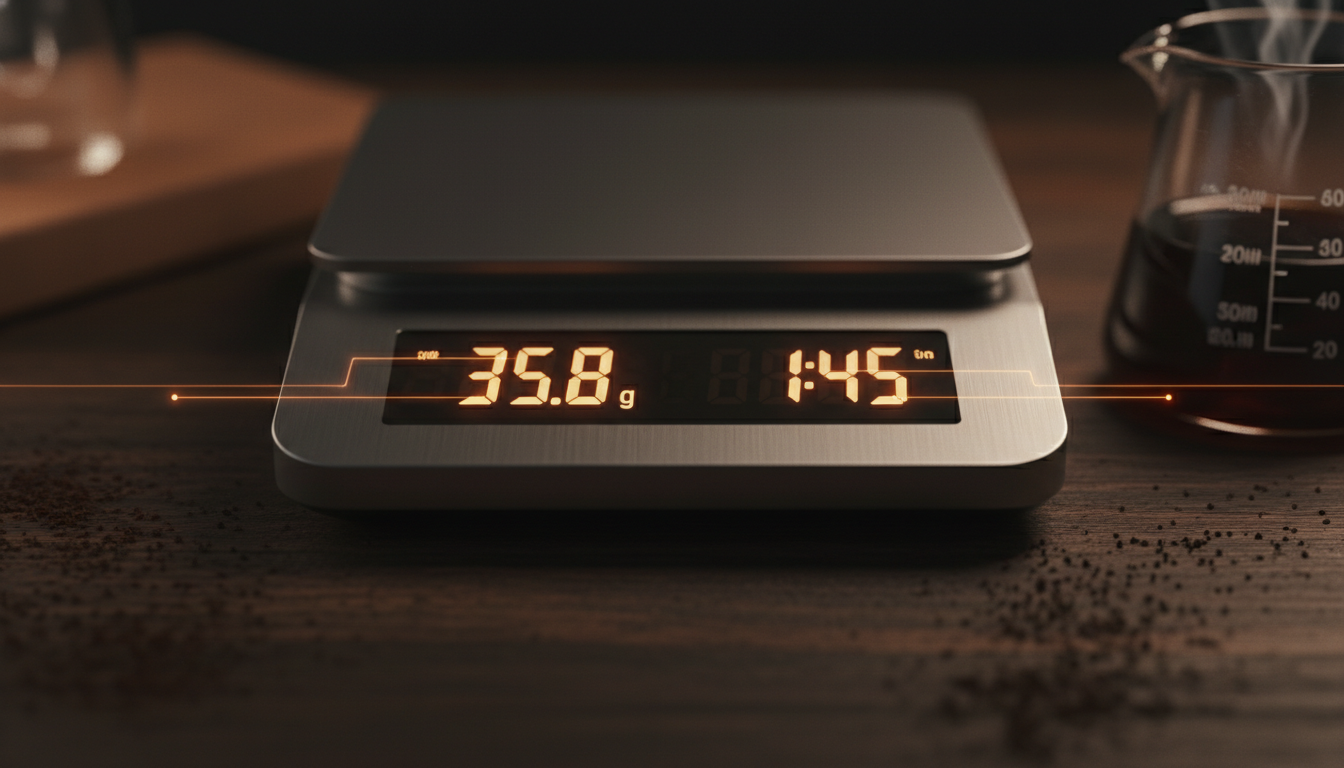
Why essential: Precise dosing (18g standard) and measuring extraction weight. Accuracy is crucial for consistency.
Quality Tamper
Price: $30-80
Why essential: Even pressure distribution. Stock tampers are often poor quality.
Highly Recommended
Milk Pitcher
Price: $15-30
Why needed: Proper shape for milk steaming. 12-20oz size works best for home use.
Cleaning Tools
Price: $20-40
Why needed: Group head brush, cleaning powder, descaler. Regular cleaning prevents issues.
Knock Box
Price: $30-50
Why needed: Clean puck disposal. Makes cleanup much easier and keeps your counter clean.
Accessory Budget Planning
Plan for $200-400 in accessories beyond your machine purchase. Here's a realistic breakdown:
- • Grinder: $200 (if not built-in)
- • Scale: $30
- • Tamper: $50
- • Cleaning supplies: $30
- • Milk pitcher: $20
- • Knock box: $40
- • Total: $370
Budget Considerations
Understanding the true cost of home espresso helps you plan properly and avoid surprises. Here's what to expect at different budget levels.
Under $500 Budget
What You Get:
- • Basic espresso machine
- • Manual operation
- • Decent build quality
- • Learning curve required
Recommended Setup:
- • DeLonghi Dedica: $280
- • Manual grinder: $80
- • Basic accessories: $100
- • Total: $460
Pros & Cons:
Pros: Affordable entry point, teaches fundamentals, surprisingly capable with skill.
Cons: Steep learning curve, requires patience, limited features.
Best for: Testing the waters without major investment.
$500-800 Budget
What You Get:
- • Quality espresso machine
- • Some automation features
- • Better consistency
- • Good long-term investment
Recommended Setup:
- • Breville Bambino Plus: $400
- • Quality grinder: $200
- • Premium accessories: $150
- • Total: $750
Pros & Cons:
Pros: Excellent balance of features and value, easier learning curve, great results.
Cons: Higher initial investment, may want upgrades later.
Best for: Most beginners serious about learning espresso.
$800+ Budget
What You Get:
- • Premium espresso machine
- • Professional-grade components
- • Excellent temperature stability
- • Long-term durability
Recommended Setup:
- • Rancilio Silvia: $795
- • Premium grinder: $300
- • Professional accessories: $200
- • Total: $1,295
Pros & Cons:
Pros: Professional results, built to last, excellent investment, no need to upgrade.
Cons: Expensive, requires skill development, overkill for casual users.
Best for: Coffee enthusiasts planning long-term hobby.
Making Your First Shot
Ready to pull your first shot? Follow this step-by-step guide to maximize your chances of success and build good habits from day one.
Pre-Shot Preparation
1. Warm Up Your Machine
Turn on your machine 15-30 minutes before use. This ensures stable temperature throughout the brewing process.
2. Prepare Your Equipment
Clean your portafilter, warm your cup with hot water, and have everything ready before grinding.
3. Measure Your Beans
Start with 18g of fresh coffee beans. Use your scale for accuracy—eyeballing leads to inconsistent results.
4. Grind Your Coffee
Grind just before brewing. Start with a medium-fine grind—similar to table salt. Adjust finer if shots run too fast, coarser if they choke.
The Shot Process
5. Dose and Distribute
Place grounds in portafilter, distribute evenly with your finger or distribution tool. Don't tap the side—this creates channels.
6. Tamp Evenly
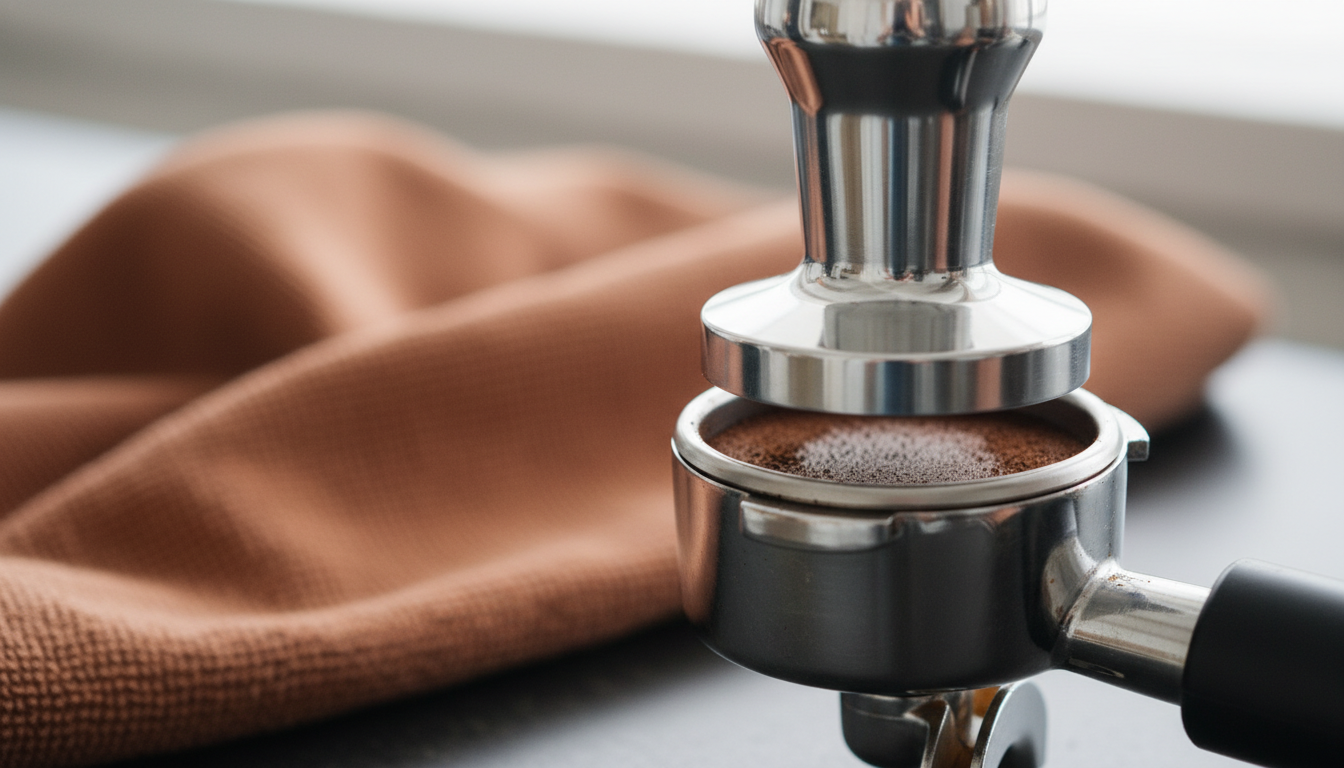
Apply firm, even pressure (about 30lbs). Twist slightly when releasing to polish the surface. Consistency is key.
7. Lock and Purge
Lock portafilter into group head, place cup and scale underneath, purge water for 2 seconds to clean the shower screen.
8. Start Extraction
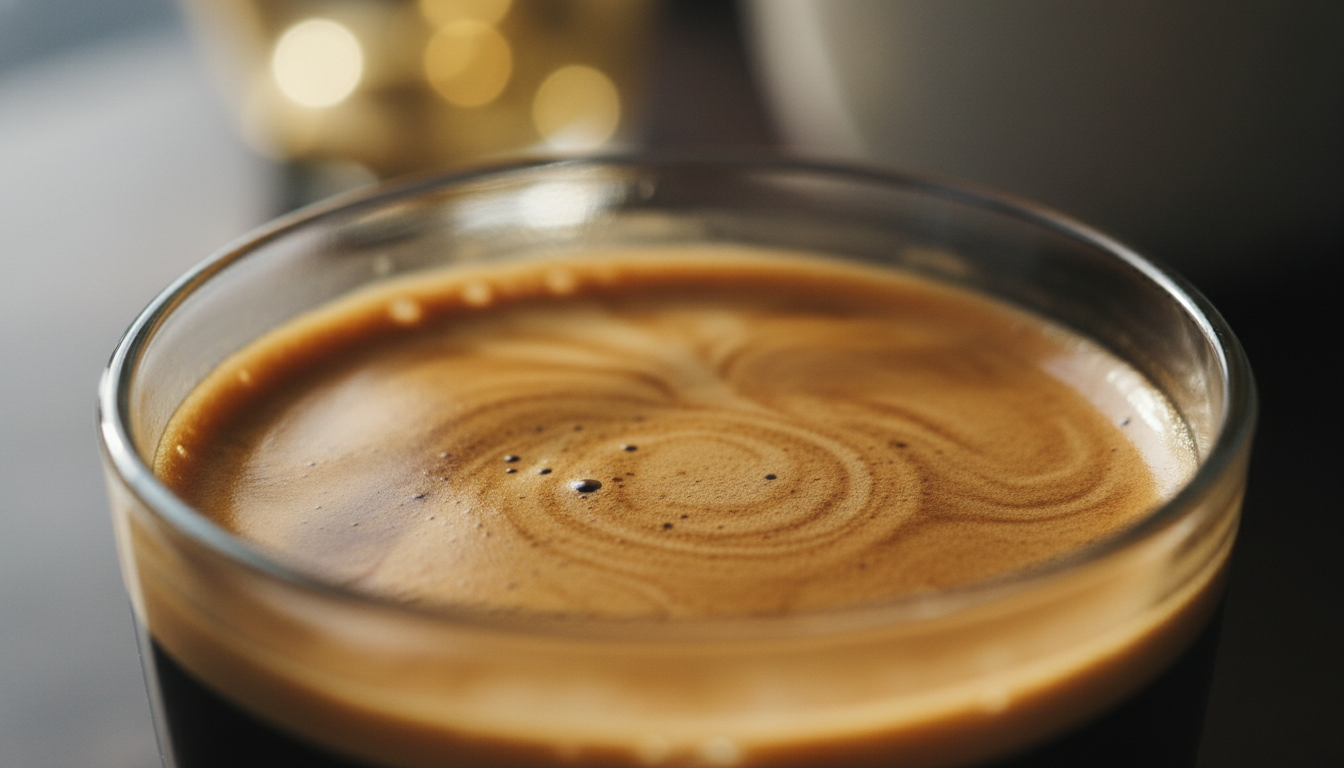
Start shot and timer simultaneously. Aim for 25-30 seconds extraction time, yielding 25-30g of liquid espresso.
9. Observe and Adjust
Watch for blonding (color change from dark brown to blonde). Stop shot when it starts or reaches target weight. Note your settings and results.
Troubleshooting Your First Shots
Too Fast (under 20 seconds):
- • Grind finer
- • Tamp harder
- • Increase dose
Too Slow (over 35 seconds):
- • Grind coarser
- • Tamp lighter
- • Decrease dose
Maintenance Tips for Longevity
Proper maintenance prevents costly repairs and ensures consistent performance. Build these habits from day one.
Daily Maintenance
- • Purge group head: 2 seconds before and after each shot
- • Wipe steam wand: Immediately after each use, then purge
- • Rinse portafilter: Hot water rinse after each shot
- • Empty drip tray: When full, wipe clean
- • Wipe exterior: Quick wipe down to prevent stains
Time investment: 2-3 minutes daily
Weekly Maintenance
- • Backflush: Clean water backflush (if machine has 3-way valve)
- • Clean shower screen: Remove and scrub with brush
- • Deep clean portafilter: Soak in hot water
- • Clean steam wand tip: Remove and soak if needed
- • Check water tank: Empty and refill fresh water
Time investment: 15-20 minutes weekly
Monthly & Annual Maintenance
Monthly Tasks:
- • Deep clean with detergent
- • Descale if water is hard
- • Clean grinder burrs
- • Check all seals and gaskets
Annual Tasks:
- • Professional service (recommended)
- • Replace group head gasket
- • Check pump pressure
- • Lubricate moving parts