The 10 Most Common Mistakes
These mistakes account for 90% of beginner frustration. Learn to recognize and fix them, and you'll accelerate your learning curve dramatically.
Using Pre-Ground Coffee
Why It's Bad:
Coffee loses 70% of aroma within 15 minutes of grinding. Pre-ground coffee is stale and cannot produce good espresso.
Quick Fix:
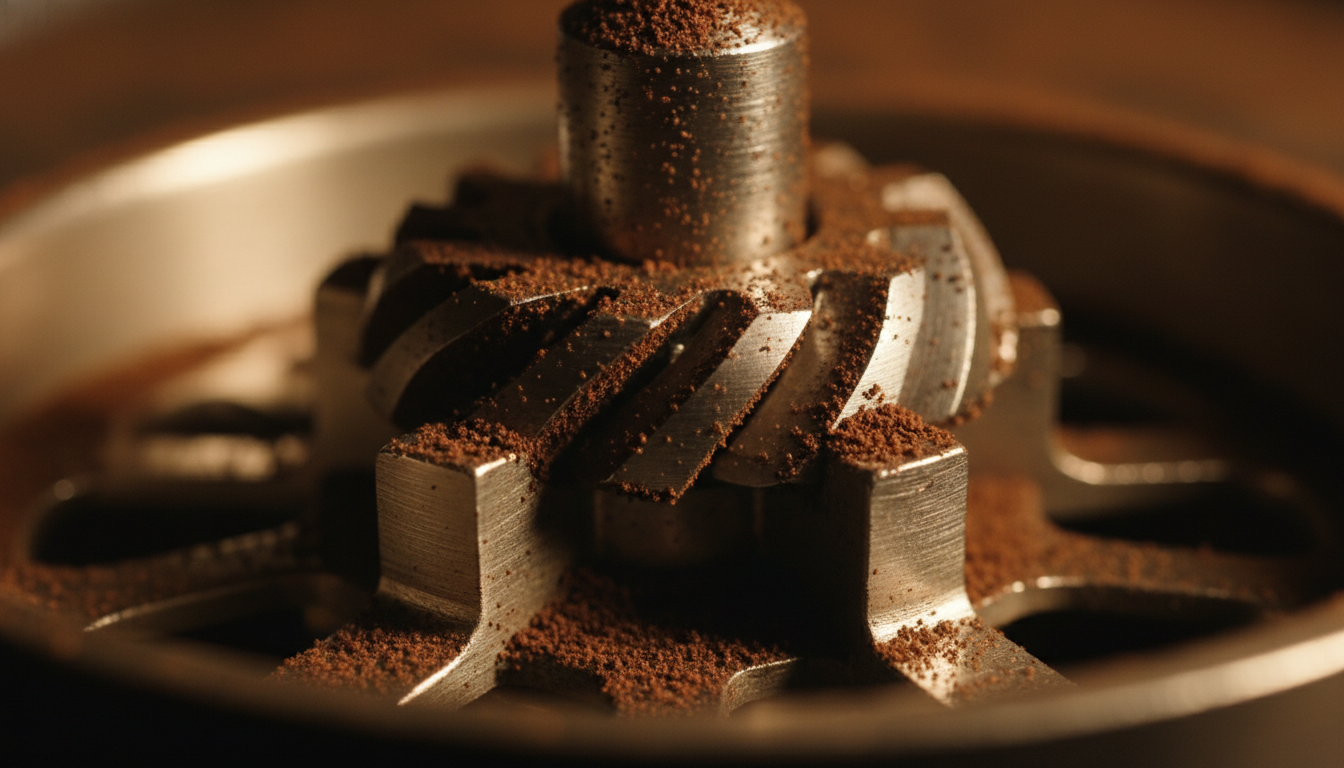
Buy a quality burr grinder and grind immediately before brewing. Fresh grind is the single most important factor for good espresso.
Prevention:
Invest in grinder before upgrading machine. Store beans properly and only grind what you need for each shot.
Wrong Grind Size
Why It's Bad:
Grind size controls extraction speed. Too fine = bitter, too coarse = sour. Most beginners start too coarse.
Quick Fix:
Start with medium-fine grind (like table salt). Adjust in small increments - one number at a time on most grinders.
Prevention:
Keep a grind log. Note what works and build from there. Don't make multiple adjustments at once.
Inconsistent Dosing
Why It's Bad:
Without precise dosing, you can't achieve consistency. Eyeballing leads to 2-3g variation which dramatically affects taste.
Quick Fix:
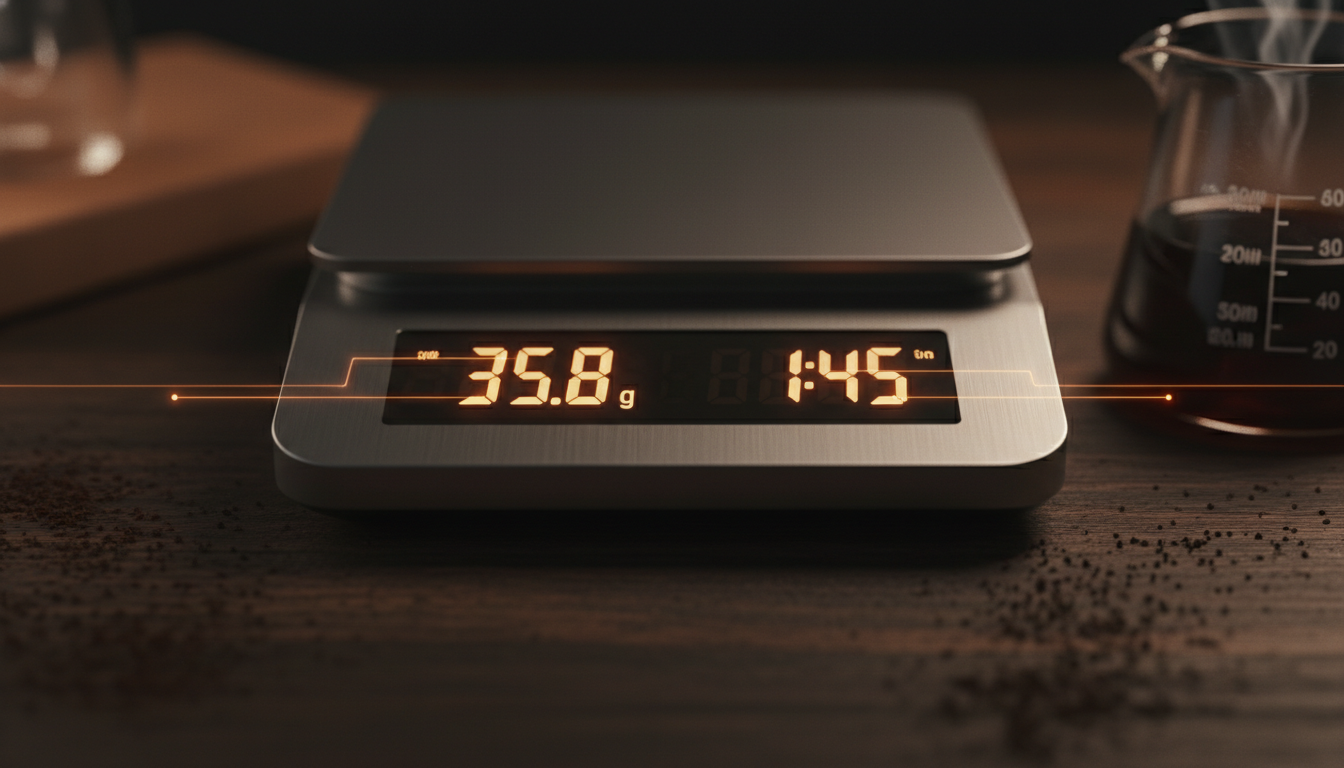
Use a 0.1g precision scale. Start with 18g for most machines. Weigh every dose before grinding.
Prevention:
Make weighing part of your routine. Keep scale accessible and use it for every shot.
Poor Tamping Technique
Why It's Bad:
Uneven pressure creates channels where water flows through too quickly in some areas and too slowly in others.
Quick Fix:
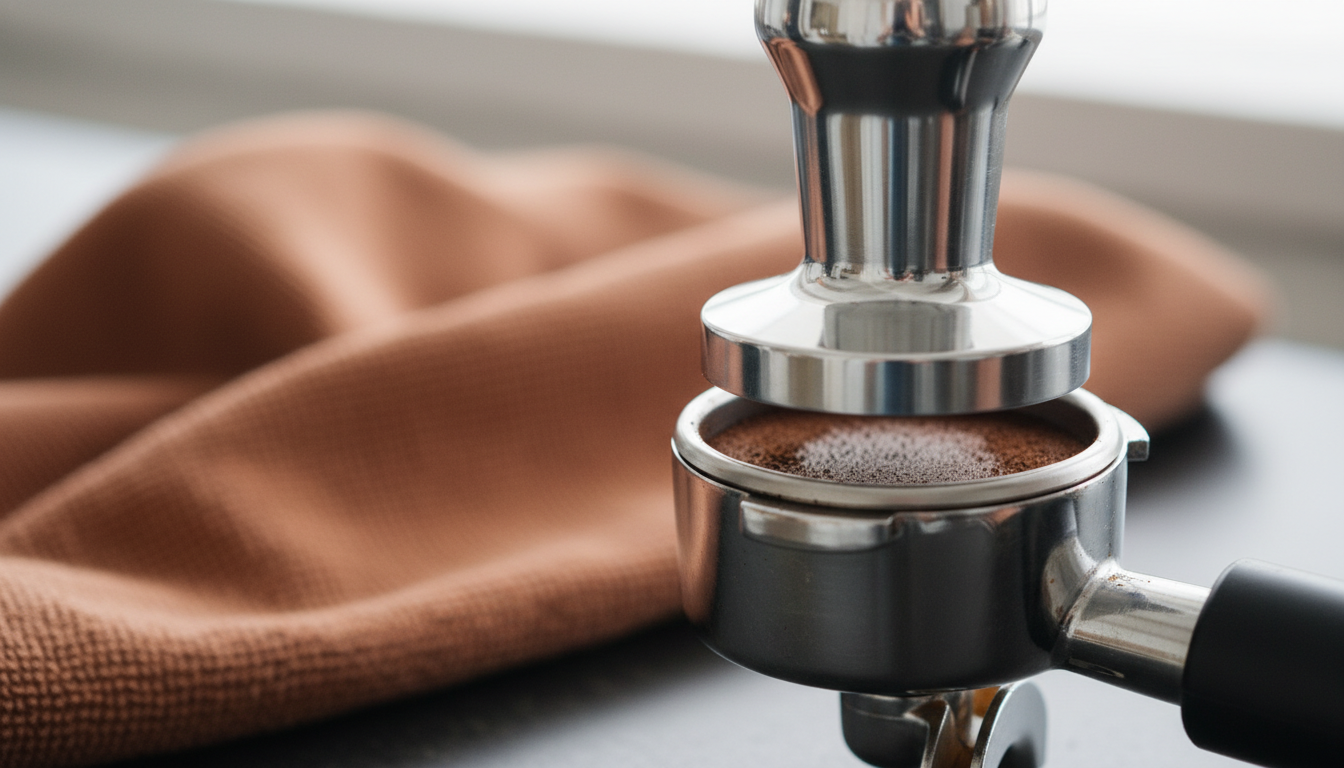
Apply firm, even pressure (about 30lbs). Use a level surface. Twist slightly when releasing to polish the surface.
Prevention:
Practice with dry grounds first. Use a tamping mat for stability. Consider a calibrated tamper for consistency.
Cold Equipment
Why It's Bad:
Cold group head and portafilter steal heat from the water, resulting in under-extraction and sour taste.
Quick Fix:
Turn on machine 15-20 minutes before use. Run a blank shot through warm portafilter. Lock portafilter in empty for 2 minutes.
Prevention:
Make pre-heating part of your routine. Use a timer to remind you when to start pre-heating.
Wrong Water Temperature
Why It's Bad:
Water that's too hot burns coffee (bitter), too cold under-extracts (sour). Most machines run hot without proper management.
Quick Fix:
Aim for 195-205°F (90-96°C). Use cooling flushes if machine runs hot. Let machine stabilize between shots.
Prevention:
Learn your machine's temperature patterns. Keep a log of temperature vs taste results.
Ignoring Extraction Time
Why It's Bad:
Extraction time tells you if your shot is properly balanced. Most beginners stop shots too early or too late.
Quick Fix:
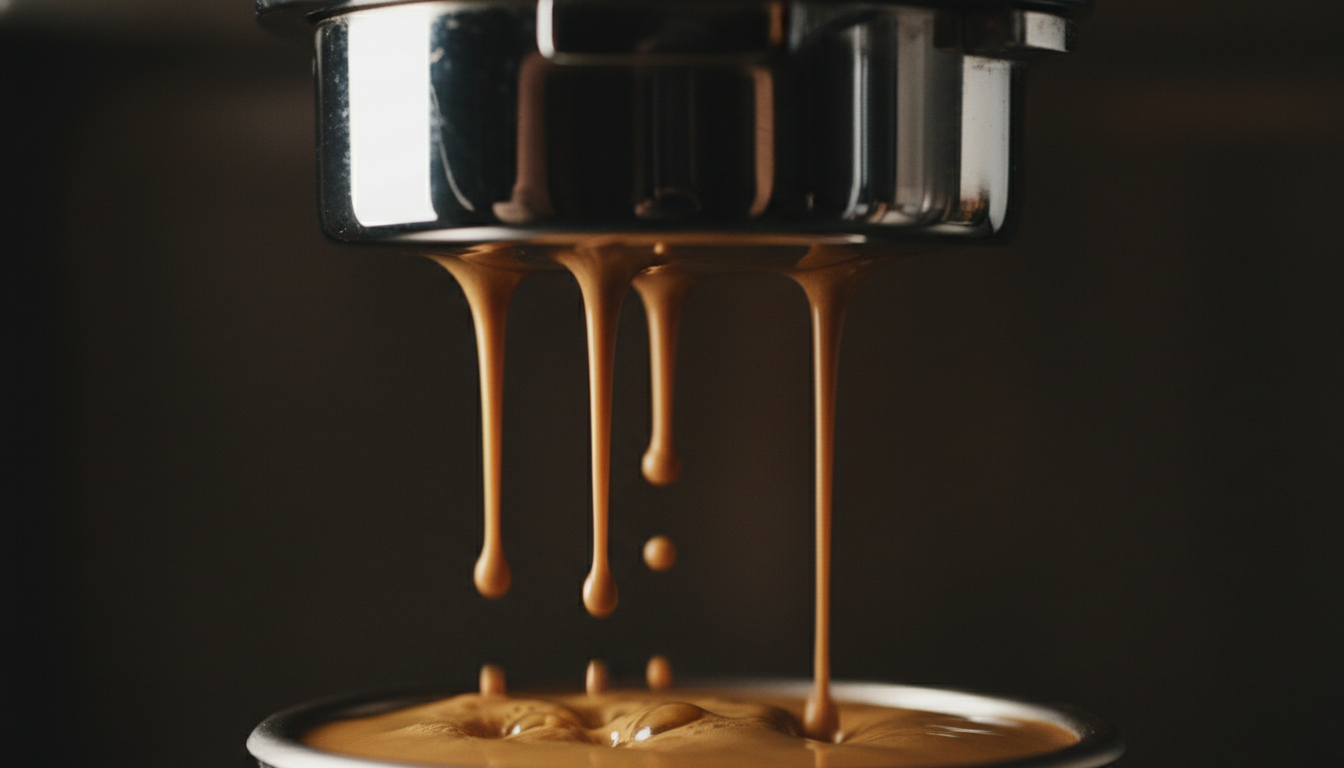
Aim for 25-30 seconds from first drip. Use a timer. Stop shot when it starts blonding (turns pale yellow).
Prevention:
Always use a timer. Learn to recognize visual cues alongside time measurements.
Using Stale Beans
Why It's Bad:
Coffee peaks 7-21 days after roasting, then declines rapidly. Most grocery store coffee is months old.
Quick Fix:
Buy from local roasters with roast dates. Use within 4 weeks of roasting. Store in airtight container away from light.
Prevention:
Build relationships with local roasters. Subscribe to fresh coffee delivery. Learn to recognize stale coffee.
Poor Distribution
Why It's Bad:
Uneven coffee distribution creates pockets where water flows unevenly, causing channeling and inconsistent extraction.
Quick Fix:
Use Weiss Distribution Technique (WDT) with a needle tool. Tap portafilter gently to settle grounds. Level surface before tamping.
Prevention:
Make distribution part of your routine. Practice with different techniques to find what works for you.
Changing Too Many Variables
Why It's Bad:
Changing grind, dose, and tamp simultaneously makes it impossible to identify what caused the result.
Quick Fix:
Change only one variable at a time. Keep detailed notes of every shot and every adjustment.
Prevention:
Use a shot log template. Be methodical and patient. Document everything before making changes.
Quick Troubleshooting Guide
When something goes wrong, use this matrix to quickly identify the likely cause and solution. Work through the possibilities systematically.
Shot runs too fast (under 20 seconds)
Possible Causes:
- • Grind too coarse
- • Dose too low
- • Tamp too light
- • Channeling
- • Machine temperature too low
Solutions (try in order):
- • Grind one setting finer
- • Increase dose by 1g
- • Tamp with more pressure
- • Improve distribution technique
- • Ensure proper pre-heating
Shot runs too slow (over 35 seconds)
Possible Causes:
- • Grind too fine
- • Dose too high
- • Tamp too hard
- • Dirty equipment
- • Machine temperature too high
Solutions (try in order):
- • Grind one setting coarser
- • Decrease dose by 1g
- • Reduce tamping pressure
- • Clean machine thoroughly
- • Use cooling flush if needed
Sour, acidic taste
Possible Causes:
- • Under-extraction
- • Water temperature too low
- • Grind too coarse
- • Stale coffee beans
- • Channeling
Solutions (try in order):
- • Extend extraction time
- • Increase temperature
- • Grind finer
- • Use fresh beans
- • Improve distribution
Bitter, burnt taste
Possible Causes:
- • Over-extraction
- • Water temperature too high
- • Grind too fine
- • Dark roast beans
- • Dirty equipment
Solutions (try in order):
- • Shorten extraction time
- • Decrease temperature
- • Grind coarser
- • Try medium roast beans
- • Clean machine thoroughly
Troubleshooting Workflow
- 1. Identify the symptom: Fast shot, slow shot, sour, bitter?
- 2. Check the basics: Fresh beans? Proper dose? Clean equipment?
- 3. Change one variable: Adjust grind first (most common issue)
- 4. Test and evaluate: Did it help? Get closer or further?
- 5. Repeat if needed: Move to next variable if first didn't work
Realistic Learning Timeline
Understanding what to expect at each stage prevents frustration and helps you set realistic goals. Here's what your learning journey should look like.
Basic routine and consistency
Key Goals:
- • Master basic workflow
- • Achieve consistent dosing
- • Learn proper tamping
- • Understand extraction time
Success Metrics:
Consistent dose ±0.5g, extraction time 20-40 seconds
What to Expect:
Shots will be inconsistent. Focus on routine, not perfection. Expect 50% failure rate.
Focus Areas:
Master the basic routine. Don't worry about perfect shots - focus on doing the same thing every time.
Dialing in and taste development
Key Goals:
- • Dial in basic recipes
- • Recognize under/over extraction
- • Adjust grind effectively
- • Basic milk steaming
Success Metrics:
Extraction time 25-35 seconds, recognizable crema
What to Expect:
Better consistency, starting to recognize good vs bad shots. 70% success rate.
Focus Areas:
Start developing your palate. Learn to recognize good vs bad extractions by taste and sight.
Refinement and troubleshooting
Key Goals:
- • Consistently good shots
- • Basic latte art
- • Advanced troubleshooting
- • Experiment with different beans
Success Metrics:
Extraction time 25-30 seconds, good crema consistency
What to Expect:
Reliable good shots, developing palate. 85% success rate.
Focus Areas:
Refine your technique. Experiment with different beans and start developing personal preferences.
Advanced techniques and consistency
Key Goals:
- • Professional-level consistency
- • Complex milk drinks
- • Bean pairing knowledge
- • Equipment optimization
Success Metrics:
Extraction time 27-29 seconds, complex flavor development
What to Expect:
Consistently excellent shots, confident troubleshooting. 95% success rate.
Focus Areas:
Achieve consistency. You should be able to pull good shots reliably and troubleshoot effectively.
Key Milestones to Celebrate
- • Week 2: First decent-tasting shot (even if inconsistent)
- • Week 4: Consistently drinkable shots
- • Week 6: Can reliably dial in new beans
- • Week 8: Basic latte art consistency
- • Week 12: Confident troubleshooting skills
Prevention Strategies
The best way to fix mistakes is to prevent them from happening in the first place. Here are proven strategies to build good habits from day one.
Build Solid Habits
Create a Routine:
- • Same steps in the same order every time
- • Use a checklist for first 50 shots
- • Time your routine to identify bottlenecks
- • Practice the same way consistently
Document Everything:
- • Keep a shot log with all variables
- • Note taste observations for each shot
- • Take photos of good and bad extractions
- • Review your log weekly to identify patterns
Equipment Setup
Optimize Your Workspace:
- • Arrange tools in logical workflow order
- • Keep scale and grinder accessible
- • Ensure good lighting over preparation area
- • Have cleaning tools within easy reach
Pre-Use Preparation:
- • Turn on machine 15-20 minutes early
- • Pre-warm portafilter and cup
- • Check water level and freshness
- • Verify grinder is clean and ready
Mindset and Approach
Adopt a Learning Mindset:
- • Expect failures - they're learning opportunities
- • Focus on process, not just results
- • Celebrate small improvements and consistency
- • Don't compare yourself to experienced baristas
Systematic Problem Solving:
- • Change only one variable at a time
- • Give each change 3-5 shots to evaluate
- • Return to known good settings when experimenting
- • Learn from both successes and failures
Equipment-Related Mistakes
Sometimes the problem isn't your technique - it's how you're using or maintaining your equipment. Here are common equipment mistakes to avoid.
Machine Operation Errors
Temperature Management:
- • Mistake: Not letting machine fully warm up
- • Impact: Sour shots, inconsistent extraction
- • Fix: Pre-heat for 15-20 minutes, use warm portafilter
Pressure Issues:
- • Mistake: Ignoring pressure gauge warnings
- • Impact: Poor extraction, potential damage
- • Fix: Learn your machine's normal pressure range
Steam Wand Problems:
- • Mistake: Not purging before and after use
- • Impact: Watery milk, clogged wand
- • Fix: Always purge 2 seconds before and after
Grinder Mistakes
Grind Quality:
- • Mistake: Using blade grinder or cheap burr grinder
- • Impact: Inconsistent particle size, poor extraction
- • Fix: Invest in quality burr grinder
Grind Adjustment:
- • Mistake: Making huge grind adjustments
- • Impact: Overshooting the sweet spot
- • Fix: Adjust one setting at a time, test thoroughly
Retention Issues:
- • Mistake: Not accounting for grinder retention
- • Impact: Inconsistent doses, stale coffee mixing
- • Fix: Purge grinder between different beans
Accessory Problems
Scale Issues:
- • Mistake: Using kitchen scale instead of precision scale
- • Impact: Inconsistent dosing, poor results
- • Fix: Use 0.1g precision espresso scale
Tamper Problems:
- • Mistake: Using wrong size or poor quality tamper
- • Impact: Uneven extraction, channeling
- • Fix: Use properly sized, quality tamper
Cleaning Neglect:
- • Mistake: Skipping regular cleaning
- • Impact: Poor taste, equipment damage
- • Fix: Follow daily, weekly, monthly cleaning schedule
Technique-Related Mistakes
Even with perfect equipment, poor technique will ruin your shots. Here are the most common technique mistakes and how to fix them.
Preparation Errors
Dosing Mistakes:
- • Error: Eyeballing dose instead of weighing
- • Result: 2-3g variation, inconsistent extraction
- • Fix: Always use scale, weigh before grinding
Distribution Problems:
- • Error: Poor distribution leading to channeling
- • Result: Uneven extraction, fast/slow spots
- • Fix: Use WDT technique, level surface
Tamping Issues:
- • Error: Uneven pressure, wrong angle
- • Result: Channeling, inconsistent shots
- • Fix: Practice on level surface, use consistent pressure
Extraction Errors
Timing Mistakes:
- • Error: Not using timer, stopping too early/late
- • Result: Under/over extraction, poor taste
- • Fix: Always use timer, aim for 25-30 seconds
Yield Problems:
- • Error: Not measuring shot weight
- • Result: Wrong brew ratio, inconsistent strength
- • Fix: Use scale to measure yield, aim for 1:1.5-2 ratio
Observation Failures:
- • Error: Not watching extraction, missing blonding
- • Result: Over-extracted, bitter shots
- • Fix: Watch extraction closely, stop at blonding
Technique Development Plan
Week 1-2 Focus:
- • Consistent dosing
- • Basic tamping
- • Simple workflow
Week 3-4 Focus:
- • Distribution technique
- • Timing extraction
- • Visual observation
Week 5-8 Focus:
- • Advanced distribution
- • Yield control
- • Taste development
Coffee-Related Mistakes
Sometimes the problem isn't your technique or equipment - it's the coffee you're using. Here are common coffee mistakes and how to avoid them.
Bean Selection Errors
Freshness Issues:
- • Mistake: Using old grocery store coffee
- • Problem: Stale coffee lacks aroma and sweetness
- • Solution: Buy from local roasters with roast dates
- • Timeline: Use within 4 weeks of roasting
Roast Level Problems:
- • Mistake: Using dark roasts for learning
- • Problem: Dark roasts mask extraction errors
- • Solution: Start with medium roasts
- • Benefit: Easier to taste under/over extraction
Blend vs Single Origin:
- • Mistake: Using complex single origins initially
- • Problem: Hard to identify technique vs coffee issues
- • Solution: Start with espresso blends
- • Reason: Designed for consistency and forgiveness
Storage and Handling
Storage Mistakes:
- • Error: Storing in refrigerator or freezer
- • Problem: Moisture damage, condensation issues
- • Fix: Store in airtight container at room temp
- • Location: Cool, dark, dry place away from heat
Handling Errors:
- • Error: Opening bag frequently, exposing to air
- • Problem: Rapid oxidation, stale coffee
- • Fix: Transfer to airtight container immediately
- • Practice: Minimize air exposure, use fresh quickly
Quantity Planning:
- • Error: Buying too much coffee at once
- • Problem: Coffee goes stale before use
- • Fix: Buy 1-2 weeks worth at a time
- • Calculation: ~18g per shot × shots per day × 14 days
Coffee Buying Guide for Beginners
- • Start with: Medium roast espresso blends from local roasters
- • Look for: Roast date within last 7-21 days
- • Avoid: Dark roasts, flavored coffee, old grocery store beans
- • Budget: $15-25 per pound for quality espresso beans
- • Storage: Airtight container, room temperature, use within 4 weeks
Recovery Tips
When you make a mistake, don't panic. Here's how to recover quickly and learn from the experience. Every mistake is a learning opportunity.
Immediate Recovery Steps
When a Shot Goes Wrong:
- 1. Stop and observe: What exactly went wrong?
- 2. Document it: Write down all variables and results
- 3. Return to baseline: Go back to settings you know work
- 4. Make one small change: Adjust only one variable
- 5. Test and evaluate: Did the change help or hurt?
Frustration Management:
- • Take a break if you're getting frustrated
- • Remember that even pros have bad shots
- • Focus on consistency, not perfection
- • Celebrate small improvements and learning moments
Learning from Mistakes
Pattern Recognition:
- • Keep a mistake journal to identify patterns
- • Review weekly to spot recurring issues
- • Note what conditions lead to specific problems
- • Track your improvement over time
Building Resilience:
- • Expect 50% failure rate initially
- • Set realistic daily goals (consistency over quality)
- • Practice the same technique until it becomes automatic
- • Learn to troubleshoot without getting emotional
When to Get Help
Self-Help Resources:
- • Online forums and communities
- • Video tutorials for specific techniques
- • Manufacturer guides and support
- • Local coffee shop baristas (often happy to help)
Professional Help:
- • Equipment issues: Contact manufacturer or local repair
- • Technique problems: Consider a barista class or workshop
- • Persistent issues: May need equipment upgrade or replacement
The Growth Mindset
Remember: Every espresso expert was once a beginner struggling with the same mistakes you're facing. The difference is persistence and learning from failures.
Treat each mistake as data point. What did you learn? What will you do differently next time? With this approach, you'll improve faster than you think possible.