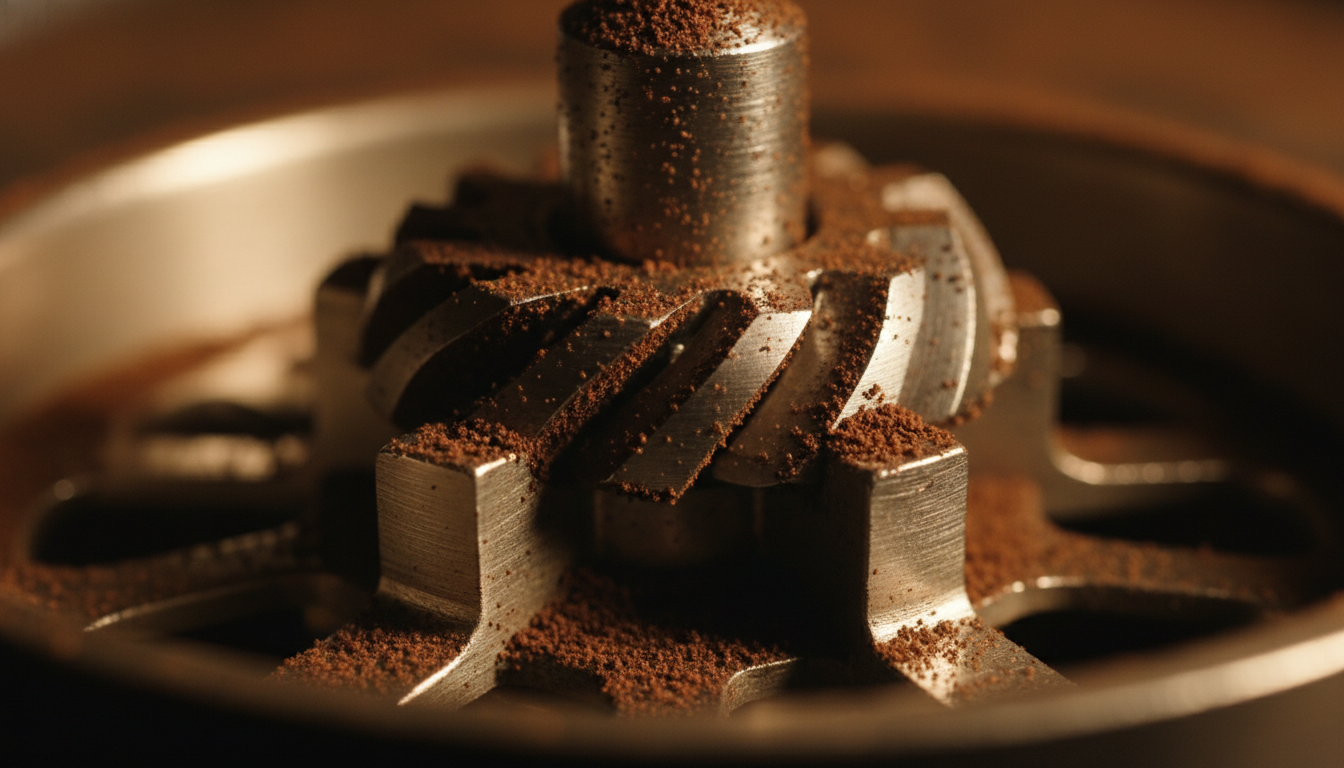
Espresso Dialing In Parameters Chart
| Parameter | Starting Point | Adjustment Range | Effect on Extraction |
|---|---|---|---|
| Grind Size | Manufacturer recommended | Micro-adjustments (±2 steps) | Primary flow rate control |
| Dose (18g basket) | 18.0g | 17.5g - 19.0g | Puck resistance, concentration |
| Dose (20g basket) | 20.0g | 19.0g - 21.0g | Puck resistance, concentration |
| Yield (1:2 ratio) | 36g (from 18g dose) | 32g - 45g | Strength vs. extraction balance |
| Extraction Time | 25-30 seconds | 20-35 seconds | Flavor development control |
| Water Temperature | 200°F (93°C) | 195-205°F (90-96°C) | Extraction efficiency |
| Pre-infusion | 3-5 seconds | 0-10 seconds | Puck saturation, channeling prevention |
The Dialing In Process: Step-by-Step
Phase 1: Establish Fixed Variables
Before adjusting grind, lock these parameters:
- Dose: Choose and maintain consistent dose weight
- Brew Ratio: Select target ratio (1:2 for traditional, 1:2.5 for modern)
- Temperature: Set machine to 200°F (93°C) unless specified otherwise
- Distribution: Use consistent WDT or distribution tool technique
- Tamp Pressure: Apply consistent 30 pounds of pressure
Phase 2: Grind Calibration
Adjust grind to hit timing target:
- Shot under 20 seconds: Grind finer by 1-2 settings
- Shot 20-24 seconds: Grind finer by 1 setting
- Shot 25-30 seconds: Within target range - evaluate taste
- Shot 31-35 seconds: Grind coarser by 1 setting
- Shot over 35 seconds: Grind coarser by 2 settings
Phase 3: Yield Optimization
Fine-tune extraction through yield adjustment:
- Shot tastes sour/thin: Increase yield by 2-4g (extend ratio)
- Shot tastes bitter/harsh: Decrease yield by 2-4g (shorten ratio)
- Shot tastes balanced: Maintain current yield
- Lacks sweetness: Slight yield increase may enhance complexity
Phase 4: Taste Evaluation & Final Adjustment
Use sensory analysis to confirm dialing in:
- Acidity: Bright, pleasant = good; harsh, sour = under-extracted
- Sweetness: Caramel, fruit notes = optimal extraction
- Bitterness: Dark chocolate acceptable; ashy, harsh = over-extracted
- Body: Creamy, substantial = proper extraction; thin = under-extracted
- Aftertaste: Pleasant lingering = success; quick fading = needs work
Dialing In Decision Matrix
| Timing | Taste Profile | Diagnosis | Adjustment |
|---|---|---|---|
| Under 20s | Sour, thin, salty | Under-extracted | Grind finer |
| Under 20s | Bitter, astringent | Channeling/uneven | Check distribution, grind slightly finer |
| 20-24s | Sour, lacking body | Slight under-extraction | Grind finer OR increase yield |
| 25-30s | Balanced, sweet | Optimal extraction | Maintain settings |
| 25-30s | Sour, underdeveloped | Under-extracted | Increase yield by 2-4g |
| 25-30s | Bitter, harsh | Over-extracted | Decrease yield by 2-4g |
| 31-35s | Bitter, dry | Slight over-extraction | Grind coarser |
| Over 35s | Ashy, burnt | Severe over-extraction | Grind coarser significantly |
Shot Timing Reference by Roast Level
| Roast Level | Target Time Range | Optimal Yield Ratio | Temperature |
|---|---|---|---|
| Light Roast | 28-35 seconds | 1:2.2 to 1:2.5 | 201-205°F (94-96°C) |
| Medium Roast | 25-30 seconds | 1:2.0 to 1:2.2 | 200°F (93°C) |
| Medium-Dark Roast | 24-28 seconds | 1:1.8 to 1:2.0 | 198-200°F (92-93°C) |
| Dark Roast | 22-26 seconds | 1:1.5 to 1:1.8 | 195-198°F (90-92°C) |
Common Dialing In Mistakes
Mistake 1: Changing Multiple Variables
Problem: Adjusting grind, dose, and yield simultaneously
Solution: Change only one parameter at a time; test and record results
Mistake 2: Ignoring Bean Age
Problem: Using the same parameters for 3-day-old vs 3-week-old beans
Solution: Fresher beans need finer grinds; older beans need coarser grinds
Mistake 3: Judging by Appearance Only
Problem: Relying solely on crema color and volume
Solution: Taste every shot; crema is not a reliable quality indicator
Quick Reference: Dialing In Checklist
- ☐ Weigh dose accurately (±0.1g precision)
- ☐ Distribute grounds evenly (WDT recommended)
- ☐ Tamp level with consistent pressure
- ☐ Purge grinder after any adjustment
- ☐ Time extraction from pump activation
- ☐ Weigh yield for accurate ratio calculation
- ☐ Taste and evaluate immediately
- ☐ Record final parameters in notebook