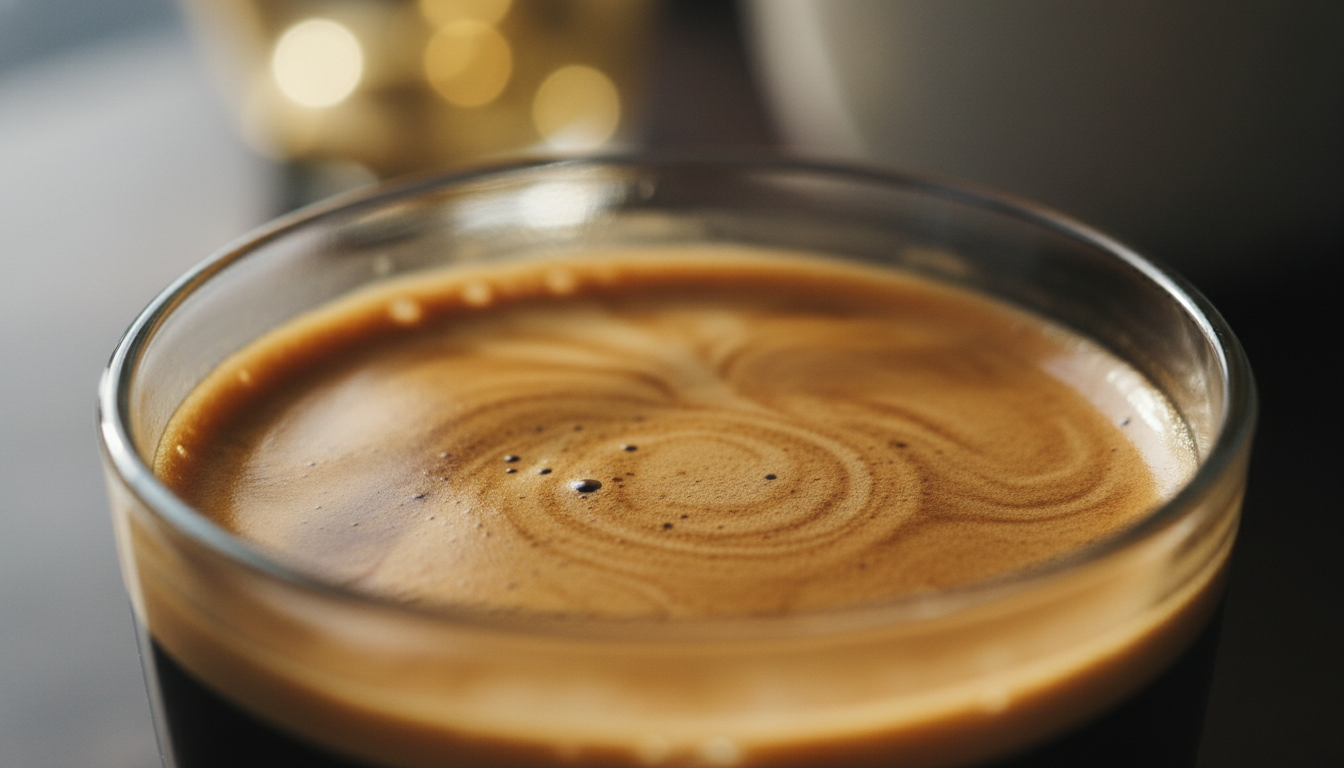
Why Espresso Tastes Bitter and How to Fix Bitter Espresso
The 7 most common causes of bitter espresso — and the exact adjustment to fix each one
Quick Answer: Fix Bitter Espresso
Bitter espresso is caused by over-extraction. The most common fix for bitter espresso is coarsening the grind by 1-2 steps. If bitter espresso persists, reduce brew temperature by 2-3°F, shorten extraction time, or decrease the coffee dose by 0.5g.
7 Causes of Bitter Espresso (and How to Fix Each One)
1. Espresso Grind Is Too Fine (Most Common Cause of Bitter Espresso)
An overly fine espresso grind forces water through the coffee puck too slowly, extracting harsh bitter compounds that normally stay locked in the coffee cell structure. Over-ground espresso produces dark, ashy flavors and excessive body without sweetness.
Fix: Coarsen the espresso grind by 1-2 settings. Target 25-30 seconds total extraction for a standard 1:2 ratio double espresso (18g in, 36g out). Espresso flowing faster reduces contact time and reduces bitter over-extraction.
2. Espresso Extraction Time Is Too Long
Espresso extraction lasting longer than 35 seconds pulls bitter quinic acid and caffeine compounds from the coffee grounds. Extended espresso extraction time amplifies bitterness even when the espresso grind size is correct.
Fix: Stop the espresso extraction at 25-30 seconds for a 1:2 ratio. If the espresso volume is insufficient at 30 seconds, coarsen the grind rather than extending extraction time. Reducing espresso extraction time is the fastest path to reducing bitter espresso.
3. Espresso Brew Temperature Is Too High
Water temperature above 205°F (96°C) accelerates extraction of bitter compounds from espresso coffee grounds. High-temperature espresso extraction dissolves chlorogenic acid lactones — the primary source of espresso bitterness — faster than lower temperatures.
Fix: Reduce espresso brew temperature by 2-3°F. Target 195-200°F (90-93°C) for medium-dark roast espresso. Machines with PID temperature control allow precise espresso temperature adjustment. Machines without PID benefit from a cooling flush before pulling the espresso shot.
4. Espresso Coffee Dose Is Too High
Overfilling the espresso portafilter basket compresses the coffee puck against the shower screen, creating excessive resistance. Over-dosed espresso produces channeling and uneven extraction where some grounds over-extract, producing bitter espresso.
Fix: Reduce the espresso dose by 0.5-1g. Standard espresso baskets hold 16-18g for a double shot. The espresso puck should have 1-2mm clearance from the shower screen. Weigh espresso doses on a precision scale for consistency.
5. Espresso Coffee Beans Are Over-Roasted or Stale
Dark-roasted espresso beans develop carbon compounds during extended roasting that produce inherent bitterness regardless of extraction technique. Stale espresso beans (more than 4-6 weeks past roast date) lose aromatic sweetness, leaving bitter and flat flavors dominant.
Fix: Switch to medium or medium-dark roast espresso beans from a specialty roaster. Use espresso beans within 2-4 weeks of the roast date. Fresh medium-roast espresso beans produce natural sweetness that balances espresso bitterness.
6. Espresso Machine Group Head Is Dirty
Coffee oils and residue accumulate in the espresso machine group head, shower screen, and portafilter basket. Rancid coffee oils add harsh, burnt bitter flavors to every espresso shot. Dirty espresso machines mask the true flavor of fresh coffee beans.
Fix: Backflush the espresso machine weekly with cleaning detergent. Soak the espresso portafilter basket in hot water with Cafiza monthly. Clean the espresso shower screen by removing and scrubbing with a brush. Regular espresso machine cleaning eliminates rancid oil buildup.
7. Espresso Channeling Causes Uneven Bitter Extraction
Espresso channeling occurs when water finds paths of least resistance through the coffee puck, over-extracting those areas while under-extracting others. Channeled espresso produces simultaneous sour and bitter flavors, but bitterness dominates the overall taste.
Fix: Improve espresso puck preparation using WDT (Weiss Distribution Technique) with a fine needle tool. Level the espresso grounds before tamping. Tamp the espresso puck with consistent 30lb pressure applied straight down. A bottomless portafilter reveals espresso channeling visually.
Bitter Espresso Quick Diagnostic Chart
| Bitter Espresso Symptom | Most Likely Cause | First Adjustment |
|---|---|---|
| Espresso tastes bitter and runs slow (35+ seconds) | Espresso grind too fine | Coarsen grind 1-2 steps |
| Espresso tastes bitter but runs at normal speed | Brew temperature too high or stale beans | Lower temp 2-3°F or use fresher beans |
| Espresso tastes bitter AND sour simultaneously | Espresso channeling | Improve puck prep with WDT tool |
| Espresso tastes bitter with dark, ashy crema | Over-roasted beans | Switch to medium roast specialty beans |
| Espresso tastes bitter with burnt aftertaste | Dirty espresso machine group head | Backflush and clean group head |
Related Espresso Troubleshooting Guides
Dialing In Espresso Guide
Master the complete espresso dialing-in process step by step
Espresso Troubleshooting Guide
Diagnose and fix common espresso problems beyond bitter taste
Daily Espresso Machine Cleaning
Prevent bitter espresso caused by rancid oil buildup
Best Coffee Beans for Home Baristas
Choose espresso beans with balanced roast profiles to avoid inherent bitterness
Water Temperature for Coffee and Espresso
Understand how water temperature affects espresso extraction and bitterness
How to Backflush an Espresso Machine
Step-by-step backflushing guide to eliminate bitter oil residue