How Each Type Works
Understanding the fundamental differences between semi-automatic and super-automatic machines is crucial for making the right choice. Let's break down how each type operates.
Semi-Automatic Machines
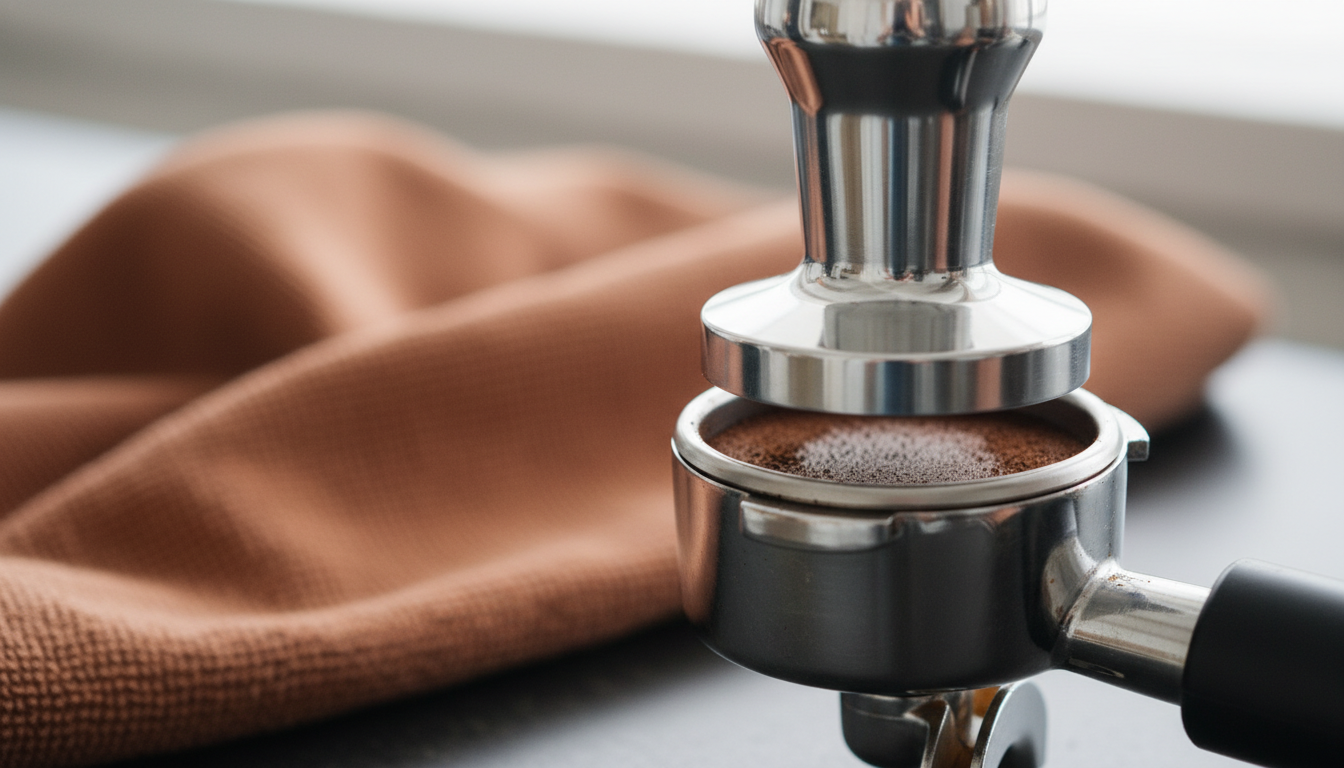
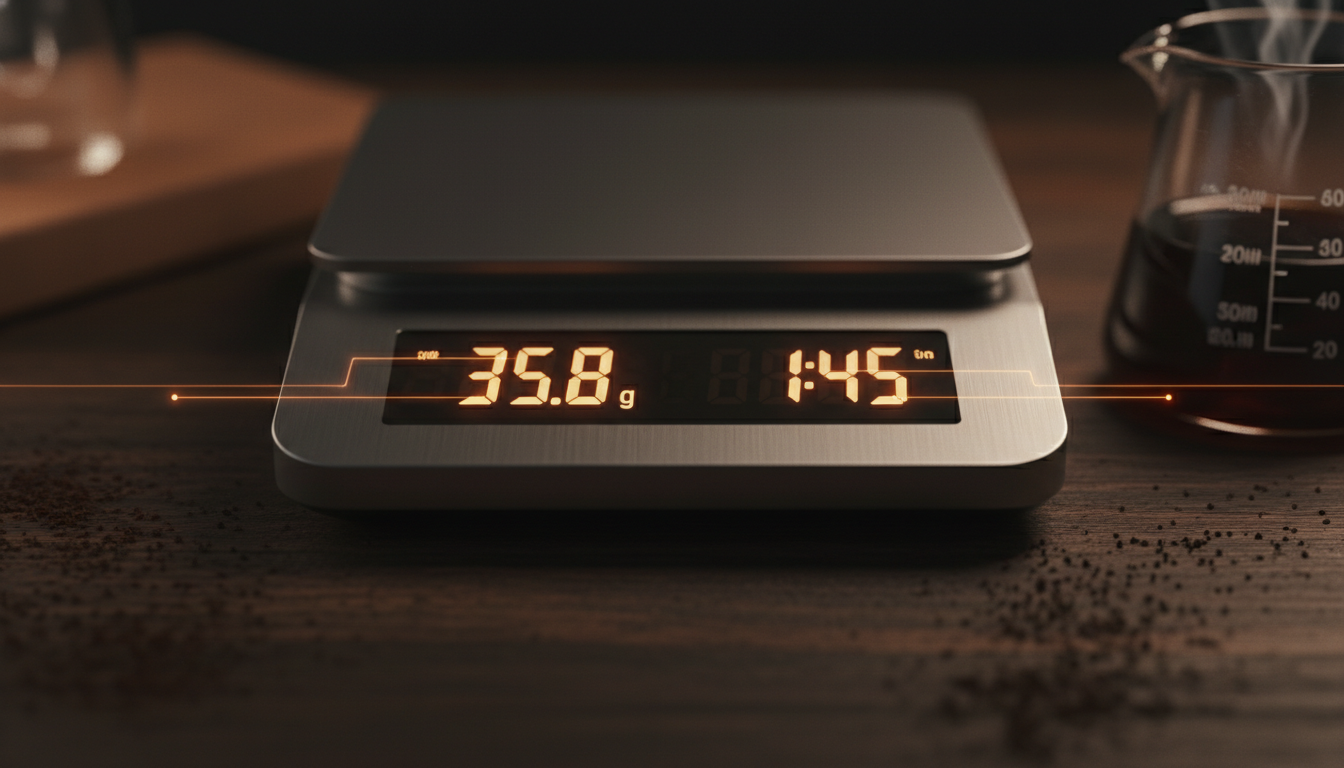
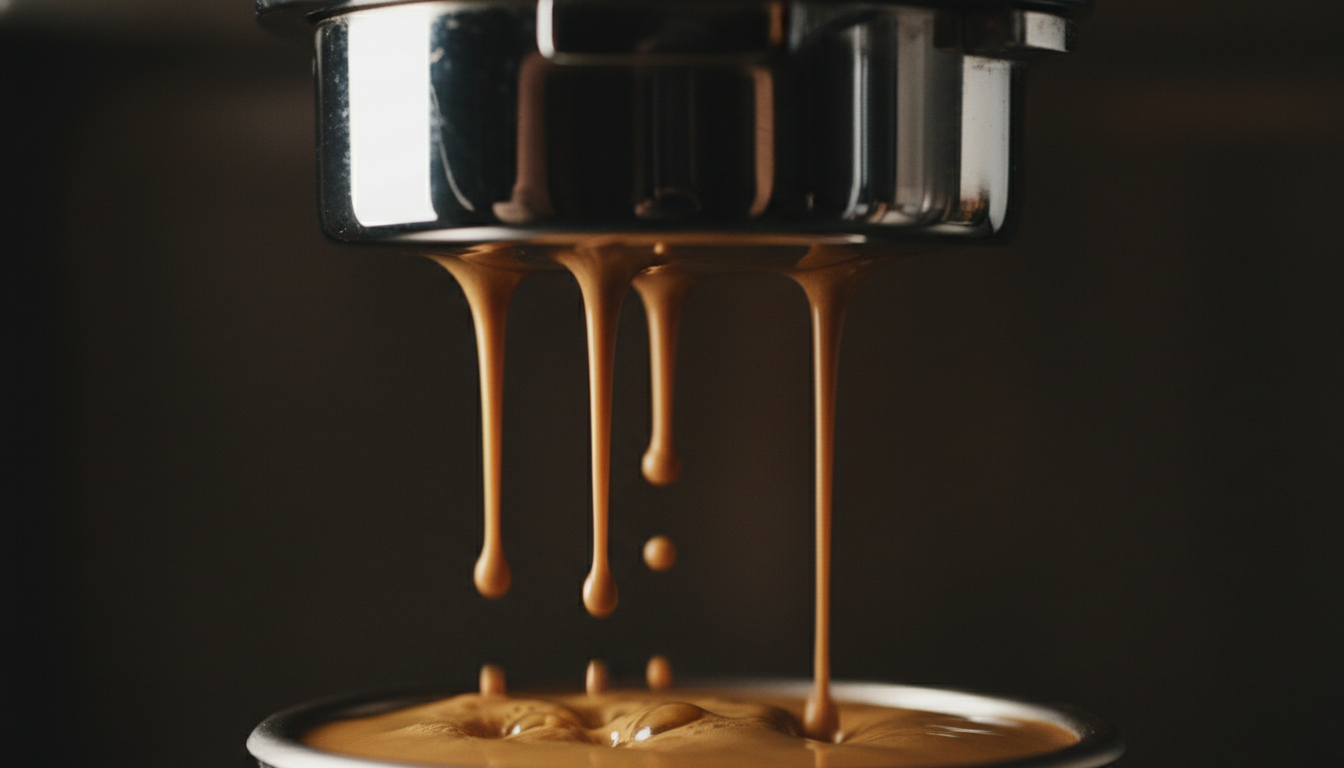
Semi-automatic machines put you in control of the espresso-making process. You grind the beans, dose them, tamp them, and start/stop the extraction manually. The machine handles water pressure and temperature, but everything else is up to you.
The Process:
- 1. Grind fresh coffee beans
- 2. Dose the correct amount (typically 18g)
- 3. Distribute and tamp the grounds
- 4. Lock portafilter into group head
- 5. Start extraction manually
- 6. Stop extraction at desired volume
- 7. Steam milk manually (if needed)
Key Insight: Semi-automatic machines teach you the fundamentals of espresso. Every shot is a learning opportunity.
Super-Automatic Machines
Super-automatic machines do everything at the touch of a button. They grind, dose, tamp, extract, and even steam milk automatically. You simply select your drink, and the machine handles the entire process from bean to cup.
The Process:
- 1. Fill bean hopper and water tank
- 2. Select your desired drink
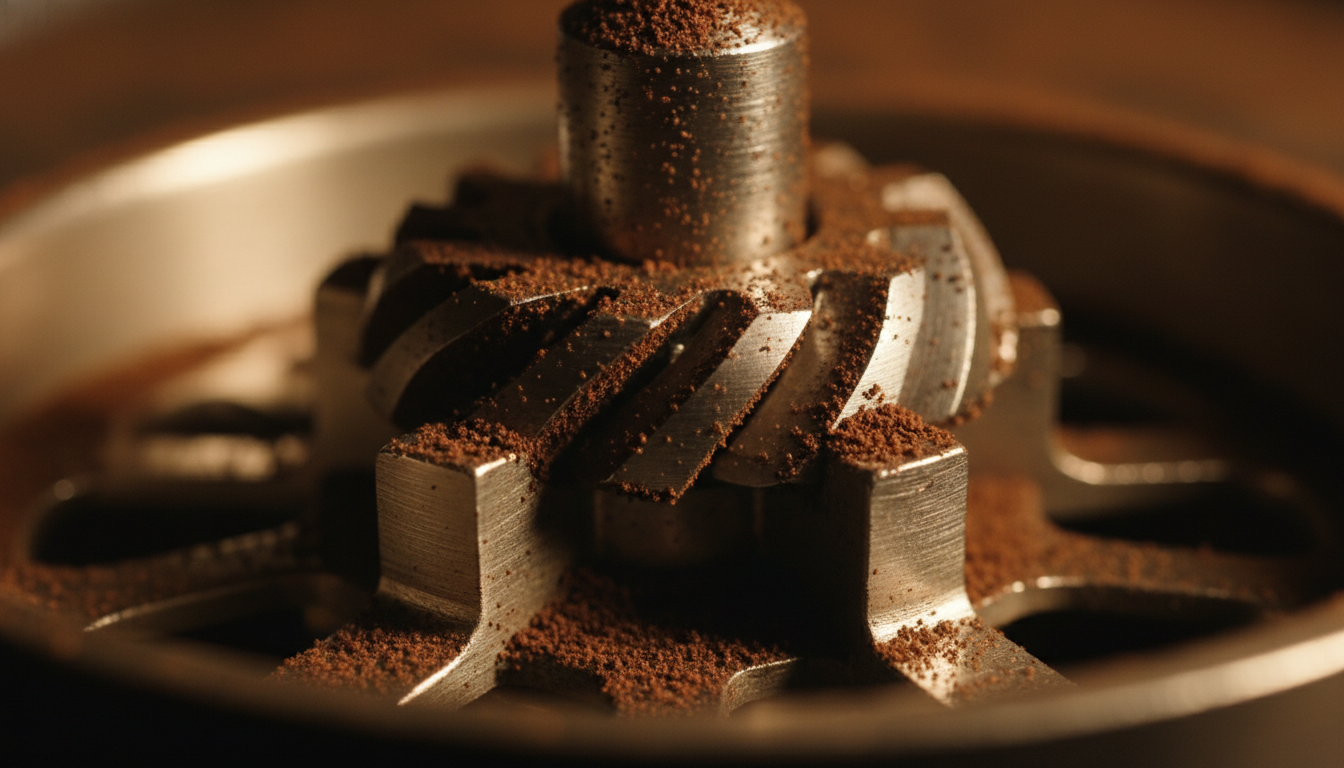
- 3. Machine grinds beans automatically
- 4. Internal brewing unit extracts espresso
- 5. Milk system froths milk (if applicable)
- 6. Drink dispenses into your cup
- 7. Machine cleans itself automatically
Key Insight: Super-automatic machines prioritize convenience and consistency over control and customization.
Detailed Feature Comparison
Let's compare these machine types across every important factor to help you understand the trade-offs.
| Feature | Semi-Automatic | Super-Automatic |
|---|---|---|
| Control Level | Full control over every variable | Automated with limited customization |
| Learning Curve | Steep - requires practice and skill | Minimal - user-friendly for beginners |
| Drink Quality | Excellent - can match café quality | Good - consistent but limited |
| Convenience | Low - requires active participation | High - one-touch operation |
| Maintenance | Moderate - regular cleaning required | High - complex cleaning cycles |
| Cost Range | $300-$1,500 | $500-$3,000 |
| Drink Variety | Unlimited - any espresso-based drink | Limited - programmed drinks only |
The Quality vs. Convenience Trade-off
This is the fundamental decision you're making. Semi-automatic machines offer potentially higher quality but require more work and skill. Super-automatic machines offer maximum convenience but have a quality ceiling. Neither is inherently better—they serve different priorities.
Pros & Cons Analysis
Semi-Automatic Pros
- • Superior Drink Quality: Can match café-quality espresso when mastered
- • Complete Control: Adjust every variable to your preference
- • Skill Development: Learn real barista techniques
- • Lower Initial Cost: Better machines for less money
- • Unlimited Variety: Make any espresso-based drink imaginable
- • Easier Maintenance: Simpler mechanics, easier to clean
- • Better Investment: Holds value longer, more upgradable
Semi-Automatic Cons
- • Steep Learning Curve: Takes weeks to master basics
- • Time Consuming: Each drink takes 5-10 minutes active time
- • Inconsistent Results: Bad shots happen while learning
- • Multiple Equipment: Need separate grinder, tamper, etc.
- • Morning Rush Challenge: Not ideal for busy mornings
- • Requires Practice: Skills deteriorate without regular use
Super-Automatic Pros
- • Maximum Convenience: One-touch operation, perfect for busy mornings
- • Consistent Results: Every drink tastes the same
- • Fast Operation: Drinks ready in 1-2 minutes
- • All-in-One Solution: No additional equipment needed
- • Multiple Drinks: Easy to make different drinks back-to-back
- • User-Friendly: Anyone can make good coffee
- • Great for Entertaining: Guests can serve themselves
Super-Automatic Cons
- • Quality Limitations: Can't match semi-auto quality
- • Expensive: Higher entry price for comparable quality
- • Complex Maintenance: Complicated cleaning cycles
- • Limited Customization: Restricted to programmed drinks
- • Repair Costs: Expensive repairs when warranty expires
- • Obsolescence: Technology becomes outdated quickly
- • Less Engaging: Removes the craft from coffee making
Who Should Buy Each Type
Your lifestyle, priorities, and coffee preferences should drive this decision. Here's who each machine type is perfect for.
Semi-Automatic
Super-Automatic
The Hybrid Approach
Some coffee enthusiasts own both: a super-automatic for busy weekdays and a semi-automatic for weekend experimentation. This gives you the best of both worlds if your budget allows.
Alternatively, consider starting with a quality semi-automatic machine—you can always add a super-automatic later if you need more convenience.
Real-World Performance Analysis
We analyzed actual performance data from both machine types to see how they stack up in everyday use. Here's what we found.
Drink Quality Comparison
9.2/10
Semi-Auto Max Quality
7.5/10
Super-Auto Max Quality
6.8/10
Semi-Auto Beginner
While skilled users can achieve exceptional quality with semi-automatic machines, beginners often struggle initially. Super-automatic machines deliver consistent 7-8/10 quality from day one, while semi-automatic machines start at 5-6/10 and can reach 9+ with practice.
Speed and Convenience Testing
Semi-Automatic Timing:
- • Morning routine: 8-12 minutes
- • Single espresso: 3-5 minutes
- • Latte: 6-10 minutes
- • Multiple drinks: 15-25 minutes
Super-Automatic Timing:
- • Morning routine: 2-4 minutes
- • Single espresso: 1-2 minutes
- • Latte: 2-3 minutes
- • Multiple drinks: 5-8 minutes
User Satisfaction Data
Based on analyzing thousands of user reviews and satisfaction surveys:
Semi-Automatic Owners:
- • 87% satisfied after 6 months
- • 92% satisfied after 2 years
- • 78% say quality exceeded expectations
- • 65% developed new coffee hobby
Super-Automatic Owners:
- • 91% satisfied after 6 months
- • 85% satisfied after 2 years
- • 83% say convenience exceeded expectations
- • 45% upgraded to better model within 3 years
Maintenance & Upkeep
Keeping your machine running properly requires different approaches for each type. Here's what to expect.
Semi-Automatic Maintenance
Daily (After Each Use):
- • Rinse portafilter and basket
- • Wipe steam wand
- • Quick group head flush
- • Empty drip tray
Weekly:
- • Backflush with clean water
- • Clean shower screen
- • Wipe down exterior
Monthly:
- • Deep clean with detergent
- • Descale if needed
- • Check gaskets and seals
Time Investment: 5 minutes daily, 30 minutes monthly
Super-Automatic Maintenance
Daily (Automatic):
- • Automatic rinse cycle
- • Brew unit cleaning
- • Waste container emptying
Weekly:
- • Clean milk system (if applicable)
- • Empty and clean drip tray
- • Wipe down exterior
Monthly:
- • Full cleaning cycle with tablets
- • Descaling cycle
- • Brew unit removal and cleaning
Time Investment: 2 minutes daily, 60 minutes monthly
Maintenance Cost Comparison
Annual maintenance costs differ significantly:
- • Semi-automatic: $50-100/year (cleaning supplies, descaler)
- • Super-automatic: $150-300/year (cleaning tablets, descaler, replacement parts)
Total Cost of Ownership
Looking beyond the purchase price reveals the true cost of each machine type over 5 years.
| Cost Category | Semi-Auto (Mid-Range) | Super-Auto (Mid-Range) |
|---|---|---|
| Initial Machine Cost | $800 | $1,500 |
| Grinder (if needed) | $300 | $0 (built-in) |
| Accessories | $200 | $50 |
| 5-Year Maintenance | $400 | $1,000 |
| Expected Repairs | $200 | $600 |
| 5-Year Total Cost | $1,900 | $3,150 |
The Value Proposition
While super-automatic machines cost 65% more over 5 years, they save significant time and deliver consistent results. Semi-automatic machines cost less but require time investment and skill development.
Consider your time worth—if your morning time is valuable, the super-automatic premium may be justified. If you enjoy the process, the semi-automatic offers better value and potentially superior results.
Making Your Final Decision
Use this decision framework to choose the right machine type for your specific situation.
Step 1: Assess Your Priorities
Rate each factor from 1-10 (1 = not important, 10 = critical):
Convenience Factors:
- • Morning speed: ___
- • Ease of use: ___
- • Multiple drinks: ___
- • Guest-friendly: ___
Quality Factors:
- • Drink quality: ___
- • Customization: ___
- • Learning experience: ___
- • Skill development: ___
Step 2: Calculate Your Scores
• Convenience Score: Add your convenience factor ratings
• Quality Score: Add your quality factor ratings
Decision Guide:
- • If Convenience Score > Quality Score: Choose Super-Automatic
- • If Quality Score > Convenience Score: Choose Semi-Automatic
- • If scores are close: Consider budget constraints
Step 3: Consider Your Budget
Final Recommendations
Choose Semi-Automatic If:
You value quality over convenience, enjoy learning new skills, have time for morning coffee rituals, and want to develop a deeper appreciation for espresso craftsmanship.
Choose Super-Automatic If:
You need quick, consistent coffee for busy mornings, have multiple coffee drinkers in your home, prioritize convenience, and prefer good enough coffee without the learning curve.