Beginner's Guide
Espresso Machine vs Coffee Maker: Which Should a Beginner Buy?
Making the right choice for your morning coffee routine—compare costs, learning curves, drink versatility, and maintenance to find your perfect match.
Making the right choice for your morning coffee routine—compare costs, learning curves, drink versatility, and maintenance to find your perfect match.
You want to make lattes, cappuccinos, and macchiatos at home, enjoy the learning process, and don't mind investing time to master your morning ritual.
You want simple, fast morning coffee with minimal cleanup, prefer a straightforward brewing process, and primarily drink black coffee or basic pour-overs.
Espresso Machine Range
Coffee Maker Range
Espresso Brew Time
Drip Coffee Brew Time
Walking into a coffee shop, you're faced with an espresso bar and a batch brew station—two fundamentally different approaches to your daily caffeine fix. At home, this choice becomes even more significant because your decision shapes not just your morning routine for years to come, but also your budget, counter space, and relationship with coffee itself.
This guide cuts through the marketing hype to give you a clear, honest comparison. We'll examine what each machine actually produces, the real costs involved, how much time and effort each requires, and most importantly—which one fits your lifestyle, preferences, and patience level as a beginner.
✓ What You'll Learn:
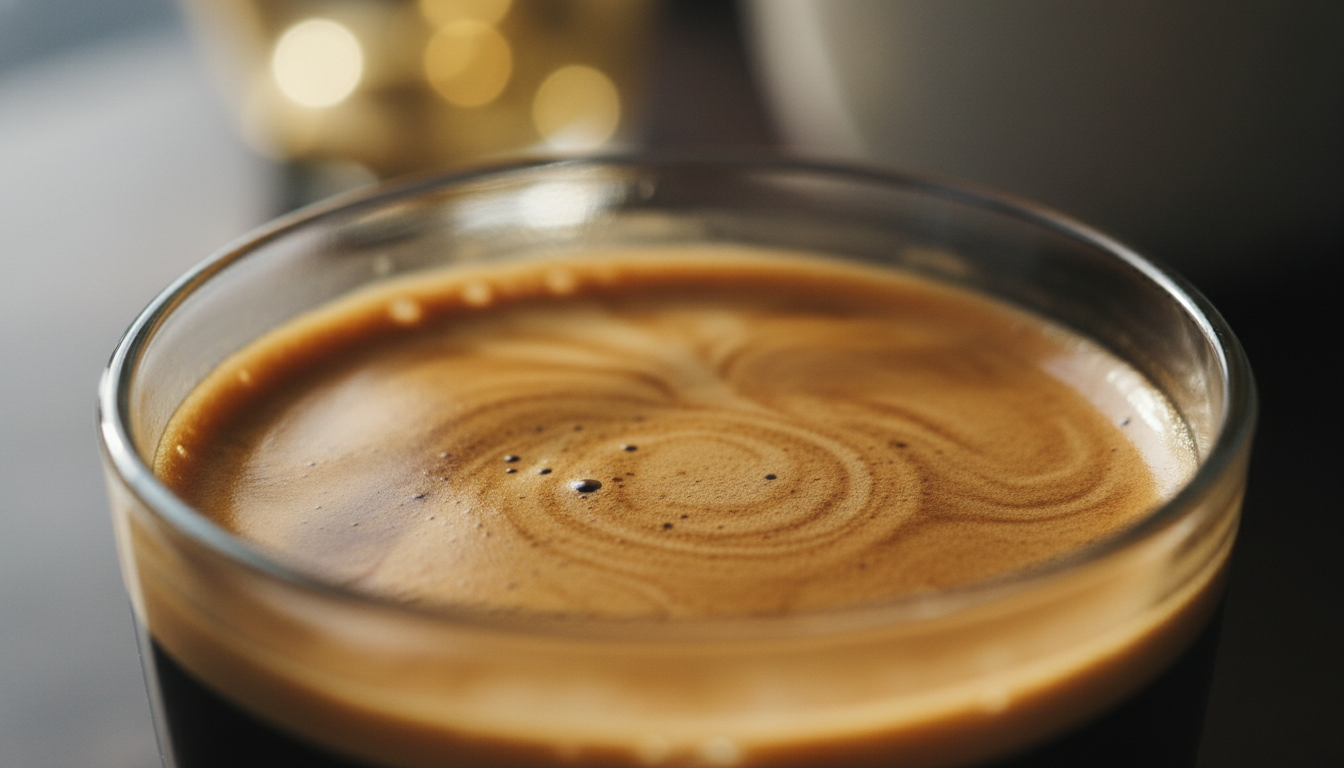
An espresso machine produces concentrated, full-bodied shots (1-2 oz) by forcing hot water through finely ground coffee at 9 bars of pressure. This creates the signature crema—a golden-brown foam of oils and CO2 that defines authentic espresso.
The real power lies in versatility: from a single shot, you can create Americanos, lattes, cappuccinos, macchiatos, flat whites, and more. The steam wand allows you to texture milk into microfoam for café-quality drinks. However, this concentration means you get less total volume—espresso is about intensity, not quantity.
A drip coffee maker produces larger volumes of brewed coffee (8-12 cups per batch) by dripping hot water through medium-ground coffee in a filter. The result is a lighter-bodied, more diluted beverage that highlights nuanced flavor notes and aromatics.
The standard output is black coffee meant for drinking as-is or with additions like cream and sugar. Some machines offer iced coffee settings or single-serve options. Drip coffee excels at volume and consistency—brew once, drink throughout the morning. However, you're limited to brewed coffee unless you purchase additional equipment like a milk frother separately.
This side-by-side comparison breaks down the key factors that matter most to beginners making their first coffee equipment investment.
| Factor | Espresso Machine | Drip Coffee Maker |
|---|---|---|
| Initial Cost | $150-$300 (decent entry-level) | $50-$150 (quality machine) |
| Hidden Costs | Grinder ($100-300), accessories ($50-100) | Filters ($5-15/month), occasional descaling |
| Learning Curve | Steep (2-4 weeks to decent results) | Minimal (first pot is drinkable) |
| Drink Variety | High (lattes, cappuccinos, americanos, etc.) | Low (black coffee, iced variations) |
| Daily Time | 5-10 minutes (including prep/cleanup) | 2-3 minutes (mostly automated) |
| Maintenance | Daily cleaning, weekly backflushing, descaling | Weekly cleaning, monthly descaling |
| Output Volume | 1-2 drinks per cycle | 4-12 cups per batch |
| Skill Ceiling | Very high (years of refinement possible) | Moderate (limited variables to adjust) |
Use these four key factors to determine which machine aligns with your lifestyle, preferences, and constraints.
Choose Espresso if: You have 10-15 minutes to dedicate to your coffee ritual, enjoy the process as part of waking up, and don't mind active participation.
Choose Drip if: You're rushing out the door, need coffee ready when you wake up, or prefer to multitask while brewing.
Choose Espresso if: You regularly order lattes, cappuccinos, or flat whites at cafés. The steam wand capability alone justifies the investment for milk drink lovers.
Choose Drip if: You're satisfied with black coffee, Americanos, or occasionally add a splash of milk. You prefer highlighting origin characteristics over milk integration.
Choose Espresso if: You can invest $400-600 total (machine + grinder + accessories) and afford quality fresh beans. Budget espresso setups often disappoint.
Choose Drip if: You want to spend under $150 total and use pre-ground coffee from the grocery store. Drip machines are more forgiving of lower-cost coffee.
Choose Espresso if: You enjoy learning new skills, can tolerate weeks of imperfect results, and view coffee as a hobby worth mastering.
Choose Drip if: You want good coffee immediately, get frustrated by inconsistent results, or view coffee purely as fuel rather than a craft.
💡 Pro Tip: Be honest about your patience level. Many beginners buy espresso machines imagining a romantic morning ritual, then abandon them after two weeks of frustration. If you're unsure, start with a drip machine and upgrade later when you're certain about your commitment.
Many experienced home baristas eventually own both an espresso machine and a drip coffee maker. This isn't redundant—it's strategic. Each machine serves different occasions and needs.
If your budget allows only one machine now, consider this progression:
Top-rated entry-level espresso machines with real user reviews and buying advice.
12 MIN READComprehensive guide to drip coffee makers, pour-over setups, and brewing methods.
15 MIN READEverything you need to know before buying your first espresso machine.
20 MIN READWhether you've decided on an espresso machine or a drip coffee maker, our detailed buying guides will help you find the perfect model for your budget and needs.