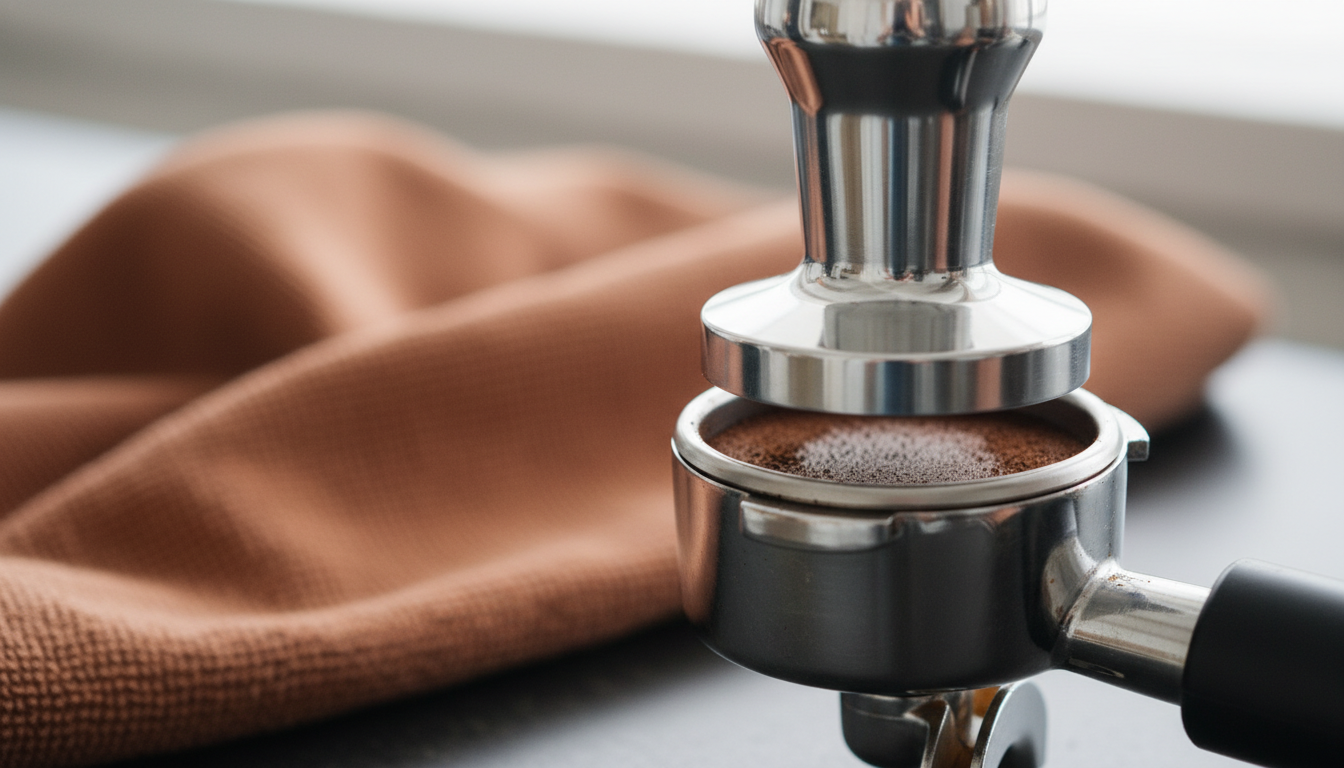
Tamping espresso grounds

Reading Espresso Pucks: What Your Spent Coffee Tells You

Learn to read espresso pucks for extraction insights. Understand what wet, dry, cracked, and muddy pucks reveal about your technique and grind. Proper dialing-in produces consistent pucks.

The Most Important Thing to Know

Taste trumps puck appearance every time. Many home baristas obsess over puck condition when they should focus on how the shot tastes. A soggy puck can produce an amazing shot, and a perfect-looking puck can taste terrible. Use puck reading as one diagnostic tool among many—not the primary judge of quality.

Diagnostic Priority Order

1
Taste the shot
Sweet, balanced, no harsh bitterness or sourness
Most important
2
Watch extraction
Even flow, appropriate time, good color progression
Very useful
3
Check timing
25-35 seconds for most shots
Useful data point
4
Read the puck
Provides clues but can mislead
Supplementary

Learn more about extraction in our dialing in guide.

Puck Condition Guide

Soupy/Muddy Puck

Often normal

Wet, sloppy, doesn't knock out cleanly

POSSIBLE CAUSES:

  • Grind too fine
  • Over-dosing
  • Too much water left in basket

WHAT TO DO:

  • Grind slightly coarser
  • Reduce dose by 0.5g
  • Normal variation—not always a problem

Dry, Firm Puck

Usually good

Solid, knocks out in one piece

POSSIBLE CAUSES:

  • Good extraction
  • Slightly under-dosed
  • Grind on coarser side

WHAT TO DO:

  • If shot tastes good, don't change anything
  • Often considered ideal

Cracked Puck

Indicates channeling

Visible cracks or fractures on surface

POSSIBLE CAUSES:

  • Channeling occurred
  • Uneven distribution
  • Inconsistent tamp

WHAT TO DO:

  • Improve distribution with WDT
  • More consistent tamp
  • Check grind consistency

Puck with Hole

Problem indicator

Visible hole or depression

POSSIBLE CAUSES:

  • Severe channeling
  • Water found weak spot
  • Major distribution problem

WHAT TO DO:

  • Use WDT tool
  • Better distribution
  • Check for basket issues

Puck Stuck to Screen

Adjust dose

Puck adheres to shower screen

POSSIBLE CAUSES:

  • Over-dosing
  • Puck expanding too much
  • Stale coffee

WHAT TO DO:

  • Reduce dose
  • Leave headspace
  • Use fresher beans

Perfectly Smooth Top

Ideal

Completely level, mirror-like surface

POSSIBLE CAUSES:

  • Good distribution and tamp
  • Proper dose
  • Even extraction

WHAT TO DO:

  • If shot tastes good, you're doing it right

Puck Myths vs Reality

❌ MYTH: A dry puck means a good shot

✓ REALITY: Puck dryness depends on machine design, basket, and dose—not extraction quality. Many great shots come from wet pucks.

❌ MYTH: Cracks always mean bad extraction

✓ REALITY: Small surface cracks after extraction are often normal. Cracks visible during or indicating channeling are concerning.

❌ MYTH: The puck should always knock out perfectly

✓ REALITY: Some machines and baskets produce messier pucks. Focus on taste, not cleanup convenience.

❌ MYTH: You can diagnose everything from the puck

✓ REALITY: The puck provides clues, but taste is the ultimate judge. A 'perfect' puck can still produce a bad shot.

What Actually Affects Puck Condition

Machine Factors

  • • 3-way solenoid valve design
  • • Pressure release mechanism
  • • Shower screen design
  • • Group head temperature

Basket Factors

  • • Basket depth and shape
  • • Hole pattern and size
  • • Precision vs standard basket
  • • Dose relative to basket size

Coffee Factors

  • • Roast level (darker = oilier)
  • • Freshness and degassing
  • • Grind size and consistency
  • • Dose amount

Different machines produce different pucks. Don't compare your pucks to others' machines. Focus on consistency with YOUR setup.

When Puck Reading IS Useful

Useful Puck Clues:

  • Holes or major cracks: Clear channeling indicator
  • Puck stuck to screen: Reduce dose
  • Consistency changes: Something in your process changed
  • One side different: Distribution or tamp issue

Not Worth Worrying About:

  • × Wetness alone: Not indicative of quality
  • × Perfect knock-out: Convenience, not quality
  • × Minor surface texture: Normal variation
  • × Comparing to photos online: Different machines = different pucks

Focus on What Matters

Use puck reading as one tool in your diagnostic toolkit—but never forget that taste is the ultimate judge. A delicious shot from a messy puck beats a beautiful puck with a terrible shot every time.