Off-Grid Living
Espresso Without Electricity
Brew espresso-style coffee without electricity. Learn manual lever machines, stovetop methods, and hand grinding for off-grid and emergency preparedness.
Brew espresso-style coffee without electricity. Learn manual lever machines, stovetop methods, and hand grinding for off-grid and emergency preparedness.
Manual lever machines (Flair, ROK) produce espresso-quality shots without electricity. Hand grinders provide consistent grind sizes. Stovetop methods (Moka pot) create concentrated coffee but lack true espresso pressure. Realistic workflows require 10-15 minutes and manual effort but deliver quality results comparable to electric machines.
Manual lever machines use human force to generate pressure (9 bar) for espresso extraction. The user pulls a lever to compress water through coffee grounds. No electricity required. Machines like Flair and ROK produce shots indistinguishable from electric machines when operated correctly.
Popular Manual Lever Options:
Manual lever espresso requires more steps than electric machines but produces excellent results. Heat water separately (kettle, campfire, or stove). Grind beans, dose into portafilter, tamp, insert into machine, and pull lever with consistent pressure. Total time: 10-15 minutes including water heating.
Step-by-Step Manual Lever Process:
Manual levers produce authentic espresso shots with proper crema and body. Consistency requires practice; early shots may be over or under-extracted. After 10-20 shots, most users achieve café-quality results. The learning curve is steeper than electric machines but the payoff is genuine espresso without electricity.
Hand grinders produce consistent espresso-fine grinds without electricity. Conical burr grinders work better than blade grinders for espresso. Quality hand grinders (Comandante, 1Zpresso, Timemore) cost $60-150 but produce grinds comparable to electric burr grinders.
Hand Grinder Options for Espresso:
Hand grinding 20g of beans for espresso takes 5-10 minutes depending on grinder quality and bean density. Pre-grind the night before to save morning time. Store ground coffee in airtight containers for 6-8 hours without significant quality loss.
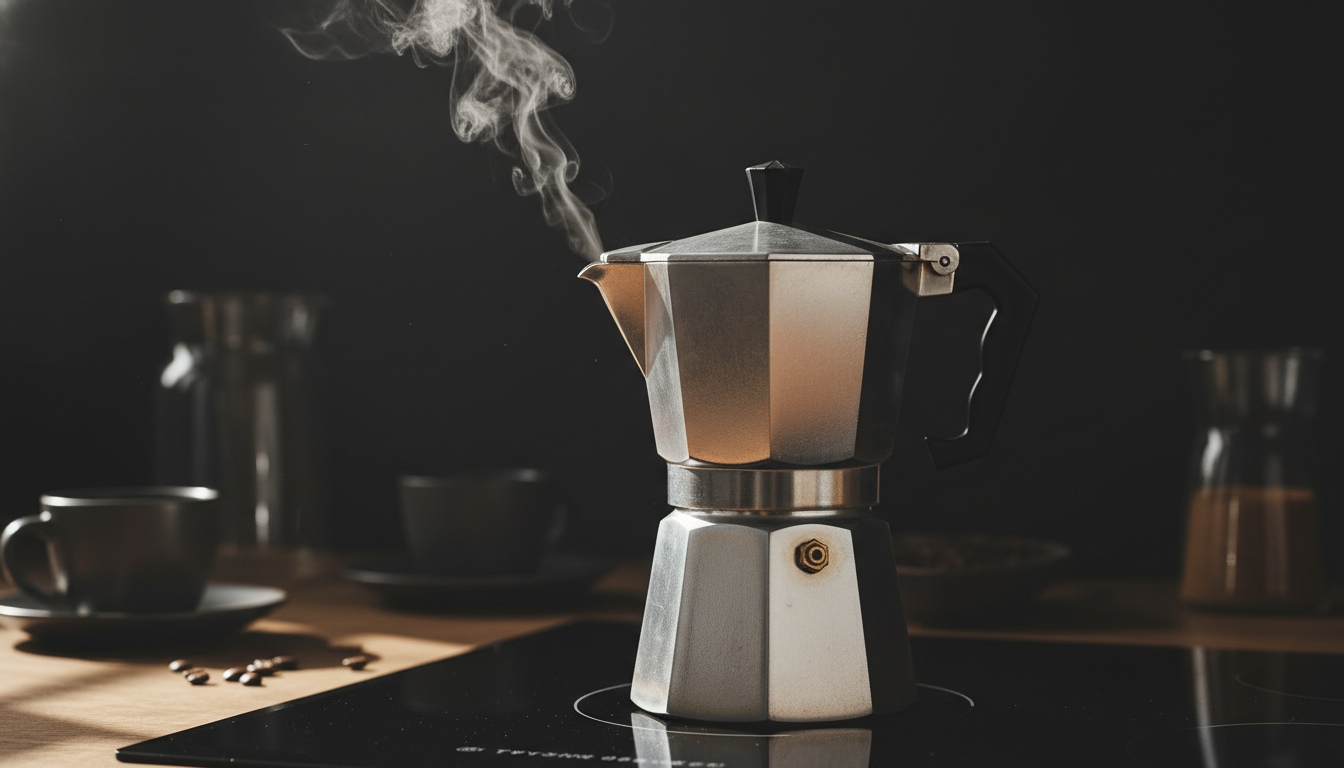
Moka pots brew concentrated coffee on stovetops without electricity. They produce 1-3 bar pressure (lower than true espresso's 9 bar) but create rich, concentrated coffee suitable for milk drinks. Brewing time: 5-10 minutes depending on size and heat source.
Moka Pot Specifications:
Fill the bottom chamber with water, add finely ground coffee to the filter basket, screw on the top chamber, and heat on medium-high. Listen for a gurgling sound indicating brewing completion. Remove from heat and pour immediately.
Step-by-Step Moka Pot Process:
Moka pots produce concentrated coffee but not true espresso (lower pressure). Manual levers produce authentic espresso with proper pressure and crema. For milk drinks, Moka pots are adequate and faster. For black espresso, manual levers deliver superior results.
Manual espresso requires water heated to 195-205°F. Heat water using stovetop kettles, campfire, or solar heating. Use a thermometer to verify temperature. Optimal water temperature is critical for extraction quality.
Water Heating Options:
Manual lever machines produce authentic espresso shots with proper pressure, crema, and body. Quality is comparable to $500+ electric machines when operated correctly. Hand grinders provide consistent grinds. Stovetop methods produce concentrated coffee suitable for milk drinks. Off-grid espresso is genuinely feasible.
Manual methods require more time and effort than electric machines. Hand grinding takes 5-10 minutes per dose. Manual lever operation requires practice for consistency. No temperature stability features. No automatic pressure control. These limitations don't prevent quality; they require intentionality and patience.