Advanced Technique
Pressure Profiling
Control extraction by varying pressure throughout the shot for enhanced flavor and reduced defects.
Control extraction by varying pressure throughout the shot for enhanced flavor and reduced defects.
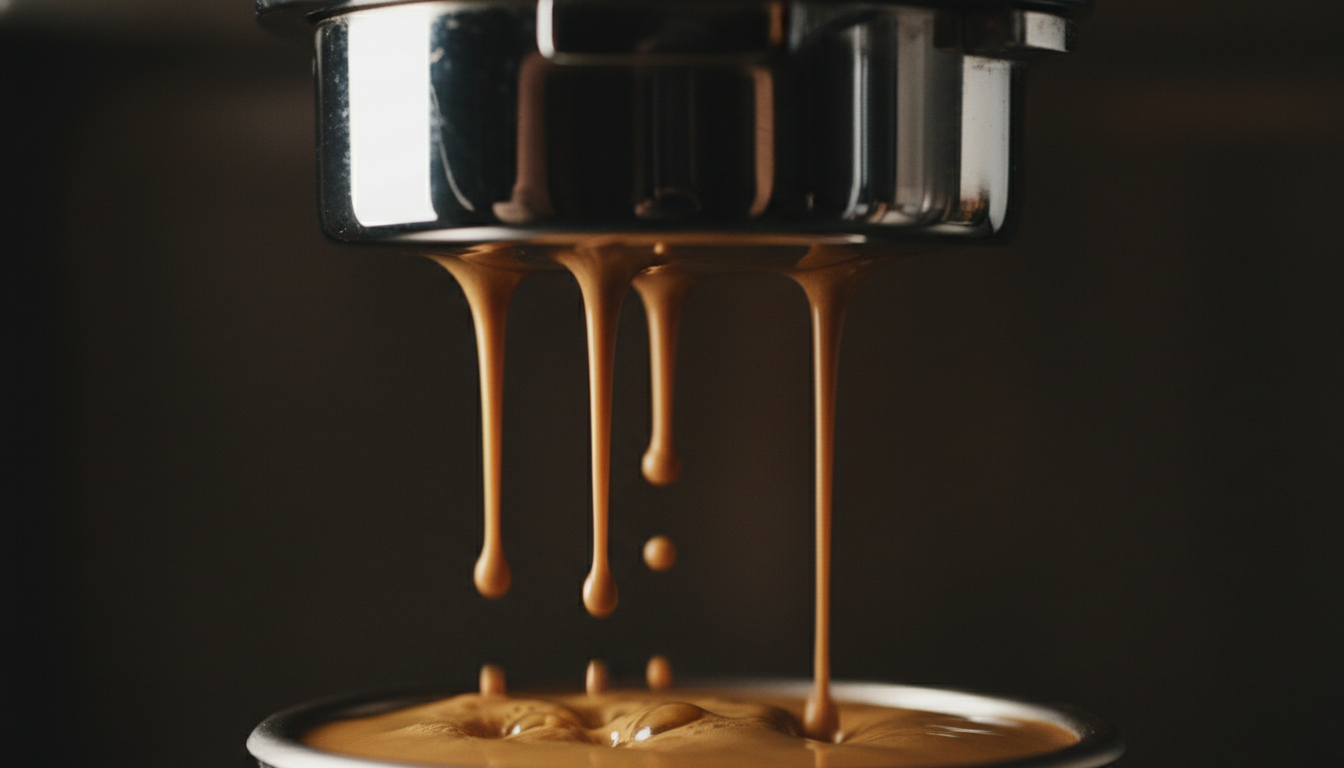
Traditional espresso machines apply constant pressure (typically 9 bars) throughout extraction. Pressure profiling means intentionally varying that pressure during the shot—starting low, ramping up, or declining—to influence extraction and flavor.
This is an advanced technique. Before exploring pressure profiling, you should be comfortable with dialing in standard espresso and understand basic extraction principles. If you're still working on consistency, focus on that first.
Purpose: Saturate grounds evenly before full pressure, reduces channeling
Effect: Smoother extraction, fewer defects
Purpose: Gradually increase to full pressure
Effect: Gentler extraction start
Purpose: Main extraction phase at optimal pressure
Effect: Core flavor development
Purpose: Reduce pressure as extraction progresses
Effect: Sweeter finish, less bitterness
Constant 9 bars throughout
Best for: Traditional espresso, medium-dark roasts
Machines: Most standard machines
Start high, reduce pressure during extraction
Best for: Light roasts, fruity coffees, reducing bitterness
Machines: Lever machines, Decent DE1, La Marzocco GS3
Long low-pressure pre-infusion, then normal extraction
Best for: Light roasts, reducing channeling, complex flavors
Machines: Slayer, Decent DE1, manual lever
Start low, increase to peak
Best for: Experimental, some specialty applications
Machines: Decent DE1, some lever machines
Fixed 9-15 bar pump pressure
Add dimmer mod or flow control device
Timed low-pressure phase before extraction
Built-in feature, limited adjustability
Full manual pressure control via lever
Requires technique development
Complete pressure curve control
Premium investment
See our pressure profiling readiness guide to evaluate if you're ready to upgrade.
Full profiling machines are expensive ($2000+), but there are accessible ways to experiment:
Flair or Robot give full manual pressure control
Best way to learn profiling fundamentals
Add to existing E61 machines for basic profiling
Affordable upgrade path
DIY pump pressure control for basic machines
Cheapest option, requires modification
Pressure profiling opens new dimensions in espresso flavor. Start with the fundamentals, experiment systematically, and enjoy the journey of discovery.