How to Reduce Static in Your Coffee Grinder
Seven proven methods to eliminate static electricity and keep coffee grounds where they belong
Quick Answer
Reduce grinder static by using the Ross Droplet Technique (RDT)—adding a few drops of water to beans before grinding. Additional methods include using a humidifier, grounding the grinder, waiting before opening, and using anti-static tools.
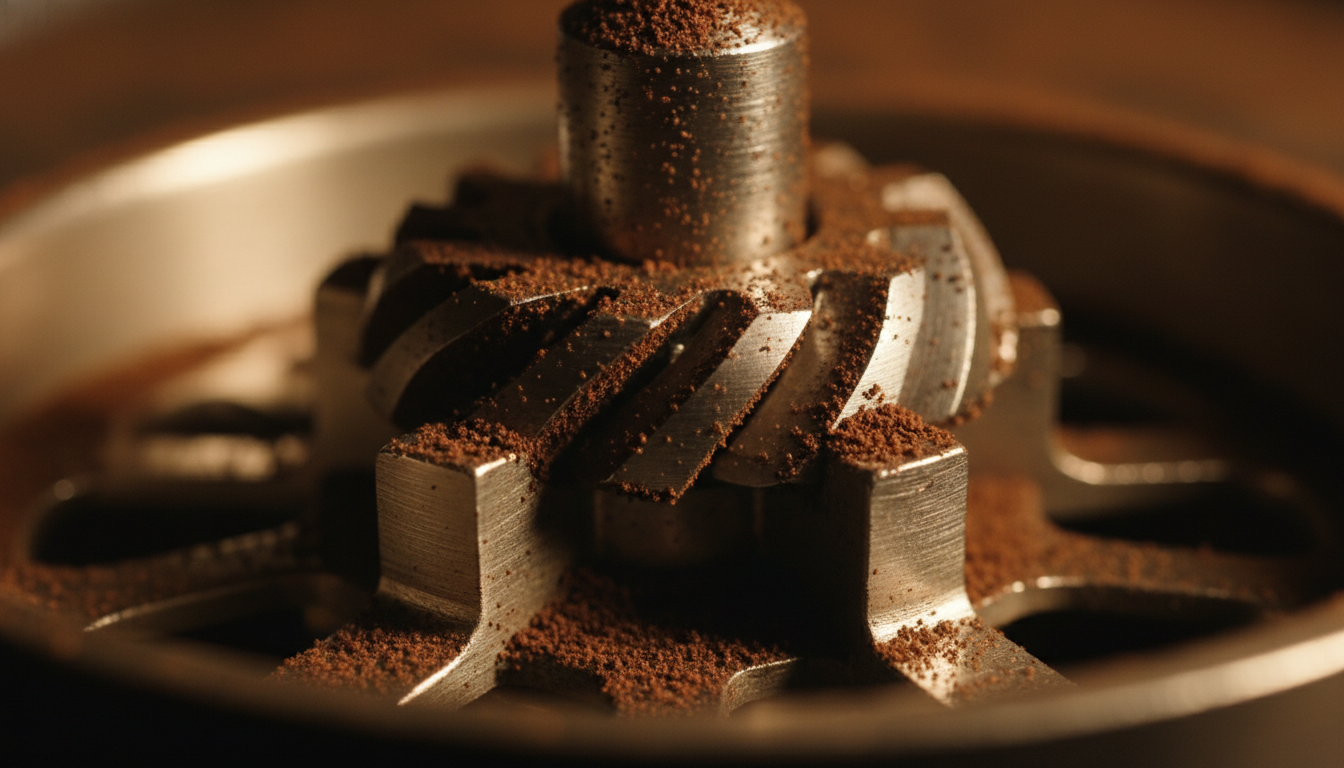
Coffee Grinder Static: Entity Definition
Primary Entity Definition
Coffee Grinder Static Electricity: An electrostatic charge buildup generated by the friction between coffee beans and grinder burrs/chamber components, causing ground coffee particles to repel from surfaces and cling to unintended locations.
Static Generation Factors:
Low Humidity: Dry air facilitates charge accumulation (common in winter, desert climates)
Bean Characteristics: Light roasts and certain origins generate more static than dark roasts
Grinder Materials: Plastic components retain more charge than metal or wood
Grind Speed: Higher RPM generates more frictional charge
Why Grinder Static Matters
Static causes multiple practical problems in coffee preparation. Grounds cling to the grinder chute, chamber walls, and catch bin, creating retention that affects dose consistency. When the grinder is opened or tapped, these retained grounds release in uncontrolled bursts, creating mess.
Static-affected grounds scatter across countertops, requiring cleanup and wasting coffee. The phenomenon creates frustration and inconsistency, particularly for single-dose grinding where every gram matters.
Beyond mess, static indicates retention that causes exchange—the mixing of old stale grounds with fresh coffee. Reducing static improves coffee quality by ensuring each dose contains only freshly ground coffee.
| Static Problem | Consequence |
|---|---|
| Grounds cling to chute | Inconsistent dosing, retention |
| Explosive release when opened | Countertop mess, wasted coffee |
| Particles repel from catch bin | Scattered grounds, cleanup required |
| Retention in chamber | Stale coffee mixing, off-flavors |
Method 1: Ross Droplet Technique (RDT)
The Ross Droplet Technique (RDT) is the most effective static reduction method. Adding tiny water droplets to coffee beans before grinding introduces controlled moisture that dissipates static charge without affecting grind quality.
RDT Step-by-Step
- 1. Weigh coffee beans into dosing cup or grind chamber
- 2. Wet finger or spoon under running water, then shake off excess
- 3. Touch wet finger/spoon to beans or stir briefly (2-3 drops total)
- 4. Stir beans gently to distribute moisture
- 5. Grind immediately—do not let wet beans sit
The water amount is critical—too little has no effect; too much causes clumping and burr clogging. Start with a barely wet finger (shake until almost dry) and touch the bean surface briefly. Experience develops the right amount quickly.
RDT works by providing conductive pathways for static discharge. The minimal moisture evaporates during grinding, leaving no lasting effect on coffee flavor or grinder components. This technique eliminates 80-90% of static issues when performed correctly.
Method 2: Environmental Humidity Control
Static thrives in dry conditions. Increasing ambient humidity to 40-60% relative humidity dramatically reduces grinder static. This environmental approach benefits the entire coffee preparation area.
Humidity Control Options
Room Humidifier: Most effective solution for dry climates. Maintain 45-55% relative humidity in the coffee preparation area.
Small Area Humidifier: Desktop units near the grinder station provide localized humidity.
Water Reservoir: A small open water container near the grinder marginally increases local humidity.
Winter heating season creates the worst static conditions as indoor humidity drops below 30%. A humidifier becomes essential equipment for consistent grinding during dry months. Monitor humidity with an inexpensive hygrometer.
Method 3: Grinder Grounding
Grounding provides a path for static discharge, preventing charge accumulation. Metal grinder components can be grounded to electrical ground or a static-dissipative surface.
Grounding Techniques
Metal Contact: Touch the grinder's metal portafilter fork or other metal parts before and during grinding to discharge buildup through your body.
Grounding Wire: Attach a wire from a metal grinder component to a grounded electrical outlet screw or plumbing pipe.
Anti-Static Mat: Place the grinder on a grounded anti-static mat designed for electronics work.
Grounding works best when combined with other methods. While grounding prevents dangerous charge buildup, it may not completely eliminate the static that causes grounds to cling to plastic components.
Methods 4-7: Additional Static Reduction Techniques
Method 4: Wait Before Opening
Allow the grinder to sit for 30-60 seconds after grinding before opening the lid or removing the catch bin. This waiting period allows static charges to dissipate naturally through the grinder components, reducing the explosive release of grounds.
Method 5: Tap Technique
Gently tap the grinder sides and catch bin before opening to dislodge statically charged grounds. Use controlled taps rather than sharp strikes to avoid creating dust. This releases clinging grounds while the container remains closed.
Method 6: Anti-Static Tools
Use anti-static brushes and tools designed for electronics. Some grinder manufacturers offer anti-static brushes and accessories. The Ionzer static eliminator wand neutralizes charges before they cause problems.
Method 7: Bean Selection
Dark roasts generally produce less static than light roasts due to oil content and different cellular structure. If static is a persistent problem, consider using medium-dark roasts during the driest months. Freshness also matters—stale beans generate more static.
Grinder-Specific Static Solutions
| Grinder Type | Static Tendency | Recommended Solution |
|---|---|---|
| High-speed flat burr | High static | RDT essential, humidifier recommended |
| Low-speed conical burr | Moderate static | RDT usually sufficient |
| Single dose with bellows | Variable | RDT + wait before bellows |
| Hand grinder | Low static | Minimal intervention needed |
Related Guides
How to Clean a Coffee Grinder
Maintain grinder performance through proper cleaning procedures.
Coffee Grinder Retention Explained
Understand the relationship between static and retention.
Complete Grinder Maintenance Guide
Comprehensive care for optimal grinder performance.
Single Dose Grinding Explained
Techniques for consistent single-dose grinding where static matters most.
Espresso Machines for Humid Climates
Environmental considerations for coffee equipment.
Espresso Machines for Cold Climates
Managing equipment in low-humidity winter conditions.
Frequently Asked Questions
Does RDT affect coffee flavor?
When performed correctly with minimal water, RDT does not affect flavor. The tiny amount of moisture evaporates during grinding. Using too much water can cause clumping and uneven extraction—use a barely wet finger only.
Why is static worse in winter?
Winter heating reduces indoor humidity significantly. Dry air below 30% relative humidity facilitates static charge buildup. Heating systems remove moisture from air, creating ideal conditions for static generation.
Can static damage my grinder?
Static does not damage grinder components, but the retained grounds cause exchange—mixing stale coffee with fresh. This affects flavor quality. Static also creates mess and dosing inconsistency that impacts shot quality.
Do expensive grinders have less static?
Grinder price does not directly correlate with static reduction. Some expensive grinders produce significant static. However, premium single-dose grinders often include anti-static designs like ionizers or specialized chutes that help manage the issue.
Conclusion: Controlling Grinder Static
Grinder static frustrates home baristas but yields to systematic solutions. The Ross Droplet Technique (RDT) provides the most effective immediate relief. Environmental humidity control addresses root causes in dry climates. Combining multiple methods achieves the best results.
Start with RDT—master the technique of adding minimal moisture to beans before grinding. Add environmental humidity control if living in dry climates or during heating season. Consider grounding for persistent issues. Each method compounds the effectiveness of others.
Eliminating static improves dosing consistency, reduces mess, and prevents stale coffee exchange. The minimal effort required for RDT and other techniques pays dividends in cleaner workflow and better coffee quality.