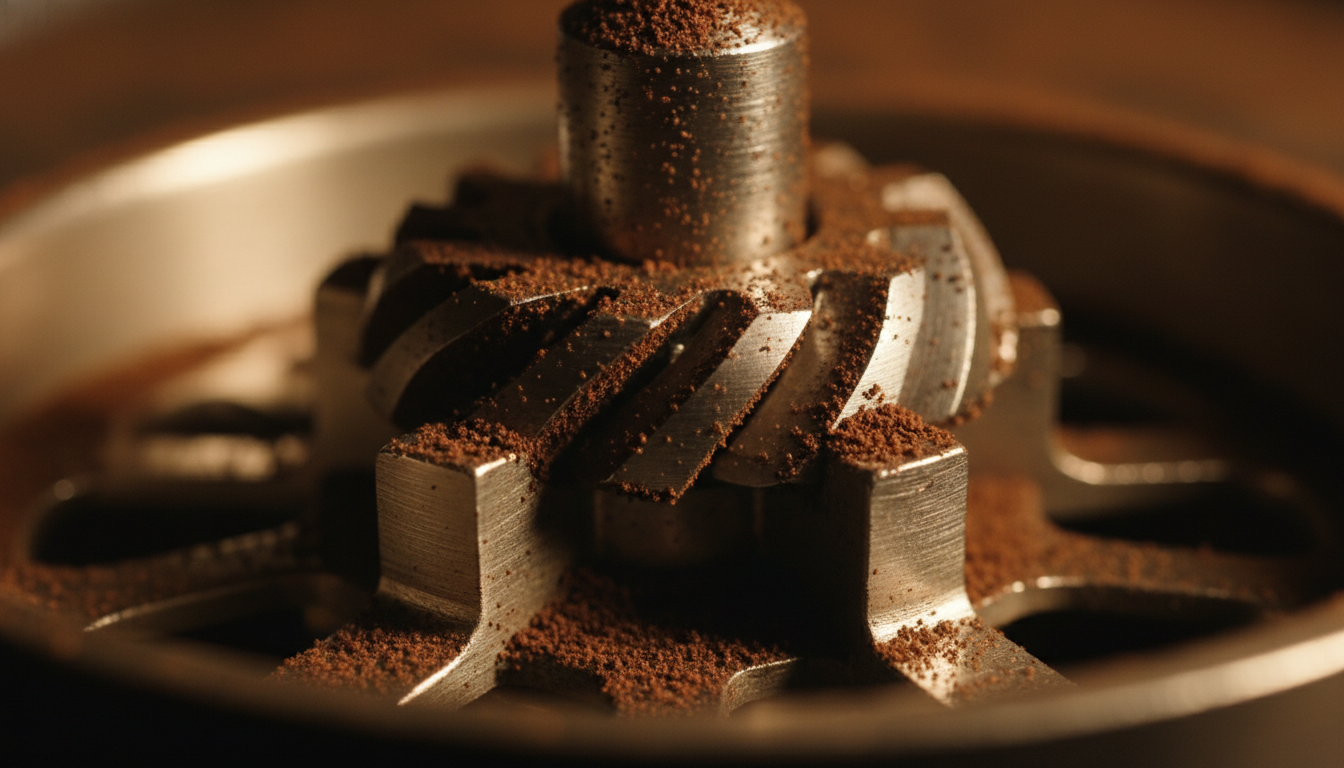
Grinder Technique
Single-Dosing Workflows
Minimize retention and contamination on hopper grinders. Technique comparison with pros/cons per grinder type.
Minimize retention and contamination on hopper grinders. Technique comparison with pros/cons per grinder type.
Single-dosing means grinding exactly the amount you need for one shot, with no leftover grounds in the grinder. This eliminates retention (old grounds mixed with fresh) and contamination (old oils affecting new coffee).
Most hopper grinders retain 0.5-2g of grounds. Single-dosing eliminates this problem but requires technique. Learn more about puck prep techniques to maximize consistency.
✓ Benefits:
Different techniques work for different grinders. Choose based on your setup.
How It Works:
Use a hand-pump bellows to blow air through the grinder after grinding. This ejects remaining grounds from the burr chamber.
Pros:
Cons:
Best For:
Light to medium roasts. Grinders with easy access to burr chamber.
How It Works:
Add 2-3 drops of water to beans before grinding. Water reduces static, allowing grounds to fall freely from burr chamber.
Pros:
Cons:
Best For:
All grinder types. Especially effective for espresso with static issues.
How It Works:
Tilt the grinder at an angle while grinding. Gravity helps grounds fall into the portafilter instead of staying in the chamber.
Pros:
Cons:
Best For:
Grinders with angled burr chambers. Requires experimentation.
How It Works:
Grind 5-10g of beans and discard before grinding your actual dose. This clears old grounds from the chamber.
Pros:
Cons:
Best For:
Budget-conscious users who want simplicity. Not ideal for expensive beans.
Retention: 1-2g typical. Moderate difficulty.
Best Technique: RDT + Bellows combination. RDT reduces static, bellows removes remaining grounds.
Difficulty: Moderate. Requires practice with bellows.
Retention: 0.5-1g typical. Easier than flat burrs.
Best Technique: RDT alone often sufficient. Bellows optional.
Difficulty: Easy. RDT is simple and effective.
Retention: 0.2-0.5g typical. Very low retention.
Best Technique: Purge method or simple tapping. RDT optional.
Difficulty: Very easy. Minimal technique needed.
Retention: 0.5-1.5g typical. Designed for espresso.
Best Technique: RDT + gentle tapping. Some models have single-dose hoppers.
Difficulty: Moderate. Check manufacturer recommendations.
Step 1: Measure Beans
Weigh out exact dose (e.g., 20g for double shot). Use a scale for consistency.
Step 2: Apply RDT (Optional)
Add 2-3 drops of water to beans. Let sit 10 seconds. This reduces static.
Step 3: Grind
Grind into portafilter. Grind should be consistent and flow smoothly.
Step 4: Remove Retention (Choose One):
Step 5: Prepare Shot
Tamp, distribute, and pull shot as normal. No old grounds mixed in.
Single-dosing eliminates retention and contamination. Choose the technique that works for your grinder and workflow.
Back to All Guides