5 Main Causes of Sour Espresso
Understanding why your espresso tastes sour is the first step to fixing it. Here are the most common causes, from most likely to least common.
Under-extraction
Easy to MediumWhat it is: Not enough flavor extracted from coffee grounds
Symptoms: Sour, acidic, thin, weak flavor, sharp edges
Why it happens: Water flows through coffee too quickly, not extracting enough oils and compounds
Grind Too Coarse
EasyWhat it is: Coffee particles are too large, water flows through too quickly
Symptoms: Fast extraction (under 20 seconds), sour taste, watery texture
Why it happens: Large particles create channels for water to bypass extraction
Water Temperature Too Low
EasyWhat it is: Water isn't hot enough to properly extract flavors
Symptoms: Sour taste, underdeveloped flavor, weak extraction
Why it happens: Lower temperature reduces extraction efficiency dramatically
Dose Too Low
EasyWhat it is: Not enough coffee grounds in the portafilter
Symptoms: Fast extraction, sour taste, weak flavor
Why it happens: Less coffee means water has less contact time for extraction
Old/Stale Coffee
Medium (requires fresh beans)What it is: Coffee beans have lost their fresh flavors
Symptoms: Flat, sour, cardboard-like taste, no sweetness
Why it happens: Volatile compounds evaporate, leaving unpleasant flavors
The Science Behind Sourness
Sourness equals under-extraction. When water flows through coffee too quickly, it extracts acidic compounds but not the sweet, balanced flavors. Proper extraction (25-30 seconds) allows acids to transform into pleasant sweetness.
Quick Fixes That Work
Start with these fixes in order. Most sour espresso is resolved by the first two adjustments.
Adjust Grind Size
ImmediateExpected result: Slower extraction, more sweetness
Increase Dose
ImmediateExpected result: Better extraction, more body
Check Temperature
15 minutesExpected result: Better extraction, less sourness
Tamp Harder
ImmediateExpected result: More even extraction
Fresh Beans
Next purchaseExpected result: Dramatic flavor improvement
Extraction Targets to Aim For
Knowing your targets helps you identify when something is wrong. Use these as your baseline measurements.
Ristretto
Espresso
Lungo
The Golden Rule
For standard espresso: 18g in, 36g out, 25-30 seconds. If you're hitting these targets and still getting sour shots, the issue is likely your beans or water temperature.
Step-by-Step Troubleshooting
Follow this systematic approach to identify and fix your sour espresso problem.
Check Your Numbers
Measure everything to identify the problem
Actions:
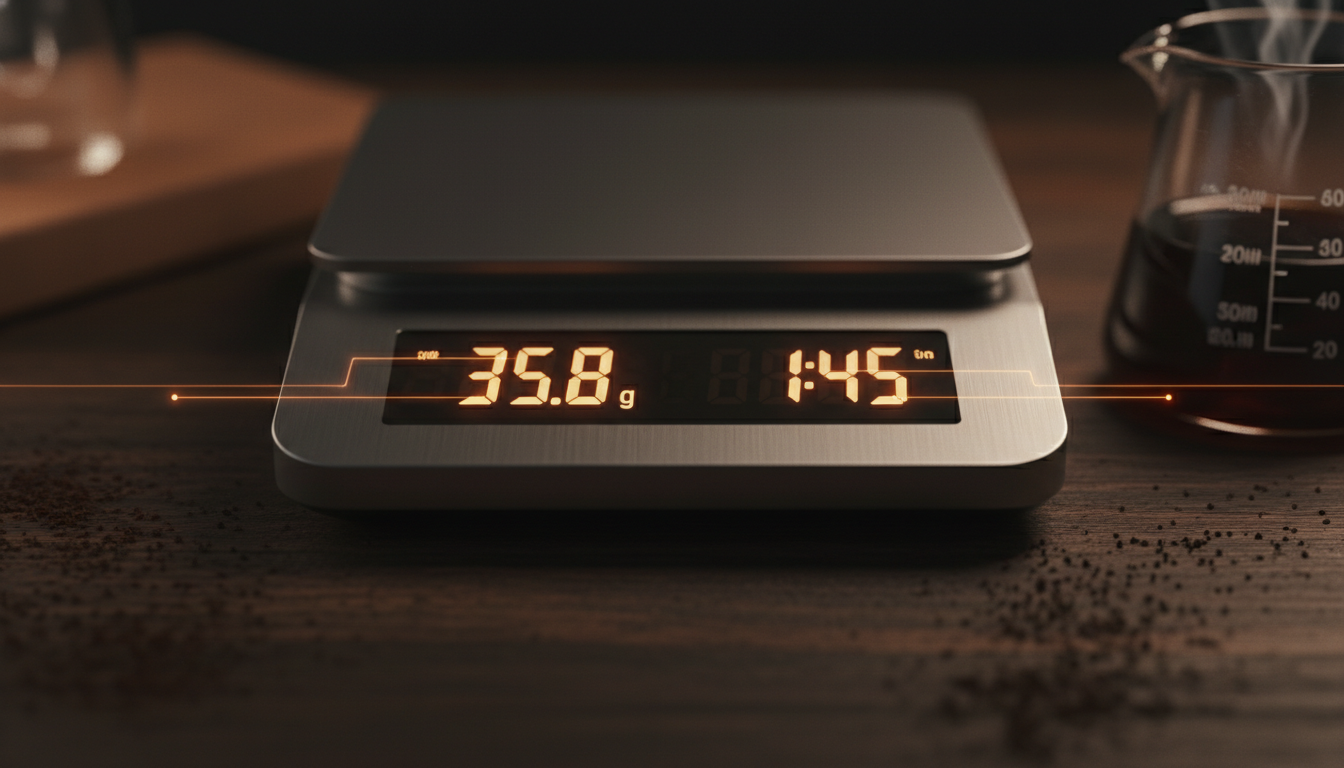
- • Weigh your dose (should be 18-20g for double)
- • Time your shot (should be 25-30 seconds)
- • Weigh your yield (should be 36-50g for espresso)
- • Check water temperature (should be 90-96°C/195-205°F)
Why it matters: Without measurements, you're guessing
Fix the Obvious First
Start with the easiest, most impactful changes
Actions:
- • Make grind finer if extraction is too fast
- • Ensure machine is fully warmed up
- • Check that you're using fresh coffee
- • Verify your dose is consistent
Why it matters: 80% of sour shots are fixed by these simple changes
Perfect Your Technique
Refine your preparation method
Actions:
- • Distribute grounds evenly before tamping
- • Apply firm, consistent tamping pressure
- • Clean portafilter between shots
- • Purge group head before extraction
Why it matters: Good technique prevents channeling and inconsistency
Consider Your Beans
Some beans naturally taste more acidic
Actions:
- • Try medium roast instead of light roast
- • Consider beans from Brazil or Colombia for lower acidity
- • Check roast date (should be within 3 weeks)
- • Store beans properly in airtight container
Why it matters: Bean selection dramatically impacts perceived acidity
Prevention Tips
Stop sour shots before they happen with these preventative habits.
Consistent Dosing
How to do it:
Use a scale every time, aim for 18-20g doubles
Why it works:
Consistent dose prevents under/over extraction
Proper Distribution
How to do it:
Use distribution tool or WDT tool to even grounds
Why it works:
Even distribution prevents channeling
Fresh Coffee
How to do it:
Buy beans with roast date, use within 3 weeks
Why it works:
Fresh coffee extracts properly and tastes sweet
Temperature Management
How to do it:
Warm machine 15+ minutes, purge group head
Why it works:
Stable temperature ensures consistent extraction
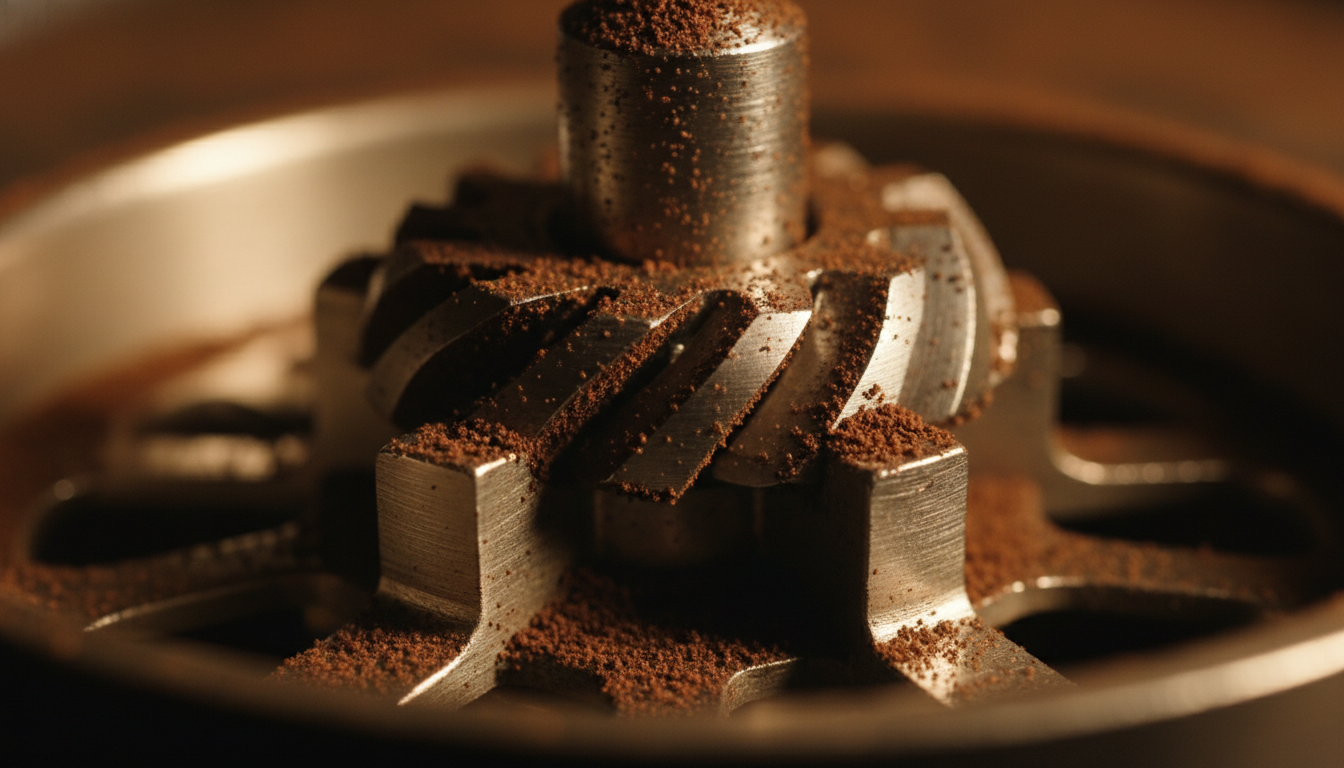
Regular Grinder Maintenance
How to do it:
Clean burrs weekly, check calibration monthly
Why it works:
Consistent grind size is crucial for extraction
When to Adjust What
Quick reference for what to change based on what you're experiencing.