Equipment Roundup
Level Up Your Setup
You've got the basics. Now discover the equipment that makes intermediate espresso easier, more consistent, and more enjoyable.
You've got the basics. Now discover the equipment that makes intermediate espresso easier, more consistent, and more enjoyable.
Essential Items
Nice-to-Have Items
Total Investment
Consistency Gain
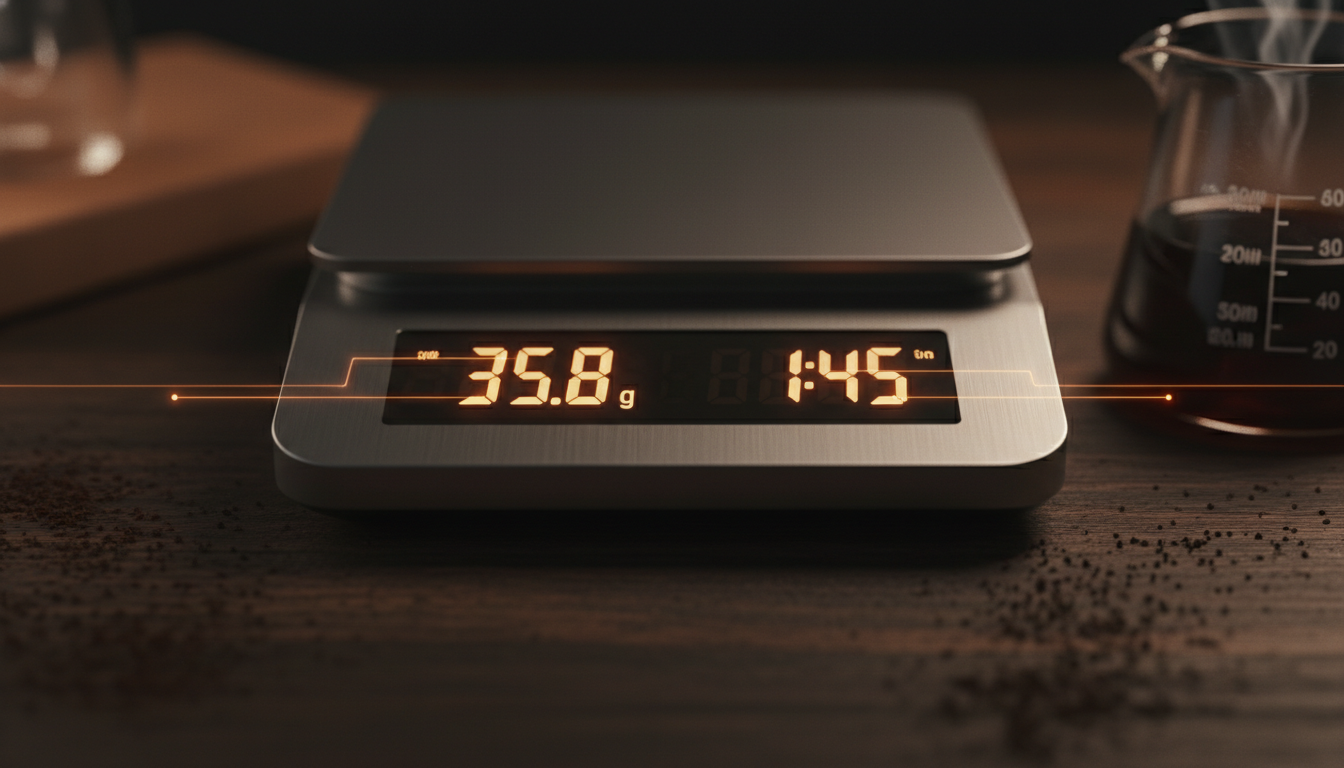
What it is: Precision scale that measures to 0.1g
Why you need it: Espresso is about ratios. 18g in, 36g out. Without a scale, you're guessing. With a scale, you're consistent.
How it helps: Eliminates one variable. Your shots become reproducible.
Recommendations: Hario V60 Scale, Acaia Pearl, or any coffee-specific scale
Priority: HIGH - This is the single best investment after a grinder
What it is: Precision timer (phone app works too)
Why you need it: Shot timing matters. 25-30 seconds is standard. Without timing, you're guessing when to stop.
How it helps: Removes guesswork. Your shots become consistent.
Recommendations: Any timer works. Phone app is free. Dedicated timer is $15-30.
Priority: HIGH - Essential for dialing in
What it is: Tool that evens out ground distribution before tamping
Why you need it: Uneven grounds = uneven extraction = bad shots. Distribution tools fix this.
How it helps: More consistent shots. Fewer channeling issues.
Recommendations: Espresso Leveler, WDT (Weiss Distribution Technique) tool, or DIY needle tool
Priority: MEDIUM - Helpful but learnable without it
What it is: Flat-bottom tamper with consistent weight
Why you need it: Consistent tamping pressure is crucial. A good tamper helps you achieve this.
How it helps: More consistent shots. Better pressure distribution.
Recommendations: Espresso Leveler, Normcore, or any flat-bottom tamper
Priority: MEDIUM - Your machine probably came with one, but a better one helps
What it is: Backflush brush, cleaning powder, descaling solution
Why you need it: Espresso machines need regular maintenance. Proper cleaning extends machine life and maintains quality.
How it helps: Machine stays reliable. Espresso quality stays consistent.
Recommendations: Cafiza cleaning powder, Backflush brush, Descaling solution
Priority: HIGH - Maintenance is non-negotiable
Proper espresso cups (3-4 oz) make a difference. They keep shots hot and look professional. Not essential but nice.
Helps you learn proper steaming temperature (65-70°C). Once you learn, you can steam by feel. But it's helpful for beginners.
Container for spent grounds. Keeps your counter clean. Nice convenience item but not essential.
Keeps your portafilter organized. Looks nice on the counter. Purely aesthetic but appreciated by enthusiasts.
Quality pitcher makes milk steaming easier. Stainless steel, 12-20 oz. Better control than cheap pitchers.
Microfiber cloth for wiping down machine. Keeps everything looking clean. Minor convenience item.
Specialized brush for cleaning grinder burrs. Helps maintain grinder performance. Nice but not essential.
Silicone mat for consistent tamping. Helps you maintain pressure. Nice for learning but learnable without it.
Minimum Setup ($150-200)
Recommended Setup ($250-350)
Complete Setup ($400-500)
Start with the minimum setup. Add items as you need them. Don't buy everything at once.
Buy: Digital scale + timer + distribution tool. These eliminate variables and make dialing in possible.
Buy: Cleaning supplies + better tamper. Maintenance keeps your machine reliable. Better tamper improves consistency.
Buy: Espresso cups, milk pitcher, knock box. These are nice but not essential. Only buy if they improve your daily experience.
Buying everything at once
You don't need all this gear immediately. Start with scale + timer + distribution tool. Add as needed.
Buying cheap versions of essential items
Scale and timer are worth investing in. Cheap scales are unreliable. Cheap timers are frustrating.
Neglecting maintenance supplies
Cleaning supplies aren't optional. They're essential for machine longevity and espresso quality.
Buying nice-to-have before essential
Don't buy espresso cups before you buy a scale. Prioritize items that improve espresso quality, not aesthetics.
Start with a digital scale and timer. These are the foundation of consistent espresso. Then explore complete beginner setup guide, check out maintenance best practices, or read about intermediate techniques to understand what skills to develop next.