Espresso Science
Grinder Retention and Espresso Consistency
How retained grounds affect shot quality. Minimize exchange rates for repeatable, predictable espresso extractions.
How retained grounds affect shot quality. Minimize exchange rates for repeatable, predictable espresso extractions.
Typical Retention
Target for Consistency
Shot Time Variance
Best Solution
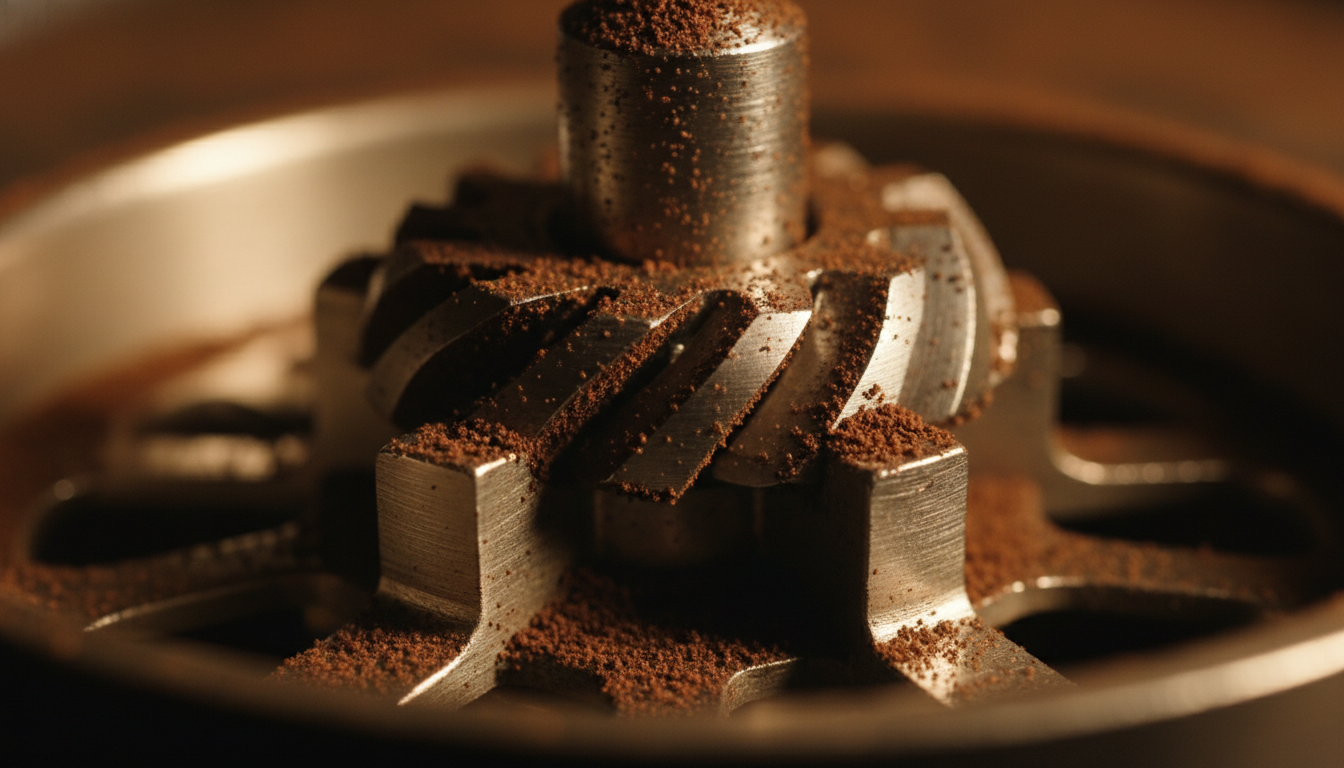
Grinder retention is the amount of ground coffee remaining inside a grinder after the grinding cycle completes. Exchange retention specifically refers to the stale grounds from previous sessions that mix with fresh coffee in subsequent grinds. This exchange contaminates fresh grounds with oxidized, staler coffee, degrading flavor and consistency.
Retention significantly impacts espresso consistency because even small amounts (0.5-1g) of stale coffee mixed with fresh grounds alter extraction characteristics. The stale component extracts differently than fresh coffee, creating unpredictable shot timing, uneven extraction, and muddled flavor profiles that vary between shots.
✓ Retention Effects:
How different retention levels affect espresso shot consistency and quality. Lower retention enables more predictable results.
| Retention Level | Shot Consistency | Dial-In Difficulty | Flavor Impact | Recommendation |
|---|---|---|---|---|
| <0.1g (Zero) | Excellent | Easy | No degradation | Ideal |
| 0.1-0.3g (Low) | Very Good | Easy-Moderate | Minimal impact | Acceptable |
| 0.3-0.5g (Moderate) | Good | Moderate | Noticeable impact | Manageable |
| 0.5-1.0g (High) | Variable | Difficult | Significant impact | Needs mitigation |
| >1.0g (Very High) | Poor | Very difficult | Severe impact | Unacceptable |
Retained grounds begin oxidizing immediately after grinding, losing aromatics and developing stale flavors within minutes. When mixed with fresh grounds, these stale particles extract differently—over-extracting bitter compounds while under-delivering volatile aromatics. The result is inconsistent flavor profiles shot-to-shot.
Stale Coffee Timeline:
The exchange rate—the percentage of retained coffee that exits with each new grind—varies based on grinder design, vibration, and dose size. Inconsistent exchange means unpredictable stale-to-fresh ratios in each shot. First shot of the day contains the most stale coffee; subsequent shots stabilize but still contain contamination.
Exchange Example (1g retention):
Grind retention makes dialing in new beans exceptionally frustrating. Adjustment effects are masked by retention variability—did the shot change because of the grind adjustment or because of different retention exchange? This uncertainty extends the dial-in process and can lead to chasing inconsistent targets.
Retention vs Retention-Free:
Converting to single-dose grinding eliminates retention issues entirely. Weigh beans before grinding, grind only what you need, and enjoy zero exchange retention. Purpose-built single-dose grinders like the Niche Zero and DF64 achieve under 0.1g retention naturally. For hopper grinders, single-dose workflows with purge shots can reduce impact.
For grinders with retention, purge the first 2-5g of each session to clear stale grounds. Some users run a small amount of new beans through before their actual dose. While wasteful, this practice ensures fresh coffee in the portafilter. Calculate purge costs against grinder upgrade costs to determine optimal approach.
Many grinders can be modified for lower retention. Tilted bases help grounds exit. Bellows systems (DF64) push retained coffee out. Spray tubes add moisture to reduce static retention. Chute modifications smooth exit paths. Research your specific grinder model for community-developed retention-reduction mods.
Using consistent dose sizes helps stabilize exchange rates. Variable doses (single vs double shots) create different retention dynamics. If your grinder retains 1g, a 10g single shot is 10% stale, while an 18g double is only 5.5% stale. Consider grinding for two shots even when making one, saving half for immediate second use.
Deep dive into retention mechanisms and measurement.
9 MIN READGrinders designed for minimal retention.
8 MIN READWorkflow for retention-free espresso preparation.
10 MIN READUnderstanding acceptable retention levels.
7 MIN READTechniques to minimize retention in any grinder.
8 MIN READComparing top low-retention options.
9 MIN READLow-retention grinding transforms espresso consistency. Every shot uses fresh coffee, every time.
Explore Solutions