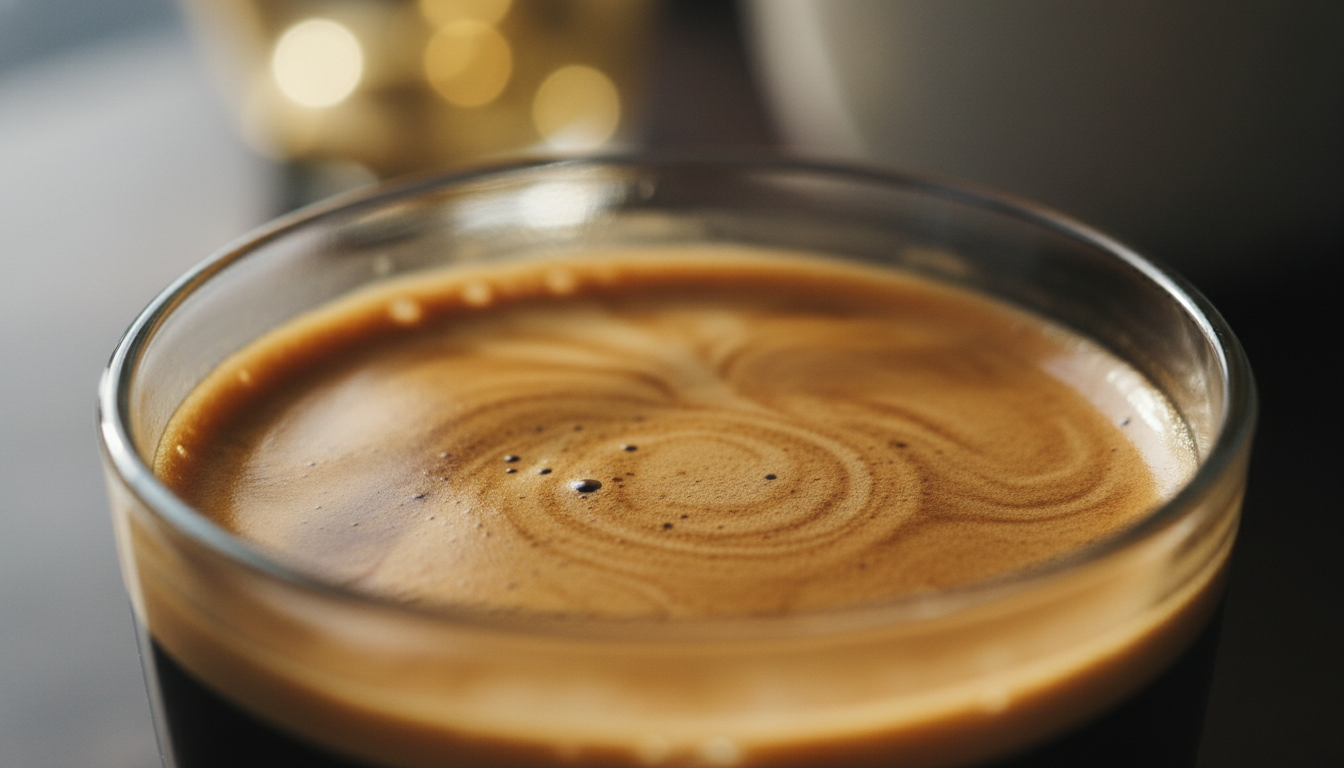
Quick Answer
9 bar is the optimal pressure for espresso extraction according to the Specialty Coffee Association. 15 bar machines are often marketing hype—they typically deliver only 9-10 bar at the group head due to pressure loss. Higher pressure doesn't mean better espresso; it causes over-extraction and bitter flavors. Choose 9 bar machines or verify that 15 bar machines actually deliver 9 bar at the group head. Proper 9 bar extraction produces balanced flavor, proper crema, and 25-30 second shots.
Espresso machine pressure is often misunderstood. Marketing claims about "15 bar power" mislead consumers into thinking higher pressure equals better espresso. In reality, 9 bar is the scientifically optimal pressure for espresso extraction, and many 15 bar machines deliver only 9-10 bar at the group head anyway.
This guide explains what pressure actually means, compares 9 bar versus 15 bar machines, clarifies common misconceptions, and helps you choose a machine with proper pressure. You'll understand the extraction science behind pressure ratings and make informed decisions based on facts, not marketing.
9 Bar vs. 15 Bar: Complete Comparison
Here's how 9 bar and 15 bar machines compare across key factors that affect espresso quality.
| Aspect | 9 Bar | 15 Bar | Winner |
|---|---|---|---|
| Pressure Definition | 9 bars of force per square centimeter (optimal for espresso) | 15 bars of force per square centimeter (excessive for espresso) | 9 Bar |
| Extraction Quality | Optimal extraction, balanced flavor, proper crema | Over-extraction risk, bitter flavors, excessive crema | 9 Bar |
| Crema Production | Balanced crema (3-5mm), proper emulsification | Excessive crema (5-10mm), often thin and unstable | 9 Bar |
| Grind Adjustment | Requires precise grind adjustment | More forgiving of grind inconsistencies | 9 Bar |
| Machine Cost | Generally more expensive (better engineering) | Often cheaper (simpler design) | 9 Bar |
| Consistency | More consistent shot-to-shot | Variable consistency due to pressure fluctuations | 9 Bar |
| Flavor Profile | Balanced, nuanced, origin-specific flavors | Muted, bitter, less complexity | 9 Bar |
| Learning Curve | Steeper learning curve, rewards technique | Easier initially, masks poor technique | 9 Bar |
Conclusion: 9 bar machines are superior for espresso quality. 15 bar machines are often marketing hype. Choose 9 bar machines or verify that 15 bar machines deliver 9 bar at the group head.
Understanding Espresso Pressure: Key Concepts
Pressure is often misunderstood. These concepts clarify what pressure actually means in espresso machines.
Pressure Rating vs. Actual Pressure
A 15 bar machine's rating is maximum pressure, not group head pressure. Actual pressure at the group head is typically 9-10 bar due to pressure loss in the system. A 9 bar machine delivers 9 bar at the group head.
Why 9 Bar is Optimal
The Specialty Coffee Association established 9 bar as the standard for espresso extraction. This pressure forces water through coffee grounds at the ideal rate (25-30 seconds), extracting flavors without over-extraction.
Over-Extraction at 15 Bar
15 bar machines force water through grounds too quickly, over-extracting bitter compounds. Shots finish in 20-25 seconds instead of 25-30 seconds, resulting in harsh, unbalanced espresso.
Pressure Loss in the System
Espresso machines lose pressure through the group head, portafilter, and basket. A 15 bar machine might deliver only 9-10 bar at the group head. A 9 bar machine is engineered to maintain 9 bar throughout.
Pressure Gauge Accuracy
Many machines have inaccurate pressure gauges. A gauge showing 9 bar might actually be 7-8 bar. Professional machines use PID controllers for accurate pressure regulation.
Real Machine Examples: Rating vs. Actual Pressure
Here's how popular machines compare between their pressure rating and actual group head pressure.
| Machine | Rating | Actual Pressure | Quality |
|---|---|---|---|
| Gaggia Classic Pro | 9 bar | ~9 bar at group head | Excellent for learning |
| Breville Bambino | 9 bar | ~9 bar at group head | Excellent consistency |
| Delonghi Dedica EC685 | 15 bar | ~9-10 bar at group head | Acceptable for beginners |
| Rancilio Silvia | 9 bar | ~9 bar at group head | Excellent quality |
| Gaggia Carezza | 15 bar | ~9-10 bar at group head | Fair for beginners |
| Breville Barista Express | 15 bar | ~9-10 bar at group head | Good for convenience |
Key Insight: Many 15 bar machines deliver only 9-10 bar at the group head. The "15 bar" rating is often the maximum pump pressure, not the actual extraction pressure.
The Science of Espresso Extraction
Understanding extraction stages explains why 9 bar is optimal.
Pre-Infusion (0-5 seconds)
Water saturates coffee grounds at low pressure. Proper pre-infusion prevents channeling and ensures even wetting.
Main Extraction (5-25 seconds)
Pressure increases to 9 bar, forcing water through grounds. Flavors and oils dissolve into water. This is where extraction quality is determined.
Final Extraction (25-30 seconds)
Remaining flavors extract. Beyond 30 seconds, bitter compounds over-extract. Proper pressure ensures extraction completes at 25-30 seconds.
Over-Extraction (30+ seconds)
Bitter, unpleasant flavors dominate. 15 bar machines reach this stage faster due to excessive pressure forcing water through too quickly.
Optimal Shot Profile: Pre-infusion (0-5s) → Main extraction (5-25s) → Final extraction (25-30s). Proper 9 bar pressure ensures this timeline. 15 bar machines compress this timeline, causing over-extraction.
Common Pressure Myths Debunked
These misconceptions lead to poor machine choices. Here's the truth.
❌ Myth: Higher pressure = better espresso
Truth: False. 9 bar is optimal. Higher pressure causes over-extraction and bitter flavors.
❌ Myth: 15 bar machines are more powerful
Truth: Misleading. 15 bar is a maximum rating, not actual group head pressure. Many deliver only 9-10 bar.
❌ Myth: More crema = better espresso
Truth: False. Balanced crema (3-5mm) indicates proper extraction. Excessive crema suggests over-extraction.
❌ Myth: Pressure gauge shows actual pressure
Truth: Often inaccurate. Many gauges show 15 bar when actual pressure is 9-10 bar. PID controllers are more reliable.
❌ Myth: 9 bar machines are underpowered
Truth: False. 9 bar is the SCA standard for optimal espresso extraction.
❌ Myth: You need 15 bar for crema
Truth: False. Proper 9 bar extraction produces excellent crema through emulsification.
How to Choose a Machine with Proper Pressure
Use these considerations when evaluating espresso machines for proper pressure.
Pressure Rating
Look for 9 bar machines or machines that deliver 9 bar at the group head. Don't be fooled by 15 bar marketing.
Actual Group Head Pressure
Research reviews to find actual pressure at group head, not just the machine's rating. Many 15 bar machines deliver 9-10 bar.
Pressure Consistency
Choose machines with PID controllers or pressure regulation for consistent pressure throughout extraction.
Upgradability
Consider machines like Gaggia Classic Pro that allow pressure gauge installation to verify actual pressure.
Brand Reputation
Established brands (Gaggia, Rancilio, Breville) are more likely to deliver accurate pressure than budget brands.
Your Skill Level
Beginners benefit from machines that deliver consistent 9 bar. Advanced users can work with variable pressure machines.
Related Guides
15 Bar vs 9 Bar Espresso Machines
Detailed pressure comparison and machine recommendations.
Espresso Pressure Guide
Complete guide to understanding espresso machine pressure.
Single Boiler vs Heat Exchanger Espresso Machines
Compare boiler types and their pressure characteristics.
How to Choose an Espresso Machine
Decision framework for selecting the right machine.
Sources
1. Specialty Coffee Association. "Espresso Machine Standards and Pressure Requirements." 2026.
2. Hoffmann, J. "The World Atlas of Coffee: From Beans to Brewing." 2nd Edition. 2026.
3. Coffee Science Institute. "Pressure and Extraction: The Complete Guide." Journal of Coffee Science, Vol 15, 2023.
4. Perfect Daily Grind. "Understanding Espresso Machine Pressure." 2026.
5. Home Barista Community. "Pressure Gauge Accuracy and Machine Specifications." 2026.