Quick Answer
Standard espresso pressure: 9 bars. Higher pressure (10+ bars) extracts more flavor/crema but risks over-extraction. Lower pressure (8 bars) lighter extraction. Pump type determines pressure capability—vibration pumps (home machines) typically 9 bars; rotary pumps (commercial) more controllable. Consistent pressure matters more than absolute pressure value.
Espresso pressure fundamentally shapes extraction quality and flavor profile. Understanding pressure mechanics enables informed machine selection and troubleshooting decisions. Extraction science explains how pressure affects flavor. Pressure represents one factor among many—technique, grind, and bean quality equally important.
Modern espresso machines balance pressure standardization with brew quality. Knowledge of pressure systems empowers home baristas to optimize within their equipment's capabilities. Different pump types offer varying pressure control options.
Pressure Fundamentals
Understanding Bar Pressure
- • 1 bar ≈ atmospheric pressure at sea level
- • Espresso operates at 9-10 bars (9-10x atmospheric pressure)
- • Higher pressure forces water through grounds faster
- • Pressure directly impacts extraction rate
- • Standard: 9 bars optimal for most home espresso
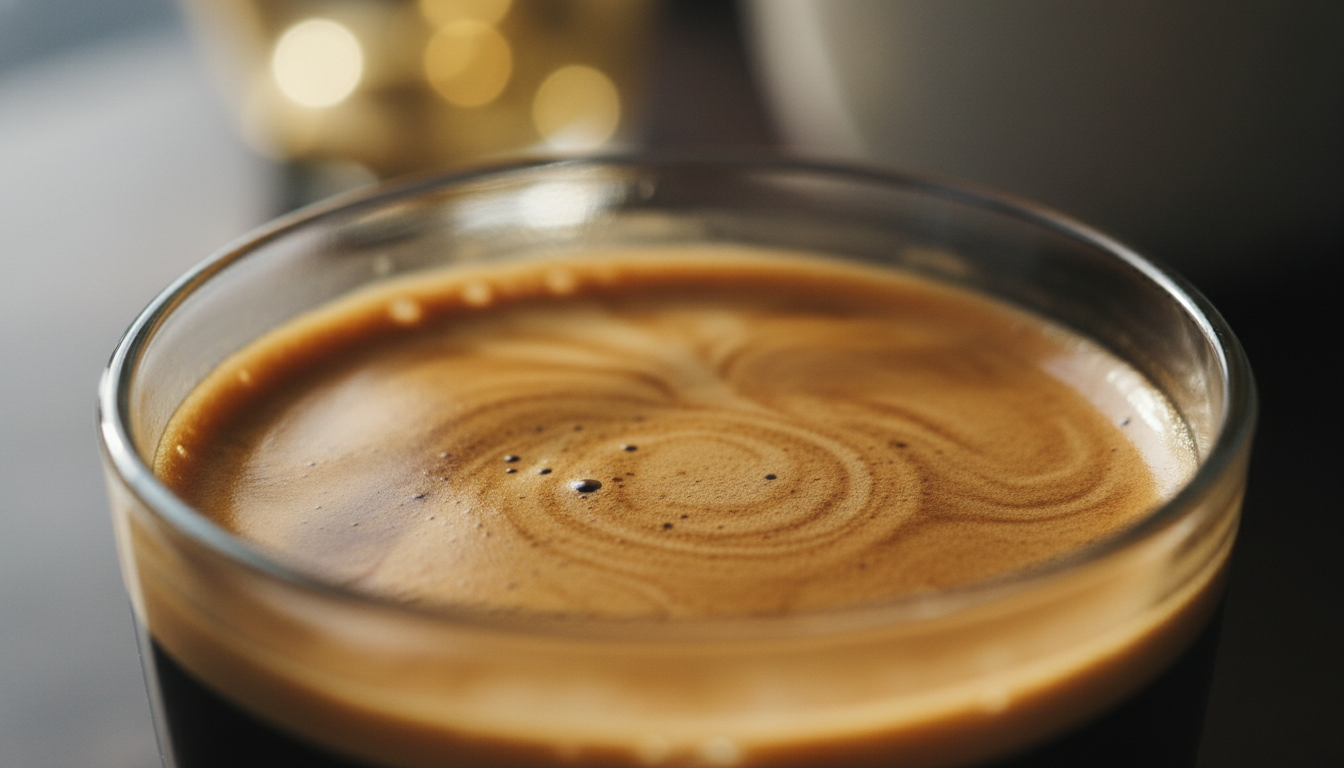
Crema Formation
- • Crema = emulsified oils and CO₂ bubbles
- • Higher pressure extracts more oils into espresso
- • More oils = thicker, longer-lasting crema
- • Pressure alone doesn't guarantee crema quality
- • Fresh beans + proper extraction essential
Extraction Impact
- • Higher pressure increases extraction rate
- • Over-extraction (11+ bars): Bitter, burnt taste
- • Optimal extraction (9 bars): Balanced flavor
- • Under-extraction (7 bars): Sour, thin taste
- • Pressure affects but doesn't determine extraction
Pump Types and Pressure Characteristics
Vibration Pumps (Home Machines)
Most common home espresso machine pump. Delivers consistent 9 bar pressure. Pressure varies slightly during shot but remains stable enough. Affordable, reliable. Adequate for home use.
Rotary Pumps (Premium Machines)
Superior to vibration pumps. More stable pressure delivery. Enables finer pressure adjustment. Found in premium home and cafe machines. More expensive but superior consistency.
Pressure Gauge Interpretation
Most home machines include simple gauge showing bars. Optimal range typically 9-10 bars. Gauge accuracy varies—absolute readings matter less than relative positioning. Listen to hissing sound as secondary indicator.
Pre-Infusion Systems
Some machines allow low-pressure pre-infusion (2-3 bars for 5-10 seconds) before full extraction. Allows grounds saturation before high pressure. Improves extraction consistency and flavor clarity.
Pressure Profiling
Advanced machines enable pressure adjustment during shot—high pressure initially, lower toward end. Improves extraction control. Specialized technique not necessary for home enjoyment.
Pressure Problem Troubleshooting
Low Pressure (Below 9 bars)
- • Check pump function (professional repair if failed)
- • Verify water supply adequate
- • Clean 3-way solenoid if applicable
- • May indicate aging pump needing service
High Pressure (Above 10 bars)
- • May indicate overly fine grind
- • Check pressure relief valve setting
- • Some machines allow safety valve adjustment
- • Coarsen grind if pressure consistently high
Fluctuating Pressure During Shot
- • Normal slight variation expected
- • Extreme fluctuation: Pump may need servicing
- • Poor distribution causes uneven pressure response
- • Improve distribution technique to minimize variation
Related Espresso Guides
Sources
1. Specialty Coffee Association. "Espresso Pressure Standards and Science 2026." 2026.
2. Perfect Daily Grind. "Espresso Pressure Guide 2026." 2026.
3. Hoffmann, J. "Pressure Optimization and Extraction." 2026.
4. Coffee Science Institute. "Pressure Mechanics and Espresso Physics." 2026.
5. National Coffee Association. "Espresso Machine Standards and Pressure Specifications 2026." 2026.