Understanding Espresso Pressure
Understanding espresso pressure is essential for dialing in espresso shots and optimizing extraction. The relationship between pump pressure and actual extraction pressure confuses many home baristas, but the science is straightforward once you understand how espresso pressure systems work.
Pump Pressure vs Extraction Pressure
The espresso machine pump receives a maximum pressure rating (commonly 15 bars), but the Over Pressure Valve (OPV) mechanism regulates the actual extraction pressure to approximately 9 bars. This safety device diverts excess pressure back to the water tank, preventing over-pressurization of the coffee bed. A 15-bar pump system produces 9-bar extraction through automatic regulation, making the pump rating a marketing specification rather than an extraction indicator.
What this means: A 15-bar pump rating does not mean 15-bar extraction pressure. Actual extraction pressure remains regulated to approximately 9 bars regardless of pump specifications.
Why 9 Bars is Optimal for Espresso Extraction
Espresso extraction research demonstrates that 9 bars represents the optimal pressure for balanced flavor compound dissolution. The Specialty Coffee Association identifies this standard because 9-bar pressure extracts desirable solubles (sugars, acids, aromatic compounds) while preventing bitter over-extraction compounds. Higher pressure intensifies over-extraction, causing harsh, astringent flavors. Lower pressure produces under-extraction and sour notes. This optimal pressure balances flavor complexity with sweetness.
What this means: Nine bars remains optimal for espresso quality. Pressures exceeding this standard during extraction cause bitterness and diminish overall cup quality.
Over Pressure Valve (OPV) Mechanism
The Over Pressure Valve is a hydraulic safety and quality regulation device installed in espresso machines. This mechanism monitors system pressure and automatically diverts excess pressure above the set threshold back into the water reservoir. The mechanical regulation prevents damage to machine components and ensures consistent extraction pressure. Most consumer espresso machines include an OPV calibrated to approximately 9-10 bars.
What this means: Most espresso machines already incorporate OPV regulation, limiting extraction pressure to 9-10 bars regardless of pump capacity rating.
Pre-Infusion and Variable Pressure Application
Pre-infusion describes a technique where espresso extraction begins at reduced pressure (2-4 bars) before ramping to full extraction pressure. This initial phase allows the coffee grounds to saturate with water and swell before the full 9-bar extraction pressure is applied. Variable pressure approaches distribute water more evenly through the coffee bed and reduce channeling (uneven water paths through grounds). Pressure profiling during extraction can enhance extraction uniformity.
What this means: Variable pressure application during espresso extraction provides extraction benefits. Pre-infusion at reduced pressure followed by standard extraction pressure improves shot quality.
Machine Comparison
15-Bar Consumer Espresso Machines
Examples: DeLonghi Dedica, Breville Barista Express, Gaggia Carezza, most entry-level machines
Actual extraction: 9-10 bars (regulated by Over Pressure Valve)
Verdict: Consumer espresso machines with 15-bar pump ratings produce identical extraction pressure to 9-bar systems. The pump rating functions as maximum capacity, not extraction specification. These machines achieve optimal 9-bar extraction through OPV regulation.
9-Bar Espresso Machines
Examples: Manual lever machines, commercial espresso systems, pressure-regulated machines
Actual extraction: 9 bars (optimized for extraction)
Verdict: 9-bar machines apply the Specialty Coffee Association standard extraction pressure directly. This machine type eliminates OPV regulation because the pump already outputs at optimal extraction pressure. The simplified hydraulic design maintains ideal extraction conditions.
Variable Pressure Espresso Machines
Examples: Decent Espresso DE1, La Marzocco Linea Mini, Rancilio Silvia, high-end programmable systems
Actual extraction: Adjustable 0-15 bars with pressure profiling capability
Verdict: Variable pressure machines allow operators to modify extraction pressure throughout the shot. Advanced users adjust pressure to optimize extraction for specific bean origins, roast levels, and grind profiles. Pressure profiling represents a distinct extraction technique.
Manual Lever Espresso Machines
Examples: Flair Espresso Maker, Cafelat Robot, La Pavoni Lever Machines, hand-operated systems
Actual extraction: User-controlled 6-10+ bars (operator-dependent)
Verdict: Manual lever machines place pressure control directly in the operator's hands. Lever-operated systems require operator technique and feel to maintain optimal extraction pressure. These machines appeal to espresso enthusiasts seeking direct control over extraction dynamics.
Common Myths Debunked
❌ Myth: Higher bar pressure equals better espresso quality
Truth: Nine bars remains optimal for espresso extraction according to Specialty Coffee Association standards. Extraction pressures exceeding this standard cause over-extraction and bitter flavor compounds. Higher pressure does not improve espresso cup quality.
Why this myth exists: Espresso machine manufacturers marketed 15-bar pump ratings as quality indicators to differentiate products. Marketing departments emphasized pump capacity rather than extraction pressure because 15-bar specifications sound more impressive than the actual 9-bar extraction. The higher number created consumer perception of superiority.
❌ Myth: 15-bar machines are mechanically more powerful than 9-bar machines
Truth: 15-bar pump ratings represent maximum pump capacity, not extraction capability. OPV regulation in 15-bar machines limits extraction pressure to approximately 9 bars. The pump rating functions as a marketing specification separate from extraction performance.
Why this myth exists: Equipment manufacturers use pump ratings in advertising because consumers often interpret higher numbers as indicating superior quality. Educating consumers about OPV regulation and optimal extraction pressure requires more explanation than simply stating pump specifications.
❌ Myth: Commercial espresso machines require 15+ bars for professional results
Truth: Commercial espresso machines standardly operate at 9-bar extraction pressure, the same as consumer machines with OPV regulation. Professional baristas prioritize extraction quality and temperature stability rather than excessive pressure. Most commercial machines feature identical 9-bar extraction pressure to optimize cup quality.
Why this myth exists: Commercial cafés make purchasing decisions based on extraction results rather than specifications. Professional baristas recognize that 9-bar extraction pressure produces superior cup quality. The equipment industry market dynamics differ between consumer and commercial segments.
❌ Myth: Low bar machines cannot produce quality crema
Truth: Espresso crema quality depends on multiple variables including bean freshness, roast level, grind consistency, and extraction technique. Extraction pressure represents only one variable in crema development. Machines operating at 9-bar extraction pressure consistently produce quality crema when other extraction variables are optimized.
Why this myth exists: Crema quality appears visually prominent and consumers often link crema to espresso quality. Some operators believed higher pressure would increase crema production. Espresso science has clarified that crema development depends on bean freshness and extraction uniformity rather than pressure magnitude.
What Actually Matters for Espresso
Rather than obsessing over bar ratings, focus on factors that genuinely impact espresso quality. A quality espresso grinder matters far more than pump specifications. Fresh coffee bean selection and proper weighing with a coffee scale create dramatic quality improvements.
Coffee Grind Consistency
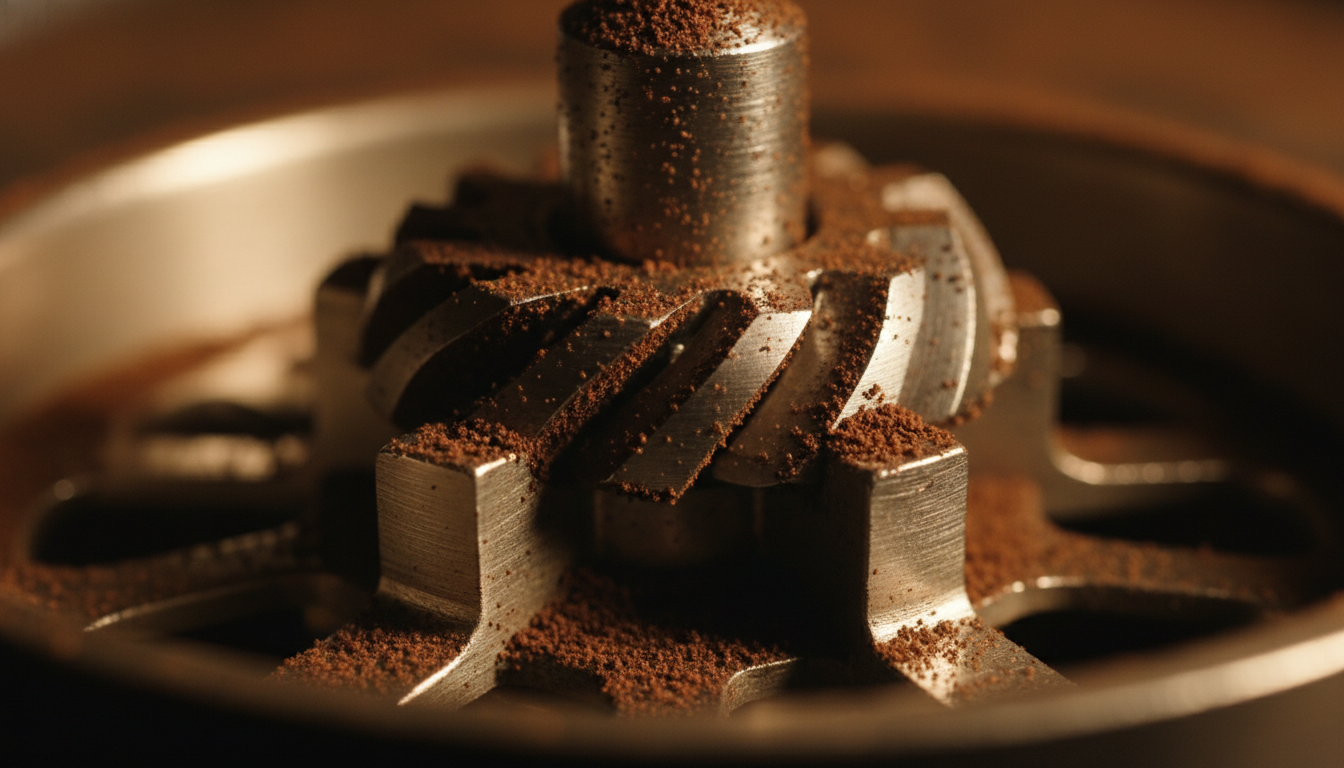
CriticalConsistent fine grind quality directly determines water distribution through the coffee bed. Burr grinder quality produces more uniform coffee particle distribution than blade grinders. Uniform coffee particles create even water percolation and prevent channeling (water flowing preferentially through certain grounds). Grind consistency fundamentally impacts extraction more than any pump specification.
Water Temperature Stability
Very ImportantEspresso extraction temperature affects flavor compound dissolution rates and extraction chemistry. PID (Proportional Integral Derivative) controllers or heat exchanger systems maintain stable brewing temperature throughout the shot. Temperature stability prevents extraction variations caused by fluctuating water temperatures. Machine temperature regulation affects cup quality more significantly than pressure specifications.
Fresh Coffee Beans
CriticalCoffee bean freshness directly determines flavor compound availability and extraction potential. Beans reach peak flavor window between 7 to 14 days after roasting, after CO2 degassing and flavor development. Beans older than 30 days experience staling and reduced flavor complexity. Fresh bean quality and roast date matter substantially more than espresso machine pressure specifications.
Coffee Bed Distribution and Tamping
ImportantEven coffee grounds distribution prevents channeling and ensures uniform water flow through the portafilter basket. Proper tamping technique applies consistent downward pressure to compact the coffee bed evenly. Distribution tools and WDT (Weiss Distribution Technique) improve extraction uniformity. Proper distribution technique affects extraction quality across all machine pressure types.
Dose and Shot Ratio
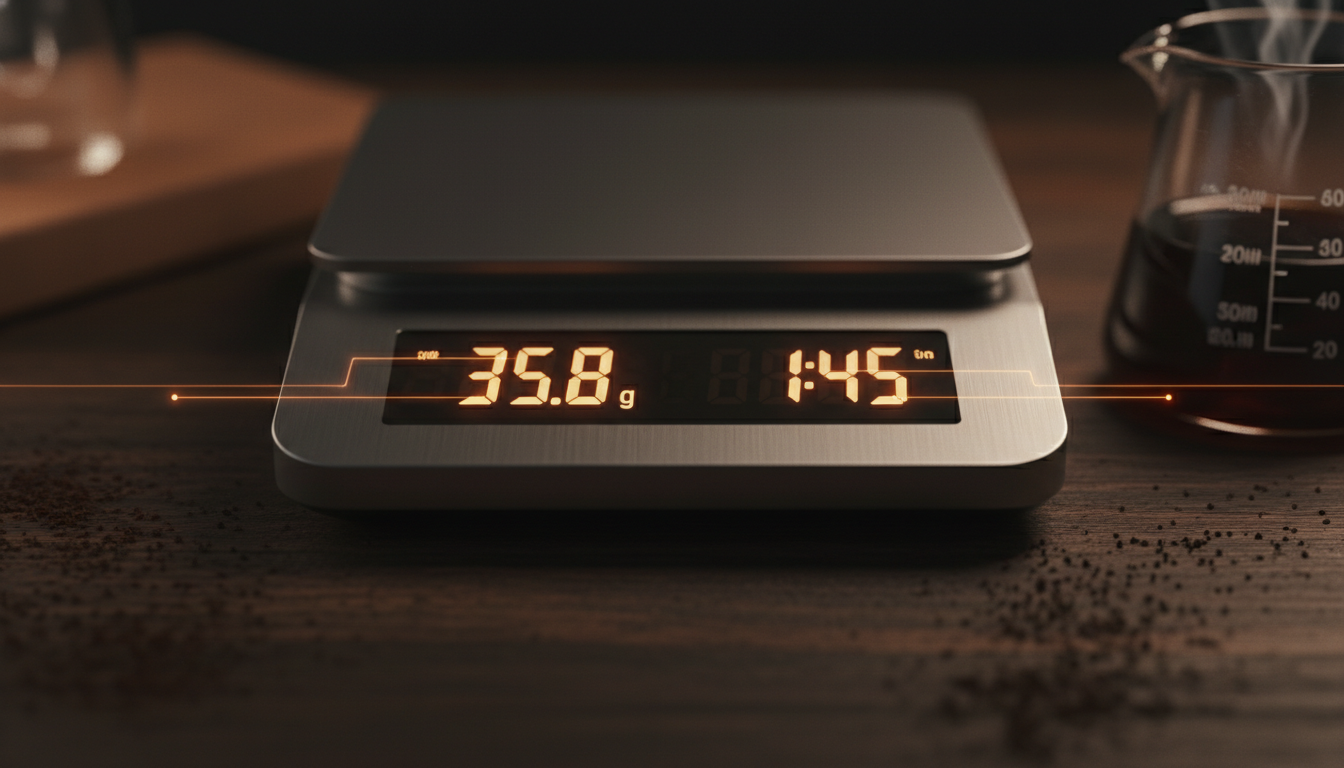
ImportantThe espresso dose-to-yield ratio defines extraction strength and flavor balance. Standard espresso recipes recommend 1:1.5 to 1:3 ratios (input grams to output grams). A typical 18-gram dose pulling 36-40 grams output in 25-30 seconds demonstrates proper extraction regardless of machine pressure specifications. Dose and ratio adjustments produce more flavor variation than pressure modifications.
When Pressure Does Matter
Pressure Profiling Technique
Advanced espresso techniquePressure profiling modifies espresso extraction pressure during the shot to optimize flavor extraction. Variable pressure espresso machines allow operators to start extraction at lower pressure (pre-infusion phase), then increase to standard pressure during the main extraction phase. Advanced pressure profiling adjusts pressure based on specific bean characteristics, roast levels, and grind profiles. Pressure profiling represents an advanced technique requiring operator expertise.
Machines: Decent DE1, La Marzocco Linea Mini, Rancilio Silvia, manual lever machines, high-end programmable systems
Pre-Infusion Coffee Saturation
Helpful extraction enhancementPre-infusion applies low pressure (2-4 bars) at the beginning of espresso extraction to saturate the coffee grounds before full-pressure extraction begins. Coffee grounds swell and absorb water uniformly during low-pressure pre-infusion. This pre-saturation phase reduces channeling (uneven water distribution) and improves overall extraction uniformity. Pre-infusion improves shot quality for many coffee origins and roast levels.
Machines: Breville Barista Express, Gaggia machines, mid-range espresso systems with pre-infusion capability
Light Roast Coffee Extraction
Moderate consideration for light roastsLight roast coffee beans require careful extraction to avoid sour under-extraction and bitter over-extraction. Some espresso operators advocate adjusting extraction pressure (6-7 bars) for light roasts compared to the standard 9-bar pressure used for medium and dark roasts. Light roast extraction pressure adjustment represents a specialized technique for optimizing specific bean origins.
Machines: Manual lever machines, variable pressure espresso systems, programmable machines