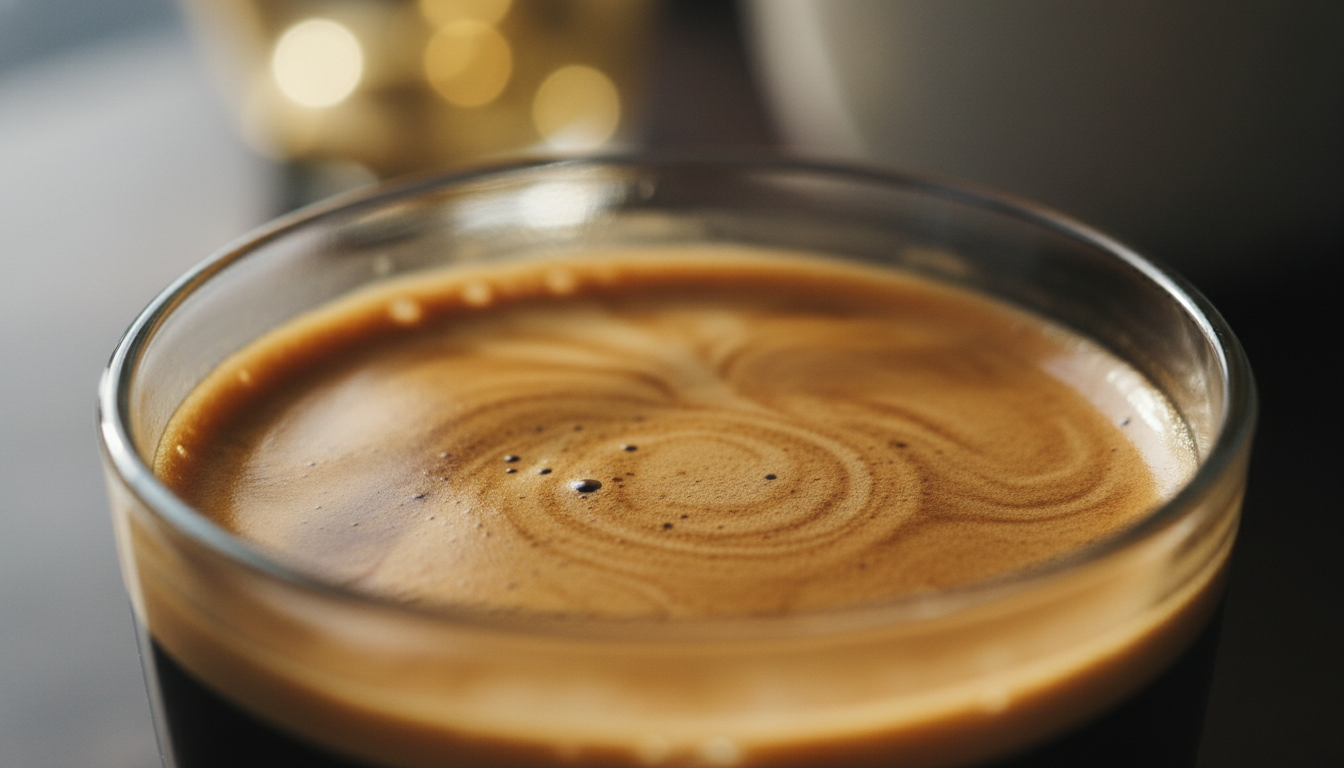
What to Expect Under $500
The sub-$500 espresso machine market has evolved dramatically over the past few years. What was once dominated by unreliable, low-quality machines now includes several excellent options that can genuinely produce café-quality espresso. However, you need to understand what you're getting—and what you're giving up—at this price point.
The Sweet Spot Reality
At under $500, you're looking at machines that excel at one thing: producing solid espresso. You won't find dual boilers, built-in grinders, or advanced temperature control, but you will find machines that can consistently pull great shots when used correctly.
What You Get:
- • Reliable pressure control (9-15 bars)
- • Decent steam wands for milk drinks
- • Consistent temperature stability
- • Durable construction from reputable brands
- • Good customer support and warranty coverage
What You Don't Get:
- • Built-in grinders (budget machines need separate grinders)
- • Dual boiler systems (single boiler or thermoblock only)
- • Advanced temperature control
- • Pressure gauges on most models
- • Commercial-grade components
Our Top Recommendations
1. Breville Bambino Plus - Best Overall
The Bambino Plus represents the sweet spot in the budget espresso market. It delivers consistent shots with minimal fuss, thanks to Breville's intelligent heating system and auto-steaming wand. While it lacks a built-in grinder, its performance and reliability make it our top pick for beginners.
Key Features:
- • 3-second heat up time
- • Auto steam wand with adjustable temperature
- • 54mm portafilter with pressurized and non-pressurized baskets
- • Programmable shot volumes
- • Compact 11.5" width
Best For:
Beginners who want café-quality lattes and cappuccinos without the learning curve of manual steam wands. Perfect for small kitchens and busy mornings.
$399
Average Price
2. DeLonghi Dedica Style EC685 - Best for Small Spaces
At just 6.1 inches wide, the Dedica Style is the slimmest full-featured espresso machine on the market. Don't let its slim profile fool you—this machine packs a punch with 15 bars of pressure and a capable steam wand. It's perfect for apartments, dorm rooms, or anyone with limited counter space.
Key Features:
- • Ultra-slim 6.1" width design
- • 15 bar pressure pump
- • Manual steam wand with good control
- • Adjustable coffee spout for different cup sizes
- • Energy-saving auto shut-off
Best For:
Small apartment dwellers and students who need a full espresso setup but have minimal counter space. Great for those who want manual control over their drinks.
$279
Average Price
3. Gaggia Classic Pro - Best for Enthusiasts
The Gaggia Classic Pro is a legend in the home espresso community for good reason. It's essentially a commercial-grade machine stripped down to its essentials, offering incredible build quality and the ability to grow with you as your skills improve. This is a machine you can learn on and won't outgrow.
Key Features:
- • Commercial-grade 58mm portafilter
- • Stainless steel boiler and housing
- • Three-way solenoid valve
- • Powerful steam wand
- • Highly upgradable and modifiable
Best For:
Coffee enthusiasts who want to learn proper espresso technique and don't mind a steeper learning curve. Perfect for those who plan to upgrade components over time.
$449
Average Price
Key Features to Look For
When shopping for espresso machines under $500, certain features make the difference between frustration and success. Here's what to prioritize:
Pressure Control
Look for machines with 9-15 bars of pressure. Most budget machines hit this mark, but the consistency matters more than the maximum pressure. A stable 9-bar system beats an inconsistent 15-bar system every time.
Portafilter Size
54mm portafilters (Breville) offer consistency and are great for beginners. 58mm portafilters (Gaggia) provide more room for experimentation and better heat retention. 51mm portafilters (DeLonghi) are fine but limit your upgrade options.
Steam Wand Quality
If you drink lattes or cappuccinos, the steam wand matters. Look for wands with good articulation and sufficient steam pressure. Auto steam wands are great for beginners but limit your control as you advance.
Build Materials
Stainless steel housing and metal components last longer and provide better temperature stability than plastic. However, some plastic components (like drip trays) are acceptable and can make the machine easier to clean.
Water Tank Size
Smaller tanks mean more frequent refills but also fresher water. Look for removable tanks with clear water level indicators. 40-70oz is typical for this price range.
Budget Shopping Tips
Getting the best value under $500 requires smart shopping. Here's how to maximize your budget:
The Grinder Matters More Than The Machine
This is the most important advice for budget espresso shoppers: allocate at least $100-150 of your budget to a quality grinder. A $300 machine with a $150 grinder will outperform a $450 machine with a $50 grinder every time.
See our complete guide to budget espresso grinders for specific recommendations.
Smart Shopping Strategies:
- • Wait for sales: Most major retailers discount these machines 15-25% during Black Friday, Prime Day, and holiday seasons
- • Consider refurbished: Manufacturer-refurbished machines often come with the same warranty as new
- • Bundle deals: Some retailers include free grinders or accessories with machine purchases
- • Price match: Many retailers will price match competitors, especially during sales events
- • Previous generation: Last year's model often offers 90% of the performance for 70% of the price
Hidden Costs to Consider:
- • Grinder ($100-200)
- • Quality tamper ($20-50)
- • Cleaning supplies ($30/year)
- • Fresh coffee beans ($15-25/week)
- • Water filtration ($20-50)
Essential Accessories
Your espresso machine is only part of the equation. These accessories will dramatically improve your results:
Must-Have Items:
- • Quality Grinder: Baratza Encore, Ode Brew, or similar
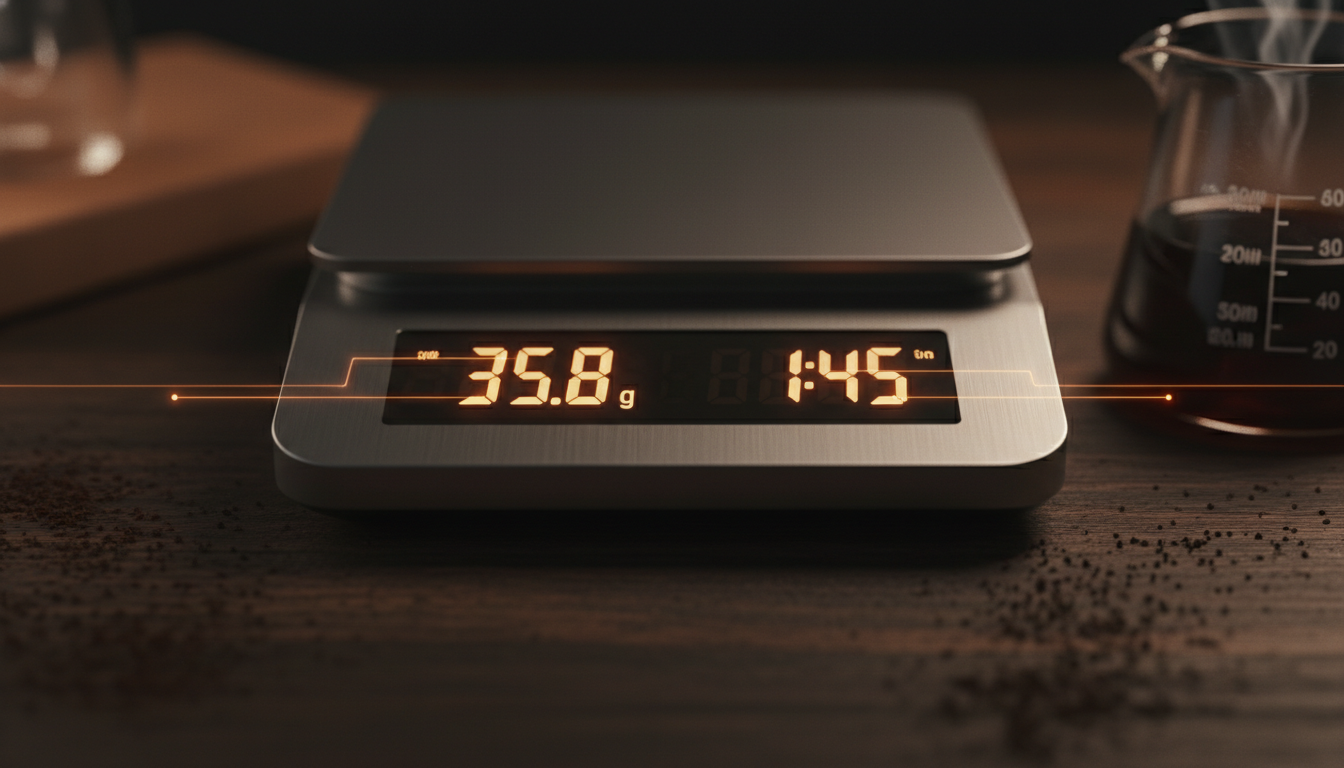
- • Digital Scale: With 0.1g accuracy and timer
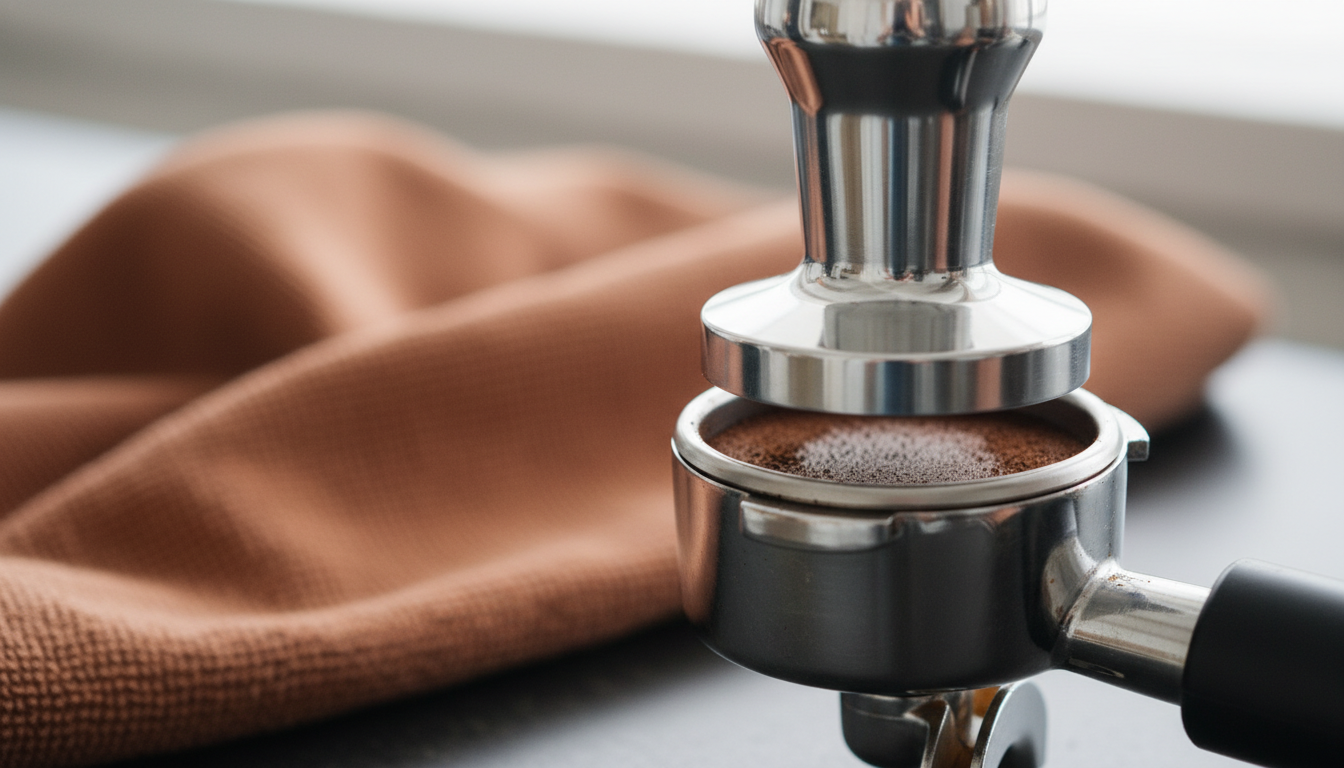
- • Proper Tamper: Sized for your portafilter
- • Cleaning Tools: Group head brush, cleaning powder
- • Fresh Beans: Roasted within 2 weeks
Nice-to-Have Upgrades:
- • Bottomless Portafilter: For diagnosing extraction issues
- • WDT Tool: For improving distribution
- • Puck Screen: For more even extraction
- • Milk Pitching: 12-20oz for latte art practice
- • Knock Box: For easy puck disposal
Complete starter kit: Check out our complete home barista starter kit guide for a comprehensive shopping list with specific product recommendations.
Common Beginner Mistakes
Avoid these pitfalls that trip up most new espresso owners:
Using Pre-Ground Coffee
Pre-ground coffee loses 40% of its aroma within 15 minutes of grinding. Fresh grinding is non-negotiable for good espresso.
Skipping the Scale
Espresso is about precision. Eyeballing your dose and yield will lead to inconsistent results. Always weigh your beans and shots.
Not Cleaning Regularly
Coffee oils build up quickly and affect taste. Clean your portafilter and steam wand after every use, deep clean monthly.
Wrong Coffee Beans
Light roast single origins can be difficult to extract well. Start with medium-dark roasts designed for espresso.
Impatience
Espresso takes practice. Don't expect perfect shots on day one. Keep a log of your shots and learn from each one.
Maintenance & Longevity
Proper maintenance will keep your budget machine running for years. Here's what you need to know:
Daily Maintenance (After Each Use):
- • Rinse portafilter and basket with hot water
- • Wipe steam wand immediately after use
- • Run a quick water flush through the group head
- • Empty and rinse drip tray
Weekly Maintenance:
- • Backflush with clean water (if your machine supports it)
- • Clean steam wand with specialized cleaner
- • Check and clean shower screen
- • Wipe down exterior and check for leaks
Monthly Deep Clean:
- • Deep clean with espresso machine cleaner
- • Descale if you have hard water
- • Check and clean grinder burrs
- • Inspect gaskets and seals
Water Quality Matters
Using filtered or bottled water can extend your machine's life by years. Hard water causes scale buildup that can destroy heating elements and clog internal components. See our complete descaling guide for detailed instructions.
Frequently Asked Questions
Q: Can I really get good espresso for under $500?
Absolutely. Modern budget machines can produce excellent shots when paired with a good grinder and proper technique. You won't get every bell and whistle, but you can definitely make café-quality espresso.
Q: Do I need a built-in grinder?
Not necessarily. Separate grinders almost always outperform built-in ones at this price point. A $300 machine plus $150 grinder will beat a $450 all-in-one machine every time.
Q: How long will these machines last?
With proper maintenance, 5-10 years is realistic. The Gaggia Classic Pro is known to last 15+ years with regular care. Most failures are due to neglect rather than manufacturing defects.
Q: Should I buy refurbished?
Manufacturer-refurbished machines can be excellent value, often coming with the same warranty as new units. Avoid third-party refurbs unless they have a good return policy.
Q: What's the learning curve like?
Auto machines like the Bambino Plus have a minimal learning curve. Manual machines like the Gaggia take 2-3 weeks of daily practice to master. Budget for a learning period and don't get discouraged.