Best Budget Grinder for Espresso: Complete Guide

The grinder makes or breaks your espresso. Learn which budget grinders actually deliver the consistency needed for great shots, and why investing in a good grinder matters more than your machine.

⏱️ 12 MIN READ 📅 UPDATED DECEMBER 2024 ⚙️ GRINDER GUIDE
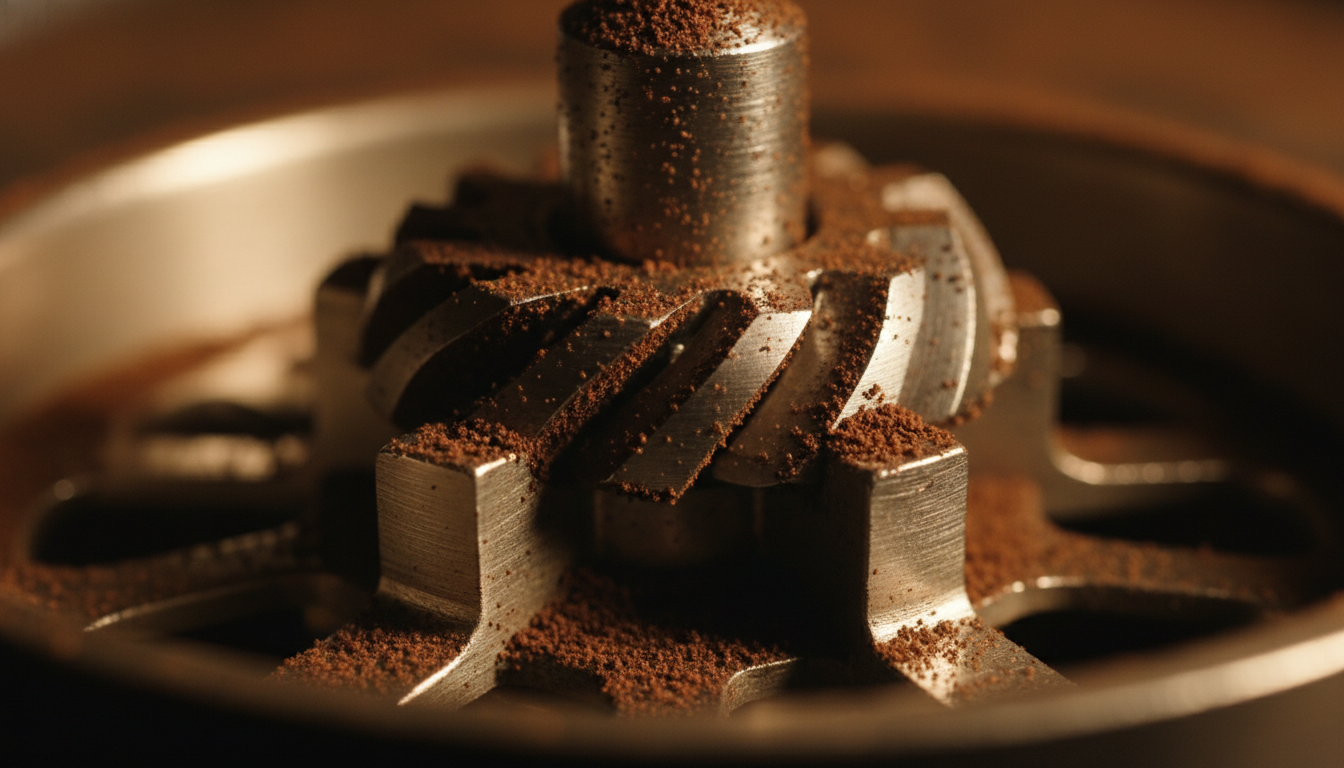
Close-up of coffee grinder burrs showing precision engineering essential for espresso grinding

The Best Budget Espresso Grinder

Baratza Encore ($129) is the best all-around choice for most beginners.

It offers reliable performance, excellent consistency, and proven durability. For manual enthusiasts, the 1Zpresso JX ($119) provides even better grind quality but requires manual operation. Both will dramatically improve your espresso over pre-ground coffee.

Golden rule: Spend more on your grinder than your machine for the first year. A $150 grinder + $100 machine beats $100 grinder + $150 machine every time.

Top 5 Budget Espresso Grinders

These grinders offer the best combination of price, performance, and reliability for espresso brewing.

Baratza Encore

$129-$149
Burr type: 40mm conical steel
Grind settings: 40 settings
Key features: Reliable, consistent, easy to use, good warranty
Best for: Beginners, daily espresso, all-around use

Pros: Excellent consistency, reliable brand, easy to clean

Cons: Limited fine adjustment, plastic construction

Espresso performance: Good for beginners, consistent results

Timemore C2

$99-$119
Burr type: 38mm conical steel
Grind settings: 30+ settings
Key features: Compact, solid build, good consistency
Best for: Budget-conscious, manual brewing enthusiasts

Pros: Excellent value, solid construction, portable

Cons: Manual operation, smaller capacity

Espresso performance: Very good for price, requires technique

1Zpresso JX

$119-$139
Burr type: 48mm conical steel
Grind settings: 90 settings
Key features: Excellent grind quality, solid build, precise adjustment
Best for: Quality-focused beginners, manual brewing

Pros: Superb grind consistency, precise adjustments, durable

Cons: Manual only, learning curve

Espresso performance: Excellent, rivals electric grinders

Virtuoso+

$249-$279
Burr type: 40mm conical steel
Grind settings: 40 settings
Key features: Digital timer, excellent consistency, quiet operation
Best for: Serious beginners, upgrade path

Pros: Very consistent, precise dosing, reliable

Cons: Higher price point, still plastic body

Espresso performance: Very good, professional consistency

Fellow Ode Brew Grinder

$299-$329
Burr type: 64mm flat steel
Grind settings: 31 settings + micro-adjust
Key features: Exceptional grind quality, beautiful design, quiet
Best for: Quality enthusiasts, design-conscious buyers

Pros: Outstanding grind quality, minimal retention, stylish

Cons: Expensive, no built-in dosing, single-dose only

Espresso performance: Excellent, but designed for filter brewing

What Makes a Good Espresso Grinder

Not all grinders work well for espresso. Here's what separates espresso-capable grinders from the rest.

Burr Size and Type

Why it matters: Larger burrs and better materials create more consistent grinds
Good for espresso: 40mm+ conical or 38mm+ flat burrs
Budget reality: 38-40mm conical burrs are sweet spot for budget
Impact: Consistent particle size = even extraction

Grind Adjustment

Why it matters: Espresso requires precise, repeatable grind settings
Good for espresso: Stepless or fine stepped adjustment
Budget reality: 30+ stepped settings minimum for espresso
Impact: Ability to dial in shots precisely

Build Quality

Why it matters: Stable construction prevents wobble and ensures consistency
Good for espresso: Metal components, stable base
Budget reality: Some plastic acceptable if core is solid
Impact: Long-term reliability and consistent performance

Motor Power (Electric)

Why it matters: Sufficient power prevents stalling and heat buildup
Good for espresso: Strong, low-RPM motors
Budget reality: Basic motors fine for home use
Impact: Consistent grinding without overheating

Budget Categories Explained

Understanding what you get at different price points helps set realistic expectations.

Under $100 (Entry Level)

Investment: $70-100
Expected quality: Basic espresso capability
Best use: Learning, occasional espresso
Recommendations: Timemore C2, Hario Skerton Pro

Upgrade path: Plan to upgrade within 1-2 years

$100-200 (Sweet Spot)

Investment: $120-180
Expected quality: Good daily espresso
Best use: Daily espresso, learning technique
Recommendations: Baratza Encore, 1Zpresso JX

Upgrade path: Can last 3-5 years before upgrade needed

$200-300 (Premium Budget)

Investment: $220-280
Expected quality: Excellent espresso consistency
Best use: Serious espresso, quality focus
Recommendations: Baratza Virtuoso+, Fellow Ode

Upgrade path: Long-term solution, may never need upgrade

Manual vs Electric Grinders

Manual grinders often outperform electrics at the same price point. Here's how they compare.

Grind Quality

Manual for same price point
Manual: Excellent, often better than electrics at same price
Electric: Good to excellent, depends on price

Convenience

Electric
Manual: Requires physical effort, slower
Electric: One-button operation, fast

Consistency

Tie
Manual: Very consistent with proper technique
Electric: Consistent once calibrated

Portability

Manual
Manual: Compact, travel-friendly
Electric: Requires power, bulky

Durability

Manual
Manual: Simple mechanics, very durable
Electric: More components, potential failure points

Learning Curve

Electric
Manual: Requires technique development
Electric: Easier for beginners

The Verdict

Manual grinders offer better value under $150. You get superior grind quality for the price, but trade convenience. Electric grinders become the better choice above $200.

Essential Features for Espresso

These features are non-negotiable for good espresso grinding. Don't compromise on these.

Fine Grind Capability

Why essential: Espresso requires very fine, consistent grinds
What to look for: Ability to grind fine enough for 25-30 second shots

Red flag: Can't achieve fine espresso grind

Low Retention

Why essential: Stale grounds affect flavor and waste coffee
What to look for: Minimal grounds left in grinder after use

Red flag: High retention (5g+ per grind)

Stable Construction

Why essential: Prevents wobble and ensures consistent grinding
What to look for: Heavy base, solid materials

Red flag: Flimsy construction, lots of plastic

Easy Cleaning

Why essential: Regular cleaning maintains performance
What to look for: Removable burrs, accessible design

Red flag: Difficult to clean or maintain

Maintenance Tips for Longevity

Proper maintenance keeps your grinder performing well for years. Here's what you need to do.

Regular Burr Cleaning

Frequency: Weekly for heavy use, monthly for light use
How: Remove burrs, brush clean, use cleaning tablets monthly

Why: Prevents clogging, maintains grind quality

Hopper and Chute Cleaning

Frequency: Every 2-3 weeks
How: Empty and wipe with dry cloth, use brush for tight spaces

Why: Removes stale coffee, prevents buildup

Calibration Check

Frequency: Monthly
How: Check grind setting consistency, adjust if needed

Why: Ensures repeatable results

Deep Cleaning

Frequency: Every 3 months
How: Full disassembly, thorough cleaning, lubricate moving parts

Why: Long-term performance and longevity
Related Guides

Grinder vs Machine: Where to Invest
Investment Guide

Grinder vs Machine: Where to Invest

Should you spend more on your grinder or espresso machine? Complete analysis of optimal budget allocation.

⏱ 14 MIN READ
READ Investment Guide →
Complete Beginner Guide
Beginner Guide

Complete Beginner Guide

Everything you need to know to start making great espresso at home. Equipment, techniques, and common mistakes.

⏱ 16 MIN READ
READ Beginner Guide →
Best Espresso Machines Under $200
Budget Guide

Best Espresso Machines Under $200

Complete guide to the best budget espresso machines. What to expect and which models actually deliver good shots.

⏱ 13 MIN READ
READ Budget Guide →
How to Dial In Espresso
Tutorial

How to Dial In Espresso

Step-by-step guide to dialing in espresso shots for beginners. Learn grind size, dose, and extraction timing.

⏱ 14 MIN READ
READ Tutorial →