Why the Grinder Matters More
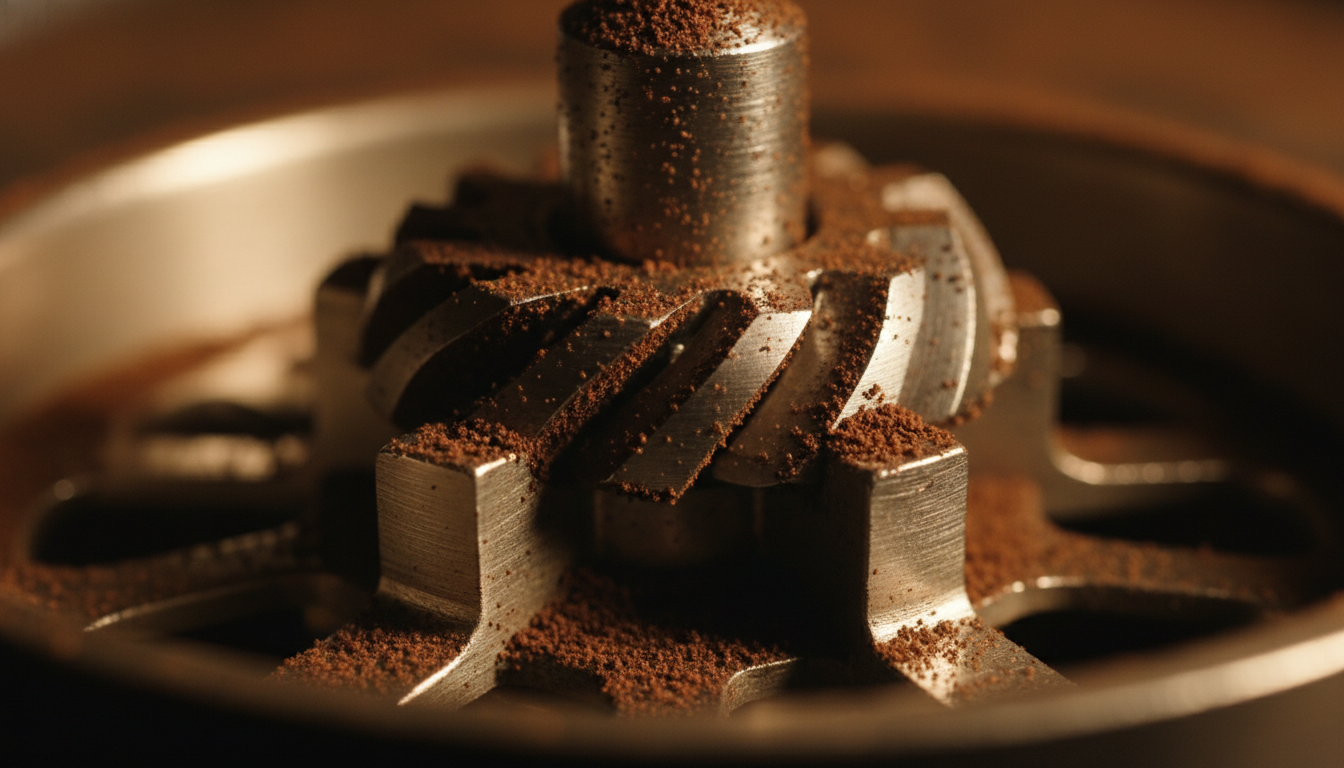
Coffee extraction is a chemical process where water dissolves flavor compounds from ground coffee. The grinder controls the most critical variable: particle size distribution.
Extraction Control
Grind size is the primary variable controlling extraction rate. A quality grinder allows precise adjustments that directly impact flavor. Machine temperature and pressure are secondary to proper grind.
Consistency
Burr grinders produce uniform particles for even extraction. Blade grinders create mixed sizes that cause simultaneous over and under extraction, creating bitter AND sour flavors.
Longevity
A good grinder lasts 10-20 years. Espresso machines typically need replacement every 5-10 years. Investing in the grinder first means you'll have quality equipment for decades.
Versatility
A quality grinder works for all brewing methods. You can use it for pour-over, French press, and espresso. An espresso machine only does espresso.
Upgrade Path
You can pair a great grinder with increasingly better machines over time. Starting with a great grinder means your future machine upgrades will perform at their best.
The Physics of Extraction
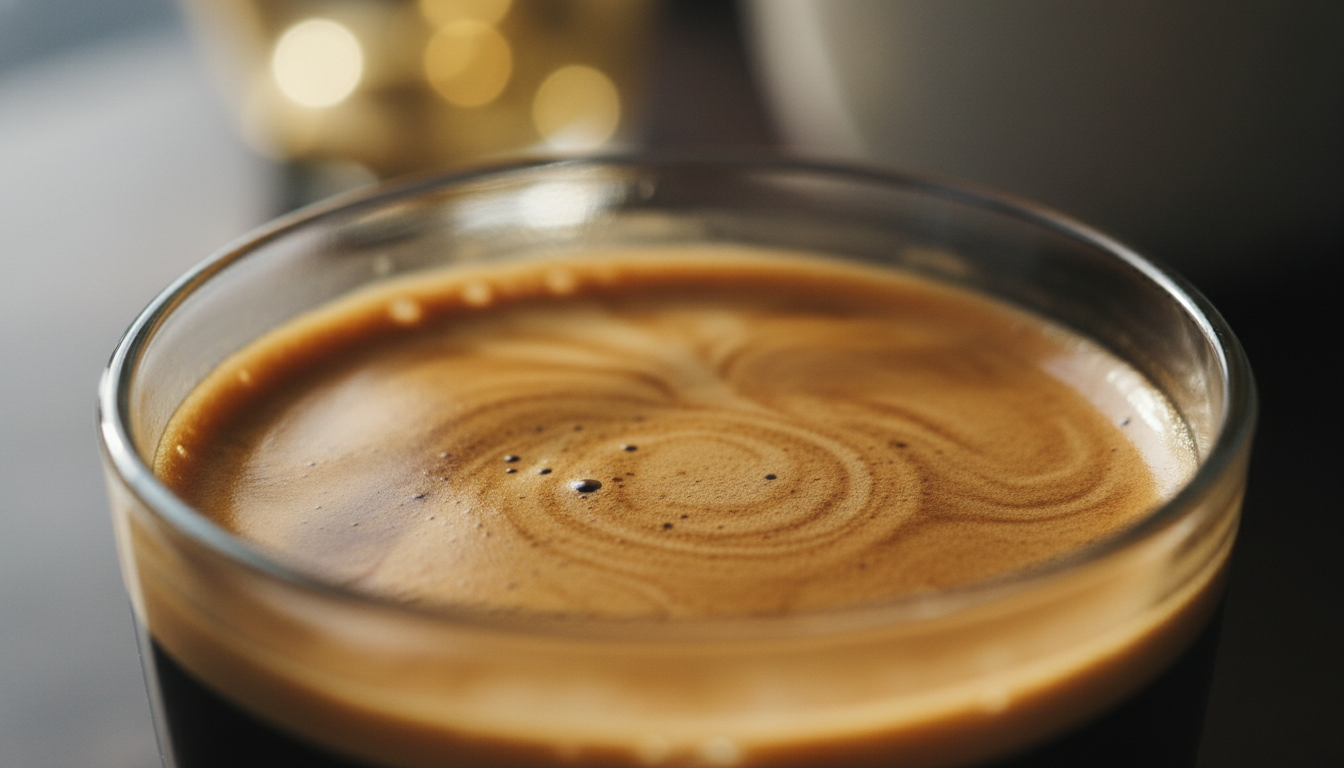
When you pull an espresso shot, water is forced through coffee grounds at high pressure. If your grind is inconsistent, water finds the path of least resistance through larger particles (under-extracting) while over-extracting the fine particles. The result is a shot that's simultaneously bitter AND sour. A quality grinder eliminates this problem by providing uniform particles.
Optimal Budget Allocations
Here's how to allocate your budget for the best results at different price points. In every scenario, the grinder-first approach produces superior espresso.
$500 Total Budget
✓ Recommended Split
Grinder: $300 (Eureka Mignon Crono or DF64 on sale)
Machine: $200 (Flair Classic or used Gaggia Classic)
✗ Avoid This Split
Grinder: $100 (Baratza Encore)
Machine: $400 (New Breville Bambino)
Why: A quality grinder with a manual lever or entry machine will outperform an expensive machine with a budget grinder. The Flair + quality grinder produces exceptional espresso.
$800 Total Budget
✓ Recommended Split
Grinder: $450 (Eureka Mignon Specialita)
Machine: $350 (Used Gaggia Classic Pro or Rancilio Silvia)
✗ Avoid This Split
Grinder: $200 (Baratza Encore)
Machine: $600 (New Breville Bambino Plus)
Why: The Specialita is a true espresso-capable grinder. Paired with a proven semi-automatic machine, you'll have better consistency and control than a budget grinder with a premium machine.
$1200 Total Budget
✓ Recommended Split
Grinder: $600 (Niche Zero or DF64 with SSP burrs)
Machine: $600 (Lelit Anna or new Rancilio Silvia)
✗ Avoid This Split
Grinder: $300 (Entry-level grinder)
Machine: $900 (Premium Breville or DeLonghi)
Why: A Niche Zero or upgraded DF64 provides café-level grind quality. This combination will outperform any $900 machine with a $300 grinder.
Grinder Quality Levels
Not all grinders are created equal. Understanding these levels helps you know when you've reached "good enough" for your needs.
Entry-Level ($50-150)
Espresso Not RecommendedExamples:
- • Baratza Encore
- • Hario Skerton Pro
- • 1Zpresso JX
Details:
Capabilities: Pour-over, drip, French press. Marginal espresso with pressurized baskets.
Expected Lifespan: 3-5 years
Mid-Range ($200-400)
Espresso ReadyExamples:
- • Eureka Mignon Crono
- • Baratza Virtuoso+
- • 1Zpresso J-Max
Details:
Capabilities: All brew methods. Entry-level espresso capability.
Expected Lifespan: 5-10 years
Enthusiast ($400-700)
Espresso ReadyExamples:
- • Eureka Mignon Specialita
- • DF64
- • Niche Zero
Details:
Capabilities: Full espresso capability. Excellent consistency for all methods.
Expected Lifespan: 10-20 years
Professional ($700+)
Espresso ReadyExamples:
- • Mahlkönig X54
- • Eureka Zenith 65E
- • Fellow Ode Gen 2 with SSP burrs
Details:
Capabilities: Café-level performance. Professional consistency.
Expected Lifespan: 15-25 years
Smart Upgrade Strategy
The beauty of prioritizing the grinder is that it creates a solid foundation for future upgrades. Here's how to build your setup over time.
Phase 1: Foundation (First 6 months)
Investment: $400-600
- • Quality burr grinder ($300-450)
- • Manual espresso machine or entry semi-auto ($100-200)
- • Basic accessories (tamper, pitcher, scale) ($50-100)
Focus Areas:
- • Master grinding and dosing
- • Learn basic extraction principles
- • Develop palate for good espresso
- • Practice milk steaming techniques
Phase 2: Refinement (6-18 months)
Investment: $300-500
- • Upgrade to semi-automatic machine ($300-500)
- • Keep your quality grinder
- • Add precision tools (distributor, better tamper) ($50-100)
Focus Areas:
- • Dial in specific recipes
- • Experiment with different beans
- • Perfect milk texture and latte art
- • Understand shot profiling
Phase 3: Mastery (18+ months)
Investment: $500-1000+
- • Premium machine upgrade ($500-1000)
- • Grinder burr upgrade or second grinder ($200-400)
- • Advanced accessories (pressure gauge, flow control) ($100-200)
Focus Areas:
- • Pressure profiling and flow control
- • Competition-level technique
- • Roasting and bean selection
- • Teaching others and community engagement
When to Break the Rule
While the grinder-first rule applies to most scenarios, there are legitimate exceptions where investing more in the machine makes sense.
Super-Automatic Priority
If you want a super-automatic machine for convenience, the grinder is built-in. In this case, invest in the best machine you can afford. You're prioritizing convenience over ultimate quality.
Drip Coffee Only
If you only drink drip coffee, a $100 grinder is perfectly adequate. You can invest more in your drip machine without sacrificing quality.
Multiple Drink Household
If you need to make multiple drinks simultaneously, a dual boiler machine might take priority over the ultimate grinder. Consider a mid-range grinder with a premium machine instead.
Space Constraints
Tiny kitchens might benefit from an all-in-one solution. Some integrated grinder-machines offer good performance in a compact footprint.
Final Verdict
The Bottom Line
For Serious Espresso: Grinder First, Always
If you want to make café-quality espresso at home, the grinder is non-negotiable. A $500 grinder with a $200 machine will produce better shots than a $200 grinder with a $500 machine.
For Casual Coffee: Balance Your Budget
If you drink multiple brewing methods and want good (not perfect) results, a balanced approach works. Aim for a quality mid-range grinder and a reliable machine.
For Convenience: Machine First
If convenience is your priority and you're willing to sacrifice some quality, invest in the machine that makes your routine easiest. Super-automatics and pod systems fall here.
Remember: The best setup is one you'll actually use. A $500 grinder that sits in the closet is worse than a $200 grinder you use daily. Start where you're comfortable, but know that upgrading your grinder will always give you the biggest quality improvement for your dollar. Check our grinder recommendations and real user reviews to make your decision.