Barista Edition Oat Milk vs Regular Oat Milk for Espresso
A complete comparison of barista edition and regular oat milk formulations for espresso drinks, frothing performance, and latte art
Quick Answer
Barista edition oat milk outperforms regular oat milk for espresso applications due to added vegetable oils (rapeseed/sunflower), stabilizers (gellan gum), and acidity regulators that improve heat stability, frothing capability, and coffee compatibility. Regular oat milk contains only oats, water, and salt, causing separation when heated and poor foam formation. Barista edition costs 30-50% more but delivers professional-quality microfoam suitable for latte art, while regular oat milk produces flat, watery results in steamed applications. For hot espresso drinks, barista edition justifies the premium; for cold drinks, regular oat milk works adequately.
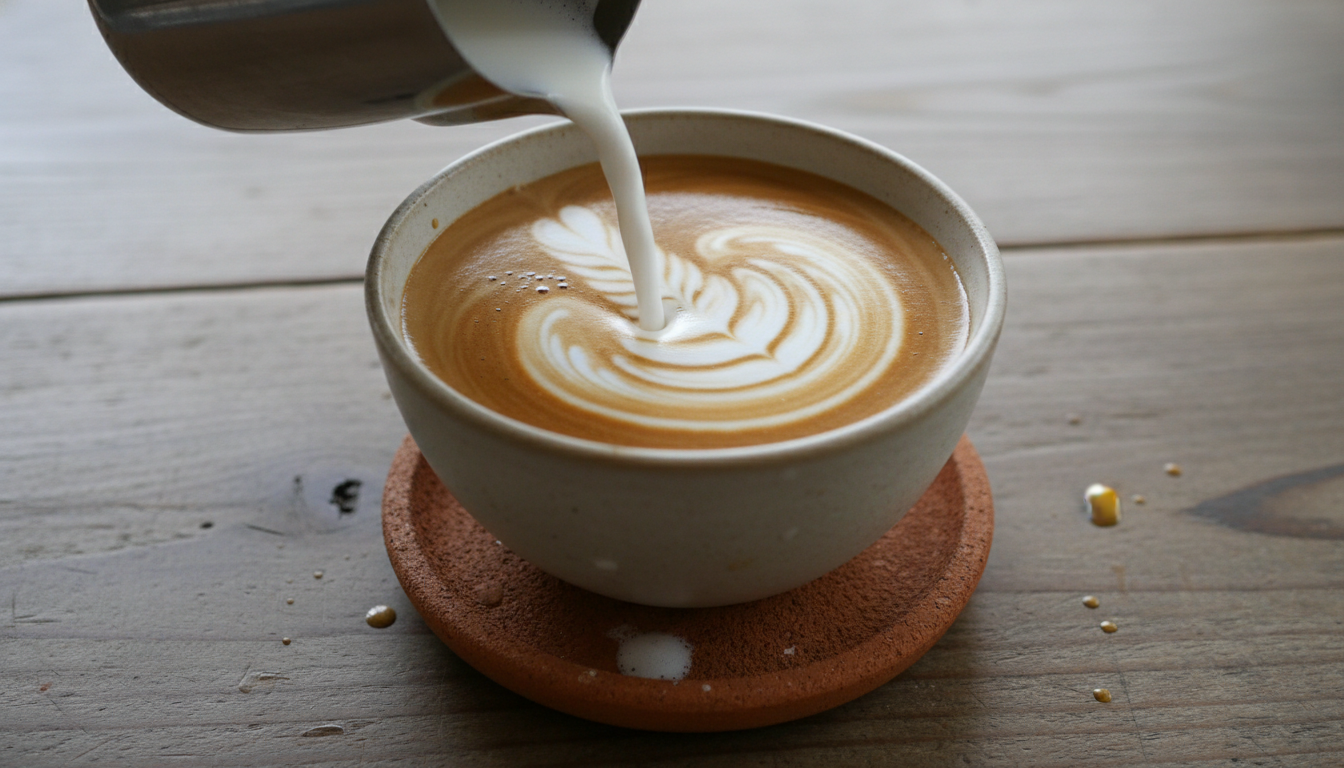
Oat Milk Formulations: Entity Definition & Comparison
Barista Edition Oat Milk Definition
Barista Edition Oat Milk: Specially formulated oat milk containing added vegetable fats, stabilizers, emulsifiers, and acidity regulators designed specifically for espresso machine steam wands and coffee shop applications.
Ingredient Composition Taxonomy:
Regular Oat Milk Components
- ├─ Water (90-92%)
- ├─ Oats (8-10%)
- ├─ Salt (0.1%)
- └─ Enzymes (amylase for sweetness)
Barista Edition Additional Components
- ├─ Vegetable Oil (rapeseed/sunflower, 2-3%)
- ├─ Gellan Gum (stabilizer)
- ├─ Dipotassium Phosphate (acidity regulator)
- └─ Calcium Carbonate (fortification)
Formulation Impact Matrix
| Performance Factor | Regular Oat Milk | Barista Edition | Difference Cause |
|---|---|---|---|
| Foam Volume | Minimal (1.2x volume) | Excellent (1.8x volume) | Added fats stabilize bubbles |
| Heat Stability | Poor (separates >140°F) | Excellent (stable to 165°F) | Stabilizers prevent starch gelatinization |
| Microfoam Quality | Coarse, unstable | Fine, creamy, stable | Emulsifiers create uniform bubbles |
| Acid Resistance | Poor (curdles with coffee) | Good (maintains integration) | Acidity regulators buffer pH changes |
| Price (per liter) | $2.50-$3.50 | $3.50-$5.00 | Additional ingredients and processing |
Why Regular Oat Milk Fails in Espresso Applications
Regular oat milk contains only oats, water, and minimal salt. When heated, oat starches gelatinize—absorbing water and thickening the liquid. This thickening creates a gummy, porridge-like texture rather than the creamy microfoam desired in espresso drinks. Without fat content to stabilize air bubbles, regular oat milk cannot maintain foam structure.
Coffee acidity compounds the problem. Regular oat milk has a neutral pH around 6.5-7.0. When combined with acidic espresso (pH 4.8-5.2), the pH drop causes oat proteins to destabilize and separate. This chemical reaction produces visible curdling and an unappealing grainy texture that ruins drink presentation.
Steam wand exposure creates additional challenges. The high heat (212°F steam) and rapid agitation of steam wands cause regular oat milk to scorch, producing off-flavors and accelerated separation. The lack of stabilizers means regular oat milk cannot withstand the mechanical and thermal stress of professional espresso preparation.
How Barista Edition Formulation Solves These Problems
Vegetable Oil Addition
Barista edition oat milk contains 2-3% added vegetable oil (typically rapeseed or sunflower). These fats serve multiple functions: they coat air bubbles to prevent collapse, create richer mouthfeel similar to dairy milk, and improve foam stability. The fat content mimics the 3.25% fat in whole dairy milk that enables professional microfoam formation.
Gellan Gum Stabilization
Gellan gum acts as a hydrocolloid stabilizer that prevents oat starch from gelatinizing when heated. This maintains fluid texture throughout the heating process rather than creating thick, gummy consistency. Gellan gum also helps maintain emulsion stability, keeping fat molecules evenly distributed rather than separating.
Acidity Regulators
Dipotassium phosphate and similar compounds buffer pH changes when oat milk contacts acidic coffee. This prevents the protein destabilization that causes curdling and separation. Barista edition oat milk maintains stable integration with espresso, preserving smooth texture and appearance throughout the drinking experience.
Frothing Performance Comparison
| Frothing Characteristic | Regular Oat Milk | Barista Edition |
|---|---|---|
| Steam Wand Compatibility | Poor—separates immediately | Excellent—behaves like dairy milk |
| Foam Volume Increase | 20-30% | 60-80% |
| Bubble Size | Large, uneven | Fine, uniform (microfoam) |
| Foam Stability | Collapses within 2 minutes | Holds 5-8 minutes |
| Latte Art Capability | None—too thin | Good—hearts, rosettas, tulips |
| Temperature Tolerance | Maximum 140°F | Up to 165°F |
Barista edition oat milk produces foam density and texture remarkably similar to 2% dairy milk. The added fats create the creamy mouthfeel that consumers expect from milk-based espresso drinks. Regular oat milk cannot achieve this texture regardless of frothing technique.
Taste and Texture Comparison
Flavor Profile Differences
Regular oat milk offers cleaner, more pronounced oat flavor with subtle sweetness from enzymatic processing. Barista edition tastes richer and creamier due to added fats, with the oat flavor less prominent. Some consumers prefer the lighter taste of regular oat milk; others prefer the indulgent richness of barista edition.
Coffee Integration
Regular oat milk in hot coffee often produces thin, watery drinks with visible separation between milk and coffee layers. The lack of fat prevents proper integration, creating a drink that tastes like coffee with oat water rather than a cohesive beverage. Barista edition blends seamlessly with espresso, creating the unified flavor profile expected from professionally prepared drinks.
Mouthfeel Comparison
Mouthfeel represents the most significant difference between formulations. Regular oat milk feels thin and watery in the mouth, lacking the coating sensation of dairy milk. Barista edition replicates dairy mouthfeel closely—the added fats create the same palate-coating richness that makes milk drinks satisfying.
Popular Barista Edition Brands Compared
| Brand | Fat Content | Foam Quality | Taste Profile | Price Range |
|---|---|---|---|---|
| Oatly Barista Edition | 3.0% | Excellent | Neutral, creamy | $$$ |
| Califia Farms Barista Blend | 2.5% | Very good | Slightly sweet | $$ |
| Pacific Foods Barista Series | 2.8% | Very good | Oat-forward | $$ |
| Planet Oat Barista | 2.0% | Good | Light, mild | $ |
| Minor Figures | 3.5% | Excellent | Rich, neutral | $$$ |
When to Use Each Formulation
Use Barista Edition For:
- • Hot espresso drinks (lattes, cappuccinos, flat whites)
- • Any drink requiring steamed or frothed milk
- • Latte art presentation
- • Professional or guest settings
- • Customers expecting dairy-like texture
- • High-heat applications (>140°F)
Use Regular Oat Milk For:
- • Cold coffee drinks (iced lattes, cold brew)
- • Adding to hot coffee without frothing
- • Cooking and baking applications
- • Drinking straight or on cereal
- • Budget-conscious purchasing
- • Preference for lighter, cleaner oat flavor
Cost-Benefit Analysis
Barista edition oat milk costs approximately 40-60% more than regular oat milk. For daily hot espresso drink preparation, the premium justifies the significantly superior results. For occasional use or cold applications, regular oat milk offers acceptable performance at lower cost.
Consider stocking both formulations: barista edition for hot drinks and entertaining, regular for cold drinks and cooking. This approach optimizes cost while ensuring quality when it matters most.
Related Content & Deep Dives
Oat Milk vs Almond Milk vs Soy Milk for Espresso
Compare all major alternative milk options for espresso drinks and their barista formulations.
Best Milk Temperature for Latte Art
Learn optimal temperature ranges for steaming barista edition oat milk.
How to Froth Milk Without a Steam Wand
Discover manual frothing techniques that work with barista edition oat milk.
How to Fix Thin or Bubbly Milk Foam
Troubleshoot oat milk frothing problems and achieve better microfoam.
Frequently Asked Questions
Can you make latte art with regular oat milk?
Regular oat milk cannot create latte art. The lack of fat content prevents stable microfoam formation, and the thin texture cannot hold defined patterns. Even with perfect technique, regular oat milk produces flat, watery results. Barista edition oat milk contains the necessary fat and stabilizers to create foam structure capable of holding latte art patterns.
Why does regular oat milk separate in coffee?
Regular oat milk separates due to acidity reactions and lack of stabilizers. Coffee acidity (pH 4.8-5.2) causes oat proteins to destabilize and clump together. Without gellan gum and emulsifiers, the oat starch and water components separate. Barista edition contains dipotassium phosphate as an acidity regulator that buffers pH changes and prevents this separation.
Is barista edition oat milk healthier than regular?
Neither formulation offers significant health advantages. Barista edition contains more calories and fat due to added vegetable oils (typically 20-30 more calories per serving). Regular oat milk has a cleaner ingredient list with fewer additives. Both provide similar nutritional benefits of oats including fiber and beta-glucan. Health considerations matter less than performance requirements for espresso applications.
Can you froth barista edition oat milk without a steam wand?
Yes, barista edition oat milk froths well using manual methods including French press, handheld frothers, and jar shaking. The added stabilizers help maintain foam structure even without professional equipment. Results exceed what regular oat milk achieves but remain slightly inferior to steam wand preparation. For best manual results, heat to 140-150°F and use a French press pumping method.
Conclusion: Barista Edition Justifies the Premium for Espresso
Barista edition oat milk delivers dramatically superior performance for espresso applications compared to regular oat milk. The added vegetable fats, stabilizers, and acidity regulators solve the separation, frothing, and texture problems that plague regular formulations. For hot espresso drinks, barista edition represents the only viable option for quality results.
The 40-60% price premium pays for genuine functional improvements, not marketing. Barista edition behaves similarly to dairy milk in espresso preparation, enabling proper foam formation, latte art, and coffee integration that regular oat milk cannot achieve.
Choose barista edition for any steamed or frothed application. Reserve regular oat milk for cold drinks, cooking, or straight consumption where texture requirements remain minimal. This strategic approach ensures optimal results while managing costs effectively.