How to Fix Thin or Bubbly Milk Foam (Microfoam Troubleshooting)
Comprehensive troubleshooting guide to diagnose and fix thin, bubbly, or unstable milk foam for café-quality microfoam results
Quick Answer
Thin or bubbly milk foam results from five primary causes: (1) steam wand tip positioned too deep during aeration phase—keep tip at surface for 3-5 seconds to introduce air; (2) overheating above 165°F destroys protein structure—stop at 150-155°F; (3) insufficient aeration time—extend the paper tearing sound phase; (4) cold milk starting temperature—begin with refrigerator-cold milk for maximum working time; (5) wrong milk type—skim milk produces stiff foam, low-quality alternative milks separate. Fix by adjusting wand position, monitoring temperature, extending aeration, starting colder, and using whole milk or barista edition alternatives.
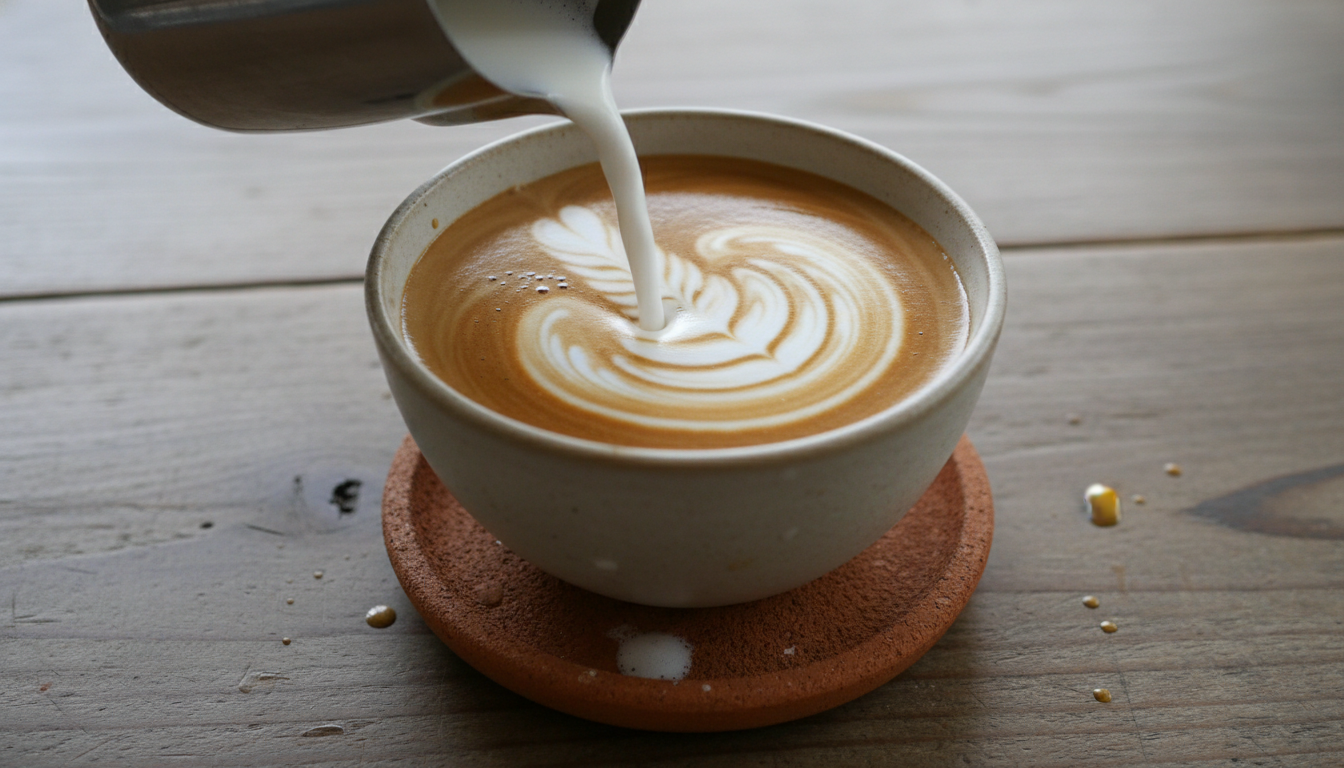
Microfoam Problems: Entity Definition & Diagnosis
Thin/Bubbly Milk Foam Definition
Thin or Bubbly Milk Foam: Improperly textured milk characterized by large, unstable bubbles or insufficient foam volume and density, resulting from incorrect steaming technique, temperature, or milk selection.
Foam Problem Taxonomy:
Thin Foam Characteristics
- ├─ Insufficient volume increase
- ├─ Watery texture
- ├─ Poor definition when poured
- └─ Causes: Under-aeration, overheating, wrong milk
Bubbly Foam Characteristics
- ├─ Large, visible bubbles
- ├─ Dry, meringue-like texture
- ├─ Rapid collapse
- └─ Causes: Over-aeration, wrong wand position
Fix #1: Correct Steam Wand Position
Steam wand position represents the most common cause of thin or bubbly milk foam. Proper technique requires two distinct phases: aeration (air introduction) and texturing (bubble refinement).
Phase 1: Aeration (Stretching)
Position the steam wand tip just below the milk surface. The tip should barely break the surface, creating a paper tearing sound. This sound indicates proper air introduction. Maintain this position for 3-5 seconds while the milk volume increases.
Phase 2: Texturing (Rolling)
After the initial stretch, submerge the tip approximately 1/2 inch deep and angle the pitcher to create a vortex. The sound changes to a quiet, rolling hiss. This phase breaks large bubbles into microfoam and distributes heat evenly.
Fix #2: Temperature Control
Temperature profoundly affects foam structure. Milk proteins denature at specific temperatures to create foam-stabilizing structures. Exceeding optimal temperatures destroys these proteins, causing foam collapse.
Optimal Temperature Ranges
Stop steaming at 150-155°F to account for residual heating. Milk continues cooking 2-3 degrees after removing the steam wand due to thermal momentum. Stopping at 155°F prevents accidental overheating above 165°F where protein destruction occurs.
Fix #3: Milk Selection
Milk composition fundamentally determines foam characteristics. Whole milk (3.25% fat) produces the creamiest, most stable foam. Two percent milk works adequately. Skim milk produces stiff, dry, bubbly foam that separates easily.
Alternative milks require barista edition formulations for proper foam formation. Regular oat, almond, or soy milk produces thin, separating results regardless of technique. Barista editions contain added fats and stabilizers that enable proper foam formation.
Related Content & Deep Dives
Best Milk Temperature for Latte Art
Master temperature control for perfect microfoam texture and sweetness.
How to Steam Milk for Latte Art
Complete guide to milk steaming technique from start to finish.
Barista Edition vs Regular Oat Milk
Why barista edition alternative milks foam better than regular versions.
How to Froth Milk Without a Steam Wand
Alternative frothing methods for achieving good foam without espresso equipment.
Frequently Asked Questions
Why is my milk foam full of large bubbles?
Large bubbles result from over-aeration or incorrect wand position during the texturing phase. Keep the wand tip submerged after the initial 3-5 second aeration phase. If the tip breaks the surface during texturing, large bubbles form. Also, aerating too long creates excessive large bubbles that cannot be broken down.
Can you fix milk that has already been steamed poorly?
Bubbly foam can sometimes be improved by swirling the pitcher vigorously and tapping it on the counter to break large bubbles. However, thin foam cannot be thickened after steaming. Overheated or scalded milk cannot be salvaged. When in doubt, discard and restart with fresh cold milk.
Why does skim milk foam differently than whole milk?
Skim milk lacks the fat molecules that stabilize foam structure in whole milk. Without fat, proteins create stiff, dry, meringue-like foam that separates from liquid and collapses quickly. Whole milk fat coats air bubbles, creating creamy, integrated microfoam with better stability and mouthfeel.
Conclusion: Master Microfoam Through Technique Refinement
Thin or bubbly milk foam stems from identifiable, correctable factors. Proper steam wand position during both aeration and texturing phases creates the foundation for quality foam. Temperature control prevents protein destruction that causes flat results. Milk selection ensures appropriate raw material for foam formation.
Practice the techniques outlined here systematically. Start with proper wand position and cold milk. Listen for the correct sounds during each phase. Monitor temperature until developing hand-position intuition. Use appropriate milk for your goals.
With attention to these fundamentals, thin and bubbly foam problems disappear. Consistent, creamy, velvety microfoam becomes the norm rather than the exception.