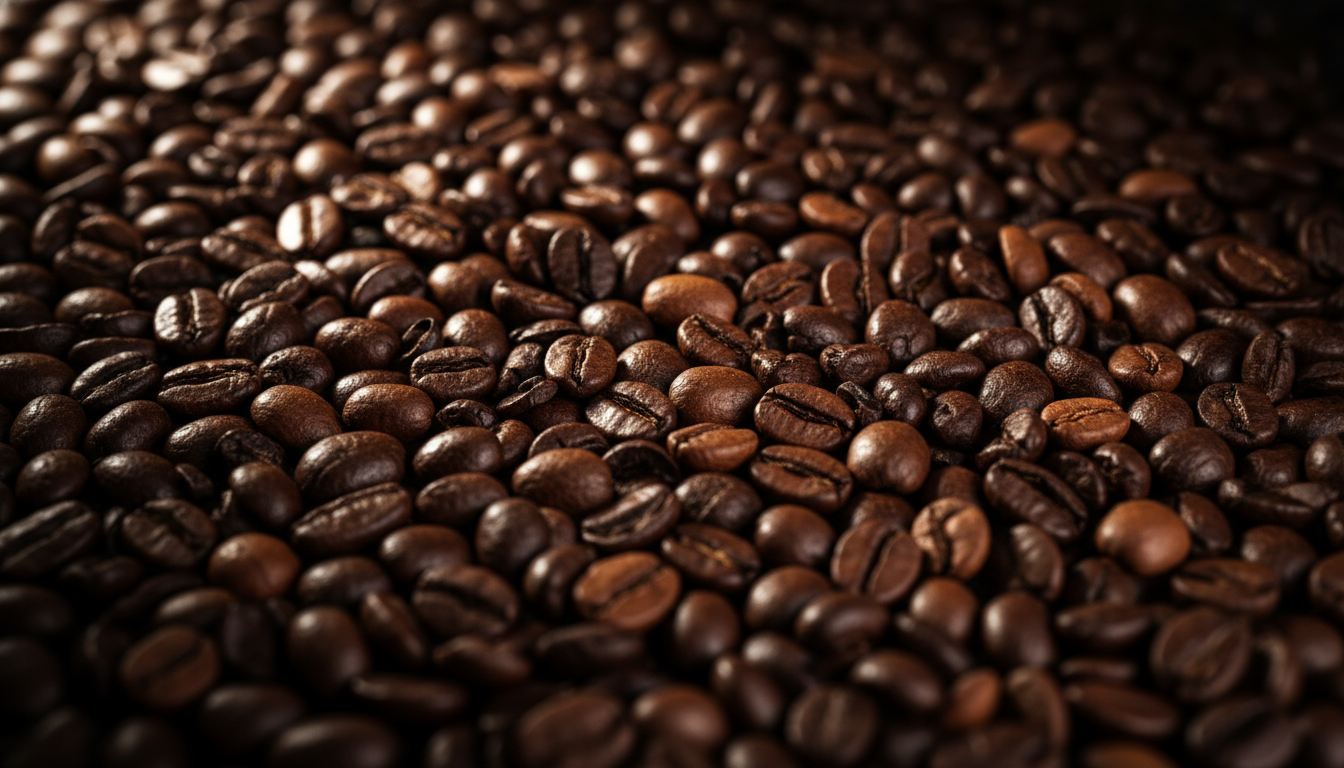
Best Indian Espresso Coffee Beans 2026 Quick Answer
Choose by the decision you need: Indian-origin Arabica for a single-origin shot, a verified Indian blend for everyday espresso, washed or high-grade Robusta for more body and crema, and a chocolate-forward option for milk drinks. Origin, process, roast date, and seller availability matter more than a region label alone. Verify current roaster names, prices, and stock before publishing or buying.
Buying checklist for Indian espresso beans
Indian origin: Confirm the farm or region and whether the blend includes other origins.
Available in India: Check delivery coverage, shipping time, taxes, and stock separately from origin.
Freshness: Prefer a visible roast date, whole beans, and a storage plan for the expected brew window.
Recipe fit: Record roast level, process, dose, ratio, and whether the recommendation is for straight espresso or milk drinks.
India produces some of the world's most distinctive coffee beans, with a 400-year history that began when Baba Budan smuggled seven coffee seeds from Yemen to the hills of Karnataka. Today, Indian coffee is prized by espresso enthusiasts for its low acidity, full body, and complex flavor profiles featuring chocolate, spice, and nutty notes that extract beautifully under pressure.
While India ranks among the world's top coffee producers, the majority of Indian coffee remains within the domestic market or supplies commercial blends to Europe. However, a growing specialty coffee movement has brought Indian single-origins to global attention, with roasters like Third Wave Coffee, Blue Tokai Coffee Roasters, and Araku Coffee showcasing the unique characteristics of Indian terroir.
This comprehensive guide explores the best Indian coffee origins for espresso, the distinctive Monsooned Malabar process, optimal roast profiles, and where to source authentic Indian beans both within India and internationally.
Why Indian Coffee Excels for Espresso
- • Low acidity: Naturally milder than most origins, creating smooth espresso
- • Full body: Dense, syrupy mouthfeel perfect for espresso extraction
- • Chocolate & spice notes: Flavor profile complements milk beautifully
- • Grown in shade: Slower maturation develops complex sugars
- • Unique processing: Monsooned Malabar offers distinctively mellow character
- • Robusta excellence: High-quality washed Robusta for crema and strength
Major Indian Coffee-Growing Regions
Chikmagalur, Karnataka
The birthplace of Indian coffee
Chikmagalur is where India's coffee story began in 1670, when Baba Budan planted the first seeds in the Baba Budan Giri hills. Today, it remains the heartland of Indian specialty coffee, producing some of the finest Arabica beans in the country.
Flavor Profile: Medium body, mild acidity, notes of chocolate, nuts, and subtle spice. Coffees from the Baba Budan Giri hills exhibit exceptional balance and sweetness, making them ideal for both straight espresso and milk-based drinks.
Coorg (Kodagu), Karnataka
India's Robusta capital
Known as the "Scotland of India," Coorg produces exceptional high-quality Robusta alongside fine Arabica. The region's high rainfall and rich volcanic soil create ideal conditions for dense, flavorful beans that translate to excellent crema production in espresso.
Flavor Profile: Coorg Robusta delivers bold body, low acidity, and clean flavors without the harshness typical of lower-grade Robustas. Arabica from Coorg offers chocolate and caramel notes with a distinctive spicy finish that cuts through milk beautifully.
Baba Budan Giri (Chandradrona Hills)
Historical significance and exceptional quality
The Baba Budan Giri hills hold immense historical significance as the site where Sufi saint Baba Budan brought seven coffee seeds from Yemen, planting the foundation of Indian coffee culture. The unique microclimate of these hills, with misty mornings and moderate temperatures, produces coffees of exceptional character.
Flavor Profile: Complex, nuanced flavors with pronounced sweetness, medium acidity, and layered notes of dark chocolate, toasted nuts, and subtle fruit. These beans represent the pinnacle of Indian specialty coffee and command premium prices in domestic and international markets.
Araku Valley, Andhra Pradesh
Emerging specialty region with unique terroir
Araku Valley has emerged as one of India's most exciting specialty coffee regions, with tribal farmers producing exceptional shade-grown Arabica at high altitudes. The Araku Coffee brand has gained international recognition, including awards in Paris and London, for its distinctive flavor profile and sustainable farming practices.
Flavor Profile: Bright yet balanced acidity with notes of citrus, chocolate, and floral undertones. Araku coffees often exhibit a silky body and complex sweetness that rivals top Central American origins, making them exceptional for espresso extraction.
Indian Coffee Characteristics for Espresso
Low Acidity Profile
Indian coffees are naturally lower in acidity compared to Central American or African origins. This characteristic makes them exceptionally smooth for espresso, reducing the sharp, sour notes that can dominate lighter origin shots. The low acidity also means Indian espresso blends well with milk, creating harmonious lattes and cappuccinos without competing flavors.
Full, Dense Body
The combination of shade-growing, monsoon rainfall patterns, and slower maturation creates beans with exceptional density and body. When extracted as espresso, Indian coffees produce a thick, syrupy mouthfeel that carries flavor compounds beautifully across the palate.
Chocolate & Spice Notes
Indian Arabica and quality Robusta consistently deliver flavor notes of dark chocolate, cocoa, cinnamon, clove, and nutmeg. These warming spice notes make Indian espresso particularly appealing during cooler months and create comforting flavor profiles that appeal to a broad range of palates.
Shade-Grown Terroir
Most Indian coffee grows under thick canopies of silver oak, jackfruit, and orange trees. This shade cultivation slows bean maturation, allowing complex sugars to develop fully. The result is greater depth of flavor and sweetness that translates beautifully to espresso extraction.
Arabica vs. Robusta in Indian Coffee
India produces both Arabica and Robusta in significant quantities, with each species offering distinct advantages for espresso. Understanding these differences helps you select the right beans for your preferred style.
Indian Arabica
- • Grown at: Higher elevations (1,000m+) in Chikmagalur and Araku
- • Flavor: Chocolate, nuts, mild fruit, subtle spice
- • Acidity: Low to medium, softer than other origins
- • Body: Medium to full, silky texture
- • Best for: Single-origin espresso, light milk drinks
- • Price range: ₹800-1,500/kg ($10-18/lb)
Indian Robusta
- • Grown at: Lower elevations (800-1,000m) in Coorg
- • Flavor: Earthy, woody, dark chocolate, strong
- • Acidity: Very low, almost neutral
- • Body: Very full, heavy, excellent crema
- • Best for: Espresso blends, milk drinks, crema enhancement
- • Price range: ₹500-900/kg ($6-11/lb)
The Indian Robusta Advantage
Unlike the harsh, rubbery Robustas from some origins, Indian washed Robusta undergoes rigorous quality standards. When processed properly, Coorg Robusta adds exceptional crema, body, and caffeine punch to espresso blends without introducing unpleasant bitterness. Many traditional Italian espresso blends incorporate Indian Robusta for this reason.
Monsooned Malabar: India's Unique Process
What is Monsooned Malabar?
Monsooned Malabar is a unique Indian coffee processing method with origins dating back to the British Raj. During long sea voyages to Europe, green coffee beans absorbed moisture from the humid monsoon winds, swelling in size and developing a distinctive mellow, earthy flavor profile. Today, this process is deliberately replicated in warehouses along the Malabar Coast.
The Monsooning Process
- 1. Selection: High-grade Arabica or Robusta beans from Malabar region
- 2. Exposure: Beans spread in open warehouses during monsoon months (June-September)
- 3. Absorption: Humid monsoon winds cause beans to absorb moisture and swell
- 4. Turning: Regular raking ensures even exposure and prevents mold
- 5. Drying: Beans dried to 11% moisture and prepared for roasting
Monsooned Malabar Flavor Profile
- • Appearance: Pale, yellowish-brown color; swollen, irregular beans
- • Aroma: Earthy, musty, tobacco-like with spice notes
- • Acidity: Virtually none—extremely mellow
- • Body: Heavy, syrupy, almost oily
- • Flavor notes: Woody, earthy, tobacco, dark chocolate, spice
- • Best for: Traditional espresso, those who dislike acidic coffee
Espresso Brewing Monsooned Malabar
Monsooned Malabar may need different starting parameters for a consistent espresso result:
- • Grind: Slightly coarser than typical espresso (beans are less dense)
- • Dose: 19-20g for double shot (swollen beans require more volume)
- • Ratio: 1:1.5 to 1:2 (shorter ratio preserves intensity)
- • Temperature: 200-202°F (slightly higher compensates for low acidity)
- • Target: 30-35 seconds for rich, heavy shot
Best Indian Coffee Brands for Espresso 2026
Third Wave Coffee
Indian specialty pioneer
Third Wave Coffee (formerly Third Wave Coffee Works) is one of India's premier specialty coffee roasters, with cafes across Bangalore, Mumbai, Delhi, and Hyderabad. They source exceptional beans from Chikmagalur and Coorg, roasting specifically for espresso extraction with detailed tasting notes and brewing guides.
Recommended: "Ratnagiri Estate" single-origin and "The Third Wave" house espresso blend featuring Chikmagalur Arabica with Coorg Robusta.
Blue Tokai Coffee Roasters
Direct-trade specialty leader
Blue Tokai has revolutionized Indian specialty coffee through direct relationships with farmers across Karnataka and Tamil Nadu. Their transparent sourcing, with detailed farm information and roast profiles, makes them a favorite among discerning home baristas seeking traceable, high-quality beans.
Recommended: "Attikan Estate" from Chikmagalur for chocolate-forward espresso and "Silver Oak" blend for daily drinking.
Araku Coffee
Award-winning tribal coffee
Araku Coffee represents the pinnacle of Indian specialty coffee, produced by tribal farmers in Araku Valley using organic, regenerative practices. Winner of the Grand Prize at the Prix Epicures in Paris, Araku offers exceptional single-origin espresso beans with complex, refined flavor profiles.
Recommended: "Signature" and "Microclimate" selections for exceptional espresso showcasing Araku's unique terroir.
International Roasters Sourcing Indian Beans
Global access to Indian specialty coffee
Several international roasters source exceptional Indian beans, making them available outside the subcontinent. Has Bean Coffee (UK) offers Indian Monsooned Malabar, while Intelligentsia and Counter Culture occasionally feature Indian single-origins in seasonal rotations.
Recommended: Search for "India Monsooned Malabar" from specialty European roasters or Indian specialty lots from US third-wave roasters during harvest season (March-June).
Roast Recommendations for Indian Espresso
Medium Roast (City to Full City)
Best for: Chikmagalur and Araku Arabica
Medium roasts preserve the delicate spice and fruit notes of high-quality Indian Arabica while developing sufficient body for espresso. Look for beans roasted to City or Full City level—medium brown with minimal surface oil. This roast level highlights the chocolate and nut characteristics while maintaining enough acidity for complexity.
Medium-Dark Roast (Full City to Vienna)
Best for: Espresso blends, milk drinks
Medium-dark roasts develop more caramelization, enhancing the chocolate and spice notes that make Indian coffee distinctive. Light oil sheen on the surface indicates proper development. This roast level creates excellent crema and cuts through milk for cappuccinos and lattes.
Dark Roast (Vienna to French)
Best for: Monsooned Malabar, Robusta blends
Dark roasts suit Monsooned Malabar and high-Robusta blends, where the heavy body and low acidity can handle more roast development. The smoky, bitter chocolate notes complement the earthy, woody character of Monsooned beans. Ensure the roaster has experience with Indian beans to avoid over-roasting.
Pro Tip: "Indian coffees can handle darker roasts better than most origins due to their density and low acidity. However, the best specialty lots from Chikmagalur and Araku truly shine at medium roast levels where their unique terroir expresses fully." — Indian Specialty Coffee Association
Where to Buy Indian Espresso Beans
Buying in India
- • Direct from roasters: Third Wave Coffee, Blue Tokai, Araku Coffee websites
- • Amazon India: Wide selection with Prime delivery
- • Specialty cafes: Most major cities have local roasters
- • Coffee subscriptions: Blue Tokai and Third Wave offer monthly plans
- • Coorg/Chikmagalur estates: Direct farm purchases for bulk
Price range: ₹500-2,000 per 250g depending on grade and brand.
Buying Internationally
- • Has Bean Coffee (UK): Reliable Monsooned Malabar source
- • Specialty roasters: Check for seasonal Indian lots
- • Indian exporters: Some estates ship internationally direct
- • Specialty retailers: Whole Foods, specialty shops may carry Indian beans
- • Online Indian grocers: Often stock Cafe Coffee Day, Tata brands
Price range: $15-30 per pound plus shipping for specialty grades.
Freshness Considerations
Indian coffee harvest runs from November to March, with beans reaching peak freshness 2-4 weeks post-roast. When buying internationally, check roast dates carefully—beans should be roasted within 30 days of purchase for optimal espresso extraction.
Brewing Recommendations for Indian Espresso Beans
Chikmagalur Arabica Parameters
Slightly longer ratio brings out the chocolate sweetness. Grind fine enough to achieve 27+ seconds without channeling.
Coorg Robusta Parameters
Shorter ratio preserves intensity. Lower temperature prevents over-extraction of earthy notes. Expect thick, persistent crema.
Monsooned Malabar Parameters
Slightly coarser grind due to lower density. Higher temperature compensates for mellow acidity. Expect heavy body, minimal crema.
Indian Blend Parameters
Standard 1:2 ratio works well for most Indian espresso blends. Adjust based on Robusta percentage—higher Robusta may need slightly lower temperature.
Grinding Tips for Indian Beans
- • Indian Arabica often requires slightly finer grind than Central American beans due to density
- • Monsooned beans grind differently—expect less resistance and adjust dose accordingly
- • Robusta creates more fines; consider using a paper filter or puck screen to improve clarity
- • Fresh roasted Indian beans may need 7-10 days rest to degas properly
Related Guides
Best Coffee Beans for Espresso 2026
Complete guide to espresso beans from all origins worldwide.
BUYING GUIDECoffee Origin Guide for Beginners
Understanding how geography affects coffee flavor profiles.
EDUCATIONBest Espresso Beans for Home Baristas
Sourcing, selection, and recommendations for home espresso setups.
BUYING GUIDEEthiopia Coffee Origin Guide
Explore the birthplace of coffee and its distinctive profiles.
ORIGIN GUIDECoffee Processing Methods & Flavor
Understanding washed, natural, honey, and monsooned processes.
EDUCATIONBest Coffee Subscriptions
Fresh bean delivery services including Indian specialty roasters.
BUYING GUIDEFrequently Asked Questions
Is Indian coffee good for espresso?
Yes, Indian coffee is excellent for espresso due to its naturally low acidity, full body, and chocolate-spice flavor profiles. The dense beans extract beautifully under pressure, creating smooth, balanced shots that work well both straight and in milk drinks.
What does Monsooned Malabar taste like?
Monsooned Malabar has a unique flavor profile featuring earthy, woody, and tobacco-like notes with virtually no acidity. The monsooning process mellows the beans significantly, creating a heavy-bodied coffee with spice notes and dark chocolate undertones. It's ideal for those who prefer traditional, low-acid espresso.
Which Indian coffee brand is best for home espresso?
Blue Tokai Coffee Roasters and Third Wave Coffee are widely regarded as the best options for home espresso in India, offering freshly roasted, specialty-grade beans with detailed brewing guidance. For premium single-origin espresso, Araku Coffee provides exceptional quality at a higher price point.
Can I buy Indian coffee beans outside India?
Yes, several international roasters source Indian beans, particularly Monsooned Malabar. UK roaster Has Bean offers reliable Indian selections, while specialty US roasters occasionally feature Indian lots. Some Indian brands like Blue Tokai also ship internationally. Alternatively, Indian grocery stores in major cities often stock Indian coffee brands.
Sources
1. Coffee Board of India. "Indian Coffee Production and Quality Standards 2026." 2026.
2. Specialty Coffee Association. "Origin Profile: India." 2026.
3. Third Wave Coffee. "Indian Specialty Coffee Sourcing and Roasting." 2026.
4. Blue Tokai Coffee Roasters. "Direct Trade Sourcing from Chikmagalur and Coorg." 2026.
5. Araku Coffee. "Award-Winning Specialty Coffee from Araku Valley." 2026.
6. Perfect Daily Grind. "Guide to Indian Specialty Coffee Regions." 2026.
7. Indian Coffee Association. "Monsooned Malabar Processing Standards." 2026.