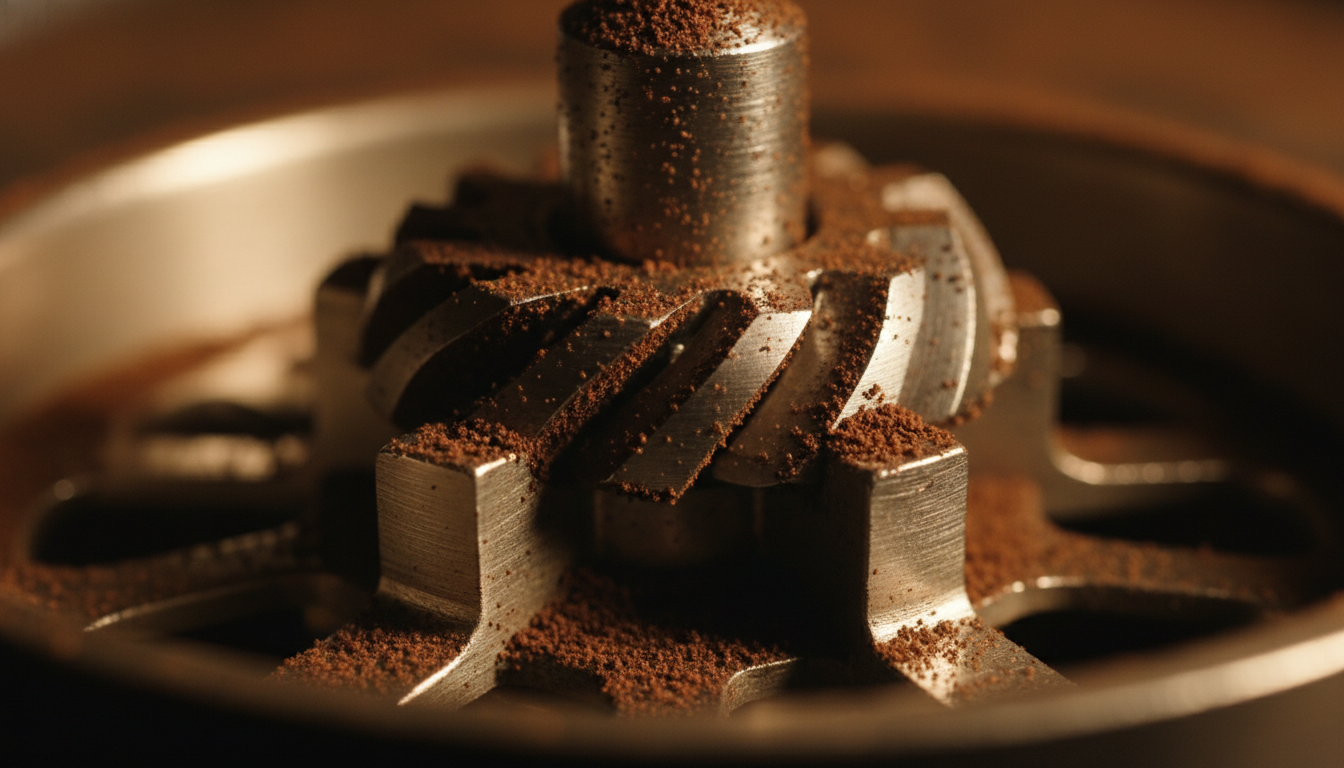
 Budget Equipment Guide
 Best Coffee Grinder Under $100: Top Manual Picks
Finding a capable coffee grinder under $100 is challenging but not impossible. The reality? No electric grinder at this price point handles espresso well. But two exceptional manual grinders deliver professional-quality results for both espresso and pour over at a fraction of the cost.
Quick Answer
Best under $100: 1Zpresso Q2 (~$80) or Timemore C2 (~$69) for hand grinding. No electric grinder under $100 handles espresso well. These manual grinders excel for both espresso and pour over with precision adjustment systems, quality steel burrs, and consistent particle distribution.
The $100 Grinder Reality: Electric vs Manual
Before diving into recommendations, let's address the elephant in the room: the $100 price point creates a fundamental divide between what's possible with electric versus manual grinding technology.
Electric Grinders Under $100
- Blade grinders (inconsistent, unsuitable for espresso)
- False burr grinders (crush rather than cut beans)
- High grind retention and static issues
- Limited adjustment range
- Cannot achieve espresso fineness consistently
Manual Grinders Under $100
- Quality steel conical burrs (same as $300+ electrics)
- Precise micro-adjustment systems
- Full range from Turkish to French press
- Near-zero grind retention
- Consistent particle distribution
The physics are simple: at this price point, manufacturers must choose between cheap motors with poor burrs (electric) or quality burrs with human power (manual). For espresso—where grind consistency directly impacts extraction quality—manual wins decisively.
Best Manual Option 1: 1Zpresso Q2
1Zpresso Q2 Heptagonal
~$80Key Specifications
- Burrs: 38mm heptagonal (7-flute) stainless steel
- Adjustment: 60 clicks per rotation, ~22 microns per click
- Capacity: 15-20g beans
- Weight: ~430g
- Materials: Aluminum body, steel burrs
Grind Performance
- Espresso: 1.0-1.5 rotations from zero
- Pour Over: 2.5-3.0 rotations from zero
- French Press: 3.5+ rotations from zero
- Speed: ~35-45 seconds for 18g
✓ Pros
- Exceptional grind consistency for the price
- External adjustment ring (no disassembly)
- Magnets secure the grounds cup
- Compact and travel-friendly
- Excellent build quality
- Warranty and customer support
✗ Cons
- 15g capacity limits larger brews
- Slightly slower than larger grinders
- Price fluctuates near $100 limit
- Learning curve for adjustment
The 1Zpresso Q2 represents the sweet spot for under-$100 grinding. Its heptagonal burr design—typically found in grinders costing twice as much—produces remarkably uniform particles suitable for both espresso and pour over. The external adjustment system is intuitive, and the magnetic catch cup eliminates the mess common with screw-on designs.
Best Manual Option 2: Timemore C2
Timemore Chestnut C2
~$69Key Specifications
- Burrs: 38mm stainless steel conical
- Adjustment: Click-based system, stepped
- Capacity: 25g beans
- Weight: ~430g
- Materials: Plastic body with metal internals
Grind Performance
- Espresso: 6-8 clicks from closed
- Pour Over: 15-18 clicks from closed
- French Press: 24+ clicks from closed
- Speed: ~30-40 seconds for 18g
✓ Pros
- Excellent value at ~$69
- Faster grinding than competitors
- Larger 25g capacity
- Folding handle for portability
- Wide availability
- Good entry point for beginners
✗ Cons
- Plastic body feels less premium
- Stepped adjustment limits espresso precision
- Burr quality below 1Zpresso Q2
- Static can be an issue
The Timemore C2 democratized quality coffee grinding when it launched, bringing acceptable espresso-capable grinding to the sub-$70 market. While its stepped adjustment system limits fine-tuning compared to the Q2, it produces excellent pour over grinds and acceptable espresso for pressurized baskets. For those prioritizing budget, it's the gateway to proper grinding.
Electric Options (With Caveats)
⚠️ Important Disclaimer
No electric grinder under $100 can consistently produce the fine, uniform grind required for traditional espresso (9-bar pressure, unpressurized baskets). The options below work for pressurized portafilters or as temporary solutions while saving for a proper espresso grinder.
Baratza Encore ESP
~$149-199The Encore ESP exceeds our $100 limit but deserves mention as the most affordable electric grinder capable of entry-level espresso. It features 40mm M2 burrs and an espresso-calibrated adjustment system.
Verdict: If you absolutely need electric and can stretch your budget, this is the minimum viable option for espresso. Otherwise, choose manual.
Used/Refurbished Options
VariableOccasionally, used Baratza Virtuoso+ or Breville Smart Grinder Pros appear under $100. These can be viable if the burrs are in good condition (check for dullness or chips).
Verdict: Worth monitoring Facebook Marketplace, Craigslist, or r/coffeeswap, but requires patience and knowledge to evaluate condition.
Espresso vs Pour Over: Grinder Requirements
Understanding why espresso demands more from your grinder helps explain why the $100 budget forces difficult choices. Each brewing method stresses different aspects of grinding technology.
Espresso Requirements
Precision Adjustment
Micro-adjustments of 10-20 microns needed. Small changes dramatically affect extraction time and flavor.
Particle Uniformity
High pressure (9 bar) extracts aggressively. Fines cause channeling; boulders cause under-extraction.
Fine Grind Capability
Must produce powder-fine consistency without clogging or generating excessive heat.
Consistency Shot-to-Shot
Same setting must produce identical results each time, requiring stable burr mounting.
Pour Over Requirements
Medium Consistency
More forgiving than espresso. Some particle variation acceptable with proper technique.
Coarse Range Capability
Must extend to medium-coarse for Chemex and similar methods without excessive fines.
Speed
Larger batches benefit from faster grinding—less critical for single-cup brewing.
Static Control
Medium grinds generate less static than fines, making retention less problematic.
Why This Matters for Under $100
Espresso's stringent requirements eliminate electric options under $100 entirely. Manual grinders achieve espresso-quality results through simple, robust designs that prioritize burr quality over motors and electronics. For pour over alone, cheaper electric options might suffice—but if you want one grinder for both, manual is the only viable path under $100.
Hand Grinder Benefits: Quality Over Electric
Beyond the pure grind quality advantages, manual grinding offers several practical benefits that make it the superior choice at this price point.
Simplified Mechanics
No motors to burn out, no gears to strip, no electronics to fail. A good hand grinder can last decades with basic maintenance (occasional cleaning, burr inspection).
Zero Retention
Manual grinders typically retain less than 0.1g of coffee between grinds. Compare to electric grinders under $100 that can retain 1-3g, causing stale coffee contamination and waste.
Silent Operation
Grind at 5 AM without waking family or roommates. The quiet grinding experience also lets you hear the beans crushing—an auditory indicator of grind consistency.
Portability
Travel with your grinder. Camp, visit friends, or maintain consistency across locations. Most quality hand grinders fit easily in a backpack or luggage.
Tactile Feedback
Feel the beans grinding. Harder beans, roast levels, and grind settings all provide different resistance. This feedback loop improves your understanding of coffee preparation.
Ritual Element
Manual grinding becomes part of the coffee ritual. Many home baristas find the 30-60 seconds of grinding meditative—a mindful pause before brewing.
The Reality of Manual Grinding Time
Grinding 18g for espresso takes 35-45 seconds with the grinders recommended above. For pour over (25g), expect 45-60 seconds. This is less time than most electric grinders take when you factor in retained grinds purging and static management. The "convenience" of cheap electric grinders is often an illusion.
Upgrade Timeline: When to Move Up
The 1Zpresso Q2 or Timemore C2 aren't forever grinders—they're stepping stones. Understanding when and why to upgrade helps you plan your coffee journey and budget accordingly.
Stay With Manual When:
- You're brewing 1-2 cups daily (grinding time is minimal)
- You're satisfied with good (not perfect) espresso
- Portability matters to you
- You enjoy the manual grinding ritual
- Your budget doesn't allow $300+ for an electric upgrade
- You're primarily brewing pour over or French press
Consider Upgrading When:
- You're brewing 4+ cups daily (time investment adds up)
- You want to explore single-dosing workflows
- Espresso becomes your primary focus and you need micro-adjustment
- You want flat burr characteristics (different flavor profile)
- The physical effort becomes problematic (repetitive strain, disability)
Recommended Upgrade Path
Stage 1 (Now - $100): 1Zpresso Q2 or Timemore C2 for manual grinding
Stage 2 ($200-300): Baratza Sette 270, DF64, or Eureka Mignon (entry-level espresso electrics)
Stage 3 ($500+): Niche Zero, Eureka Atom, or commercial-grade flat burr grinders
The beauty of starting with a quality hand grinder: you'll understand exactly what you're paying for when you upgrade, and your manual grinder becomes your travel/backup grinder rather than obsolete equipment.
Quick Comparison Summary
| Feature | 1Zpresso Q2 | Timemore C2 | Budget Electric |
|---|---|---|---|
| Price | ~$80 | ~$69 | $50-100 |
| Espresso Capable | ✓ Excellent | △ Acceptable | ✗ No |
| Pour Over Quality | ✓ Excellent | ✓ Good | △ Acceptable |
| Adjustment | External, stepless | Stepped clicks | Limited range |
| Capacity | 15-20g | 25g | Large hopper |
| Grind Time (18g) | ~40 sec | ~35 sec | Variable |
| Best For | Serious espresso + pour over | Budget-conscious beginners | Drip coffee only |
Related Guides
Best Hand Grinder for Espresso
Deep dive into manual grinders specifically optimized for espresso preparation.
Best Budget Grinder for Espresso
Explore budget options when you can stretch slightly beyond the $100 limit.
Burr Grinders Guide
Learn about burr types, materials, and why they matter for coffee quality.
Key Takeaways
- → No electric grinder under $100 handles espresso well. Budget electrics use false burrs or blades that crush rather than cut, producing inconsistent particle sizes.
- → The 1Zpresso Q2 (~$80) is the top choice for those who want excellent espresso and pour over capability with external adjustment and premium build quality.
- → The Timemore C2 (~$69) offers the best value for beginners prioritizing budget, with good pour over and acceptable espresso for pressurized baskets.
- → Manual grinding takes 35-45 seconds for a typical dose—comparable to electric grinders when you factor in retention and static management.
- → Quality hand grinders become travel/backup grinders when you eventually upgrade to electric, rather than becoming obsolete.
Ready to Choose Your Grinder?
Start with the 1Zpresso Q2 for the best espresso/pour over balance, or the Timemore C2 if budget is your primary constraint. Either way, you're getting better grind quality than any electric grinder under $200.