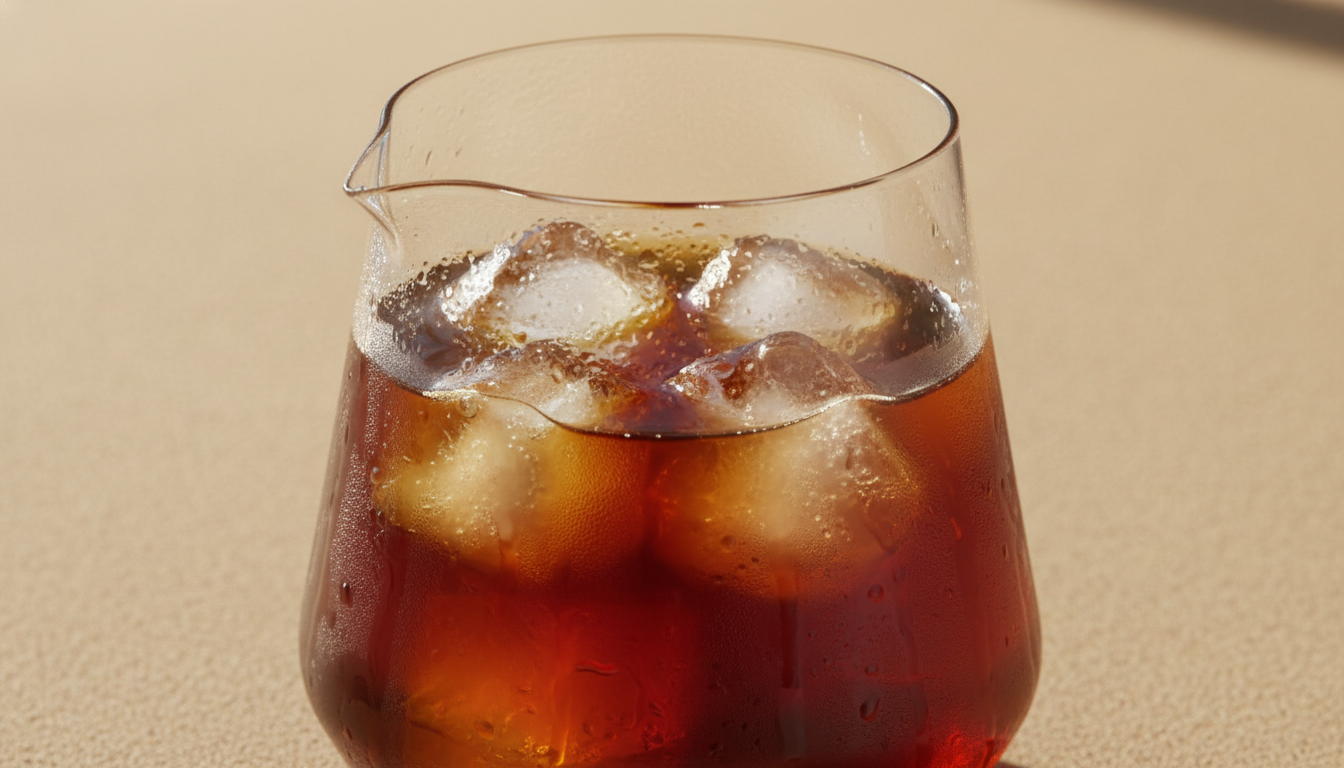
Best Coffee for Iced Coffee and Latte Quick Answer
The best iced coffee features bright acidity, smooth body, and flavor notes that shine when chilled. Single-origin African and Central American beans work well for cold brew, while espresso blends excel in iced lattes. Look for medium roasts with fruity or chocolate notes that complement milk and ice.
Iced coffee and cold lattes have become year-round staples for coffee enthusiasts, with consumption patterns showing significant growth across all seasons. The key to exceptional cold-brewed beverages lies in selecting beans specifically suited to cold brewing methods, where flavor extraction and taste profile differ markedly from hot coffee preparation. Cold-steeped coffee requires different bean characteristics than hot brewing because the extended steeping time and lower temperatures extract compounds differently, emphasizing certain flavor notes while muting others.
Key Considerations for Iced Coffee
- • Acidity levels become more pronounced when chilled
- • Body and mouthfeel require careful bean selection
- • Flavor notes should complement milk and sweeteners
- • Brew method impacts extraction and final taste
- • Roast level affects cold brew performance
Best Coffee Types for Iced Beverages
Single-Origin Beans
Single-origin African coffees from Ethiopia and Kenya offer bright, fruity notes that shine in cold brew. Central American single-origins from Guatemala and Costa Rica provide balanced acidity with chocolate undertones ideal for iced lattes. These origin-specific beans develop unique flavor profiles during cold steeping that differ significantly from hot brewing.
- • Ethiopian Yirgacheffe: Floral, berry notes
- • Kenyan AA: Bright, citrus-forward
- • Guatemalan Huehuetenango: Chocolate, spice
Espresso Blends
Purpose-built espresso blends work exceptionally well for iced lattes and cold espresso drinks. These blended coffees balance sweetness, body, and crema for consistent results across brewing methods. Espresso-specific blends are formulated to maintain their character when chilled, unlike single-origins which can taste flat in cold applications.
- • Medium roast blends: Smooth, balanced
- • Dark roast blends: Bold, rich body
- • Specialty blends: Unique flavor profiles
Roast Levels for Cold Brewing
Light Roasts
Light roasted coffee preserves origin characteristics and acidity. When cold-brewed, lightly roasted beans produce clean, bright cups with pronounced flavor notes. The light roast profile works exceptionally well for specialty single-origins because the minimal roasting allows origin-specific compounds to remain intact during cold steeping. Best for: specialty single-origins, pour-over style cold brew.
Medium Roasts
Medium roasted coffee offers balanced acidity and body, making the roast level versatile for cold brewing applications. Medium roasts work well for both black iced coffee and milk-based drinks because the roasting process develops enough sweetness to balance acidity without overpowering delicate flavors. Best for: everyday iced coffee, iced lattes.
Dark Roasts
Dark roasted coffee produces bold, smooth cold brew with lower acidity. Dark roast profiles excel in iced lattes where milk complements the rich body and caramelized sweetness. The extended roasting time creates compounds that remain stable during cold steeping, preventing the flat taste that sometimes occurs with lighter roasts. Best for: iced lattes, cold brew concentrate.
Top Coffee Recommendations for Iced Drinks 2026
For Black Iced Coffee
Black iced coffee benefits from single-origin beans with bright acidity and interesting flavor notes. Ethiopian and Kenyan single-origins shine when cold-brewed, offering complexity that develops as the cold brew cools further. The flavor profile of black iced coffee emphasizes origin characteristics because the absence of milk allows subtle notes to remain prominent.
For Iced Lattes
Iced lattes work best with espresso blends and medium roasts. The milk in iced lattes mellows acidity while the coffee's body and sweetness become more prominent. Espresso-based iced lattes benefit from blends with chocolate or caramel notes because the milk amplifies these flavor compounds.
For Cold Brew Concentrate
Cold brew concentrate requires medium to dark roasts to create smooth, concentrated cold-steeped coffee that can be diluted with water or milk. Concentrated cold brew develops natural sweetness during the extended cold brewing process because the prolonged steeping extracts different compounds than hot brewing.
Brewing Tips for Perfect Iced Coffee
Pro Tips for Best Results
- • Use filtered water in cold brew to avoid mineral interference with cold extraction
- • Grind coffee beans immediately before brewing for maximum freshness and flavor preservation
- • Maintain a 1:4 coffee-to-water ratio for balanced cold-brewed beverages
- • Strain cold brew through fine mesh or paper filters for clarity and smooth mouthfeel
- • Store cold brew concentrate in the refrigerator for up to 2 weeks to maintain flavor integrity
- • Dilute cold brew concentrate with equal parts water or milk for serving to achieve desired strength
Related Guides
Best Coffee Beans for Espresso 2026
Expert recommendations for espresso-specific beans and blends.
BUYING GUIDEBest Oat Milk for Lattes at Home
Pairing milk alternatives with your favorite coffee.
RECIPEBeginner's Guide to Coffee Grinders
Achieving consistent grind size for cold brew.
BEGINNERBest Espresso Machines Under $500
Equipment for making iced espresso drinks at home.
BUYING GUIDECold Brew Guide
Master the art of cold brewing for iced lattes.
RECIPEBest Iced Espresso Drinks
More iced espresso drink recipes.
RECIPELatte Art Guide
Elevate your iced lattes with latte art.
TUTORIALMilk Steaming Guide
Perfect milk for iced lattes.
TUTORIALSources
1. Specialty Coffee Association. "Cold Brew Coffee Standards and Best Practices." 2026.
2. Hoffmann, J. "The World Atlas of Coffee: From Beans to Brewing." 2nd Edition. 2026.
3. Perfect Daily Grind. "The Complete Guide to Cold Brew Coffee." 2026.
4. National Coffee Association. "Cold Brew and Iced Coffee Market Trends 2026." 2026.