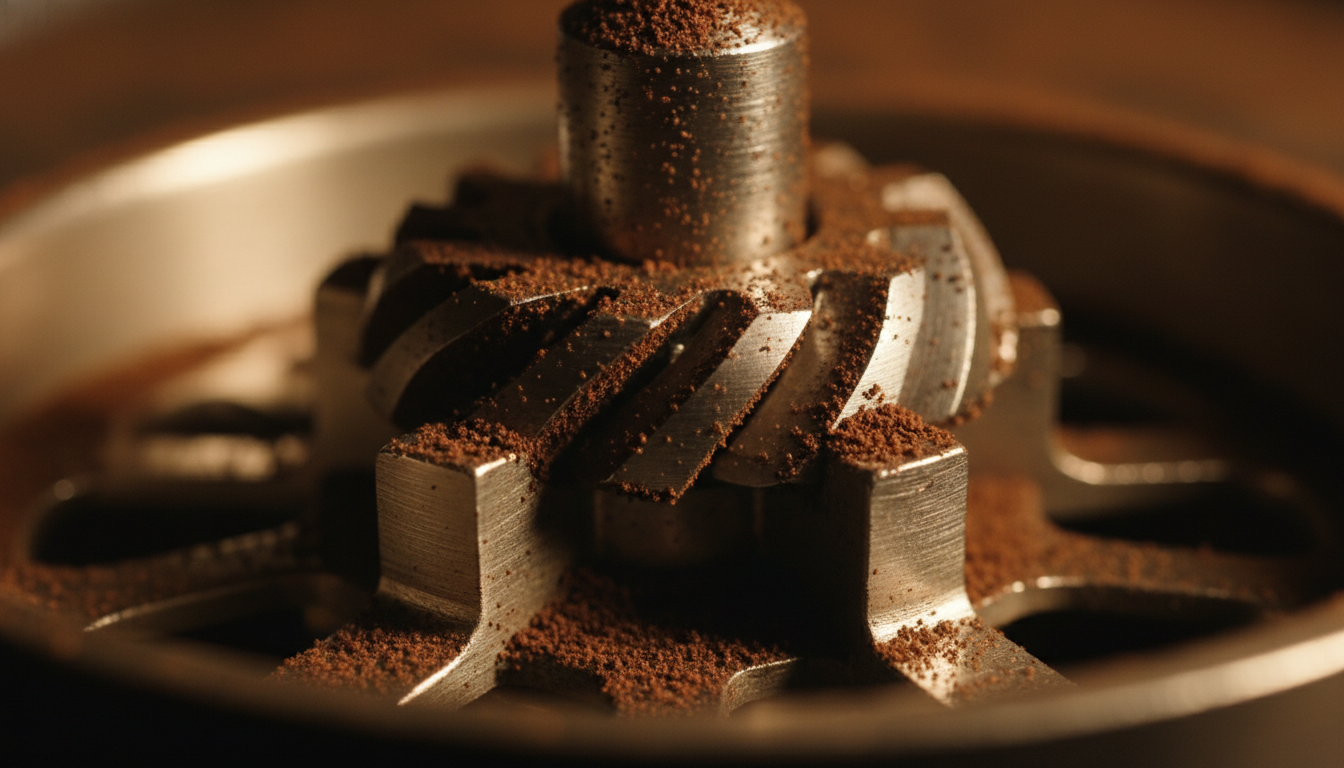
Quick answer: choose the brewing method first
For espresso, prioritize supported espresso use and fine adjustment. For filter coffee, choose a grinder designed for your brewer. If you change beans frequently, compare single-dose workflow and cleaning access. Flat burrs alone do not establish which grinder is best for you.
We researched manufacturer information online for this guide. We have not measured these grinders' sound, retention or cup results ourselves, so the comparisons below separate documented specifications from buying considerations.
Method and model selector
| Model or family | Method and variant | What to compare | Evidence basis |
|---|---|---|---|
| Eureka Mignon Specialità | Espresso; standard Specialità with 55 mm steel burrs | Stepless adjustment and timed dosing suit a repeatable espresso routine. Match the listing to this model, not a similarly named variant. | Manufacturer specifications; no independent noise comparison here. |
| Fellow Ode Gen 2 | Drip and immersion brewing; not espresso | Consider for a filter-only setup. A flat-burr design does not make it an espresso grinder. | Explicit manufacturer method guidance. |
| DF64 family | Method suitability depends on generation and installed burr set | For a single-dose shortlist, require the exact generation, burr maker and burr model on the seller's listing. Ask about service and replacement parts. | Buying criteria only; no family-wide performance ranking. |
| Baratza Forté family | Identify AP or BG and the installed burr set | Use the matching manual to check method support and dosing workflow. Do not combine different variants into one specification. | Variant check required before choosing; no shared price or retention figure. |
| Eureka Mignon Silenzio family | Confirm the generation and burr specification | Compare controls, supported brewing method and delivered price with the Specialità. The name alone does not establish the cheapest or quietest choice. | Buying criteria only; no measured sound ranking. |
Sources: Eureka Specialità specifications and Fellow's Ode Gen 2 method guidance, checked September 19, 2026. Model-family rows are comparison prompts, not verified recommendations for every version.
Espresso: adjustment matters more than a burr label
With a non-pressurized basket, you need to change grind size finely enough to dial in a shot. Check that the manufacturer supports espresso and that the controls let you make small, repeatable changes. A grinder that reaches a fine setting can still be frustrating if one adjustment moves from too fast to too slow.
The standard Mignon Specialità is a candidate for a dedicated espresso setup because Eureka documents stepless adjustment and espresso use. Its named sound-reduction features do not tell you how loud it will be on your counter relative to another grinder. For switching between espresso and filter, also compare how easily you can return to a saved setting.
Filter coffee: keep Ode Gen 2 in its intended role
Fellow states that Ode Gen 2 is for drip and immersion coffee, not espresso. That makes the method boundary clear even before comparing convenience features or price. If you need one grinder for both espresso and filter, choose an expressly supported all-purpose model rather than assuming an Ode burr change will make the entire machine suitable.
Single dosing versus a hopper
Single dosing
Weigh each portion before grinding. This can suit a routine with several beans or decaf, but adds a weighing step. Compare loading, grounds collection and cleaning access. Bellows are a workflow feature, not proof that no grounds remain inside.
Hopper dosing
Keep a working amount of one coffee in the hopper and dispense each dose. Timed dosing can simplify repeated drinks, but check the actual output with a scale as beans and settings change. Compare how awkward it is to empty the hopper when switching coffees.
For DF64 listings in particular, compare the exact generation and burr set rather than relying on a generic family review. Aftermarket compatibility, warranty support and brewing range need confirmation for the specific unit.
How to read retention and noise claims
Retention can mean grounds left inside after use; exchange describes old grounds displaced into a later dose. An equal input and output weight does not prove that every gram in the cup came from the current beans. A useful comparison explains the beans, dose, setting, cleaning state, use of bellows and number of repeats.
For sound comparisons, look for the same measurement distance, room, background level and grinding load. Without that context, precise decibel figures from different reviews are not a fair ranking. This guide does not assign retention or sound scores.
Does a flat burr guarantee better flavor?
No. Burr geometry, alignment, operating conditions, beans and brewing recipe all matter. “Flat” is not a guarantee of fewer fines, better sweetness or a particular flavor profile. Compare evidence for the actual burr set and brewing method instead of treating burr shape or diameter as a universal quality ranking.
If you are deciding between common burr sizes, continue to the 64 mm versus 83 mm guide. Keep machine size, adjustment, support and budget in the decision too.
Before you order
- Write down the exact generation, burr set and supported brewing methods.
- Compare the delivered price in your country, including any accessories required for your preferred workflow.
- Check counter height with the hopper or lid open, grounds-container access and cleaning instructions.
- Confirm local warranty coverage, burr availability and who provides repairs.
- Choose the routine you will use daily; do not pay for burr swapping or dosing features you do not need.