Equipment
Best Milk Frothers for Latte Art
Complete comparison of top milk frothers with detailed reviews and recommendations for every budget.
⏱ 8 min
READ Equipment →
Technique & Equipment Guide 2026 — Master microfoam creation with the right frother for your skill level and budget.
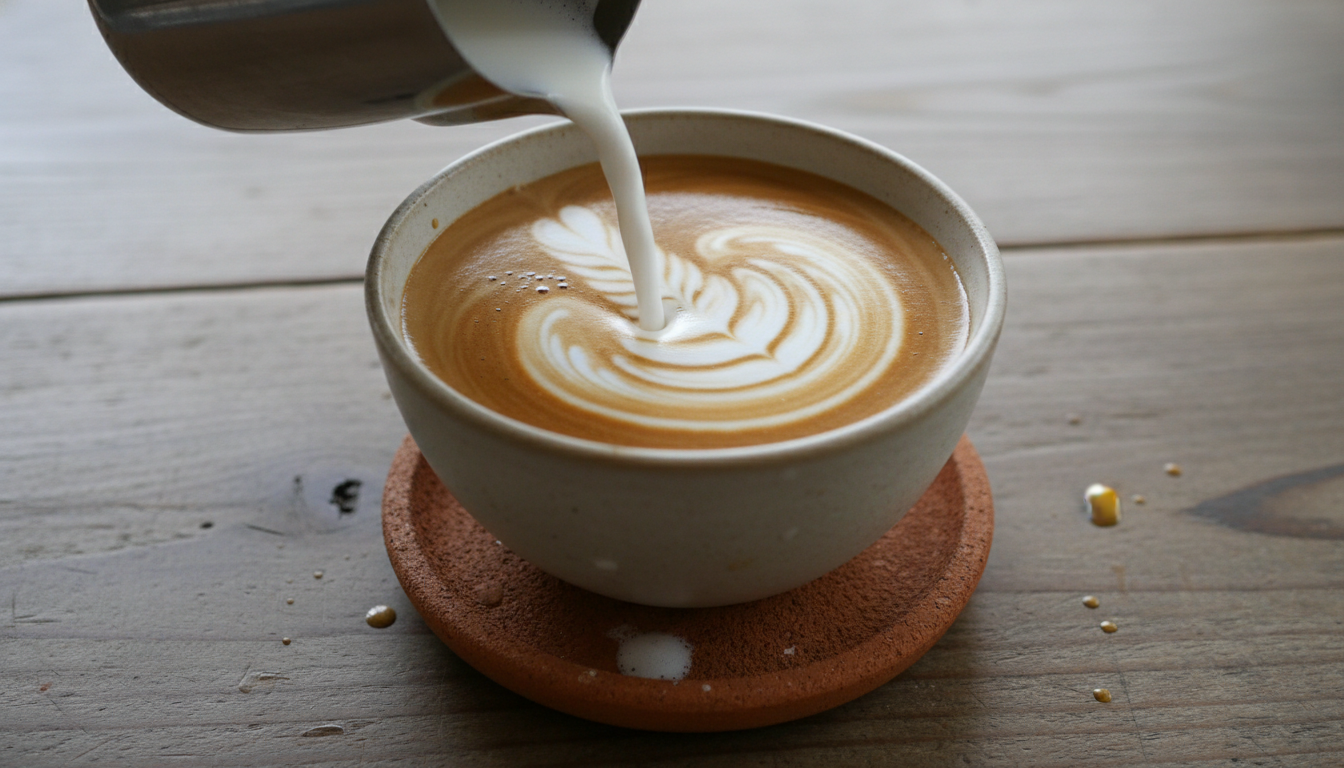
A milk frother can make foam without making milk suitable for latte art. For a controlled pour, look for glossy milk with fine bubbles that flows as one mixture. A stiff foam cap that sits on thin milk is better suited to spooning onto a drink than drawing a heart.
It depends on the texture it produces with your milk and technique. A latte setting or a large amount of foam does not establish that a device can pour hearts, rosettas or tulips. This guide compares equipment types and practical limits; it does not promise a particular design from a particular frother.
A steam wand heats and aerates milk while you control its position and circulation. A whisk or pump introduces air mechanically; handheld and manual devices generally need a separate heating step. If learning free-pour art is your main goal, compare milk steamers alongside frothers, then follow the latte-art technique guide.
If latte art is not the goal, narrower guides cover other frother jobs: the best handheld milk frothers for everyday coffee, the best milk frothers for cold foam, the best milk frothers for matcha, chai and hot chocolate, and stainless steel milk frothers with uncoated milk-contact surfaces. If you make two or more milk drinks per session, compare foam fill limits in our guide to the best large-capacity milk frothers.
Understanding the three main frother categories helps you choose the right tool for your skill level, budget, and latte art ambitions.
Battery or USB-powered whisk wands that froth pre-heated milk. Compact, affordable, and portable—but require separate milk heating.
Self-contained units that heat and froth milk automatically. Settings and heating controls vary by model; check the manual before choosing.
Hand-powered pump devices that create foam through manual plunging. Pumping controls aeration; heating and texture depend on the device and technique.
We've researched equipment information online for this guide. The comparison is research-based; we have not performed hands-on frothing or pouring trials. Features can help you choose a workflow, but they do not establish repeatable latte-art results.
| Model or listing | What to compare | Buying limitation |
|---|---|---|
| Breville Milk Cafe BMF600 | Breville lists induction heating, temperature selection, and separate latte and cappuccino discs. | A latte disc is a workflow option, not evidence that this model reliably pours complex designs. |
| Nespresso Aeroccino 4 | Check the exact regional manual for milk settings, fill limits and cleaning instructions. | Choose based on drink preparation needs; this guide does not rate its heart or rosetta performance. |
| PowerLix handheld listings | Confirm the specific power source and whisk attachment; the brand name alone does not identify a variant. | Allow for separate heating and a suitable vessel. Motor speed alone cannot establish foam texture. |
| Bodum Latteo | Check the manual's heating method, fill mark and care requirements. | A manual pump provides control over pumping, but does not guarantee pourable microfoam. |
| Miroco electric listings | Match the model number to its manual before comparing settings or capacity. | A generic brand listing is insufficient to make a model-specific latte-art recommendation. |
Feature source: Breville BMF600 product information, reviewed September 19, 2026. Other rows identify purchase checks rather than verified performance rankings.
Swirl the prepared milk gently in a suitable pitcher. Look for a glossy, integrated mixture rather than dry foam sitting on liquid. If it pours in clumps, try less aeration on your next attempt. Keep the milk, amount and setting consistent while changing one variable. Use the latte-art guide for pouring practice once the texture flows evenly.
Follow your device and milk manufacturer's heating guidance. Use a thermometer when heating separately, avoid boiling the milk, and do not judge temperature by holding a hot vessel. A temperature setting alone cannot correct over-aerated or separated foam.
Use these starting points with your device manual, then check the texture before pouring. They are practice suggestions, not tested recipes for every model.
Use cold milk — Follow the starting-temperature instructions for your model and chosen milk.
Fill to correct level — Don't exceed max fill line. Overfilling creates large bubbles and spillage.
Select latte disc — If your device has a latte attachment or lower-foam setting, use the option its manual recommends.
Tap and swirl — After frothing, tap the jug on the counter to break large bubbles, then swirl to integrate foam.
💡 Pro Tips:
Heat milk first — Use a suitable vessel and the heating guidance for your milk. Use a thermometer to monitor temperature.
Angle the whisk — Hold frother at 45° angle near the surface, not straight down.
Create vortex — Move whisk in circular motion to create whirlpool effect—this integrates bubbles.
Watch the texture — Stop before foam forms a stiff cap. Adjust aeration gradually on the next attempt.
💡 Pro Tips:
Heat milk in carafe — Heat only components the manufacturer permits, using its directions; never assume every glass carafe is microwave-safe.
Add air gradually — Start with a few strokes and inspect the amount of foam.
Slow down — Switch to slower, deeper pumps to break large bubbles and create microfoam.
Stop and inspect — Aim for an integrated mixture, rather than a fixed pump count.
💡 Pro Tips:
Keep the milk type and amount consistent while learning. Changing fat content, temperature and aeration together makes it harder to work out why a pour changed. Judge the resulting texture rather than assuming dairy guarantees success.
Look for preparation guidance on your chosen carton. Barista formulations are intended for coffee use, but brands differ. Start with the recommended method and adjust aeration gradually; a plant-based label alone does not predict foam stability. If oat milk is your everyday choice, compare which appliances document plant-milk use in our guide to the best milk frothers for oat milk.
Proper cleaning extends frother life and maintains microfoam quality. Milk residue affects performance and taste.
After Each Use:
Weekly Deep Clean:
Complete comparison of top milk frothers with detailed reviews and recommendations for every budget.
Master milk steaming and pouring techniques to create beautiful hearts, rosettas, and tulips at home.
Professional-grade steamers and espresso machine wands for serious home baristas pursuing latte art perfection.
Choose the right frother for your needs, master the techniques, and practice consistently. Progress depends on milk texture and pouring practice; improve one variable at a time.