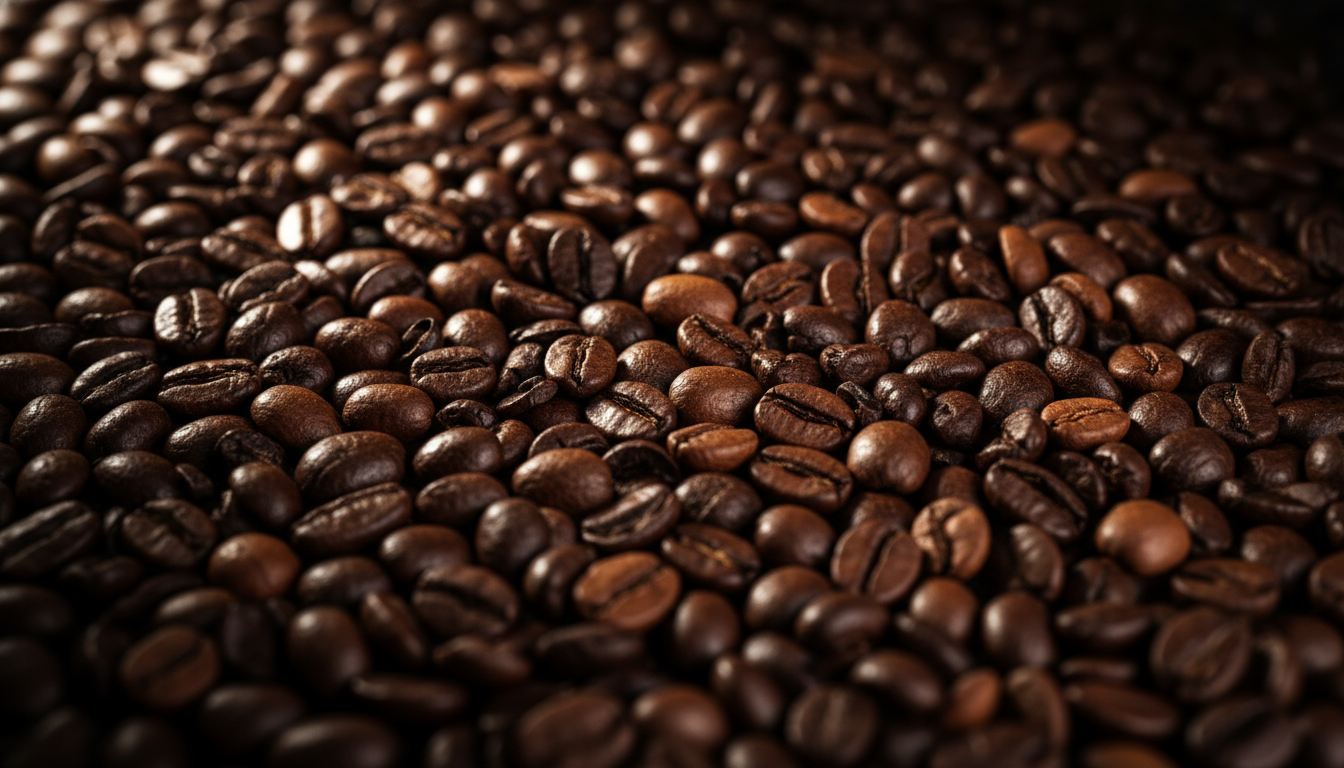
Roast Comparison for Cold Brew
| Roast Level | Typical Cold Brew Result | Best Use Case |
|---|---|---|
| Light | Higher brightness, lighter body | Black servings when you want origin expression. |
| Medium | Balanced sweetness and structure | Most versatile default for weekly prep. |
| Medium-dark | More body, lower brightness | Milk-forward drinks and stronger concentrates. |
| Very dark | Smoky/flat risk after dilution | Only if you prefer intense, bold flavor. |
How to Pick the Right Roast in Practice
- 1. Choose drink style: black, milk-based, or mixed weekly workflow.
- 2. Use origin guidance in best origins for cold brew.
- 3. Select roast band: medium for baseline, medium-dark for milk drinks.
- 4. Lock extraction variables with grind size standards and weak brew diagnostics.
Related Guides
FAQ
What roast level is best for cold brew?
For most home baristas, medium roast is the most reliable starting point. It balances sweetness, body, and clarity without the bitterness risk of very dark roasts.
Is dark roast better for cold brew concentrate?
Dark roast can produce strong body for milk drinks, but very dark beans may taste smoky or flat. Medium-dark is often a better compromise.
Can light roast work for cold brew?
Yes, but it usually needs tighter control over grind and steep time to avoid sour or thin results. It is less forgiving than medium roast for beginners.
Should roast choice change for ready-to-drink vs concentrate?
Often yes. Concentrate can tolerate slightly darker profiles, while ready-to-drink batches usually benefit from balanced medium roasts for cleaner flavor.