Breville Barista Touch Grind Settings Explained
Master the built-in conical burr grinder on the Barista Touch espresso machine with precise grind size adjustment techniques
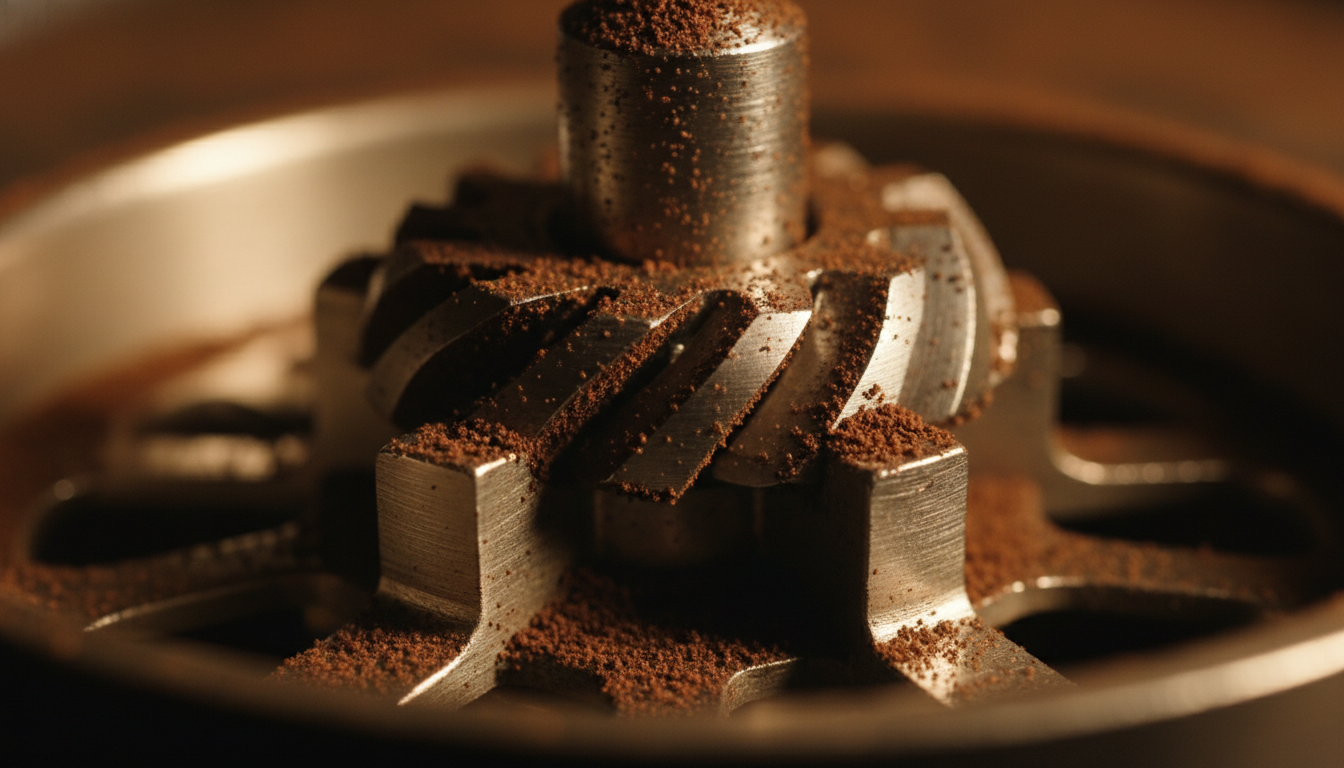
Precision conical burr grinder mechanism in the Breville Barista Touch
Quick Answer
The Breville Barista Touch features 30 grind settings (1-30), with settings 5-8 recommended for espresso. The built-in conical burr grinder integrates with the touchscreen interface for grind-by-time dosing. Adjust grind size finer for slower extraction, coarser for faster flow.
Breville Barista Touch Grinder: Entity Definition
Built-in Grinder Specifications
Breville Barista Touch Grinder: Integrated conical burr grinding system with 30-step grind size adjustment (1-30), stainless steel burr construction, grind-by-time dosing mechanism, and direct-to-portafilter grinding chute.
Entity Taxonomy:
Breville Barista Touch Grinder
- ├─ Grind Size Range: 1 (finest) to 30 (coarsest)
- ├─ Burr Type: Stainless steel conical burrs
- ├─ Dosing Method: Grind-by-time (adjustable 5-20 seconds)
- ├─ Touchscreen Integration: Digital grind control
- ├─ Adjustment Mechanism: Side-mounted dial
- └─ Bean Hopper Capacity: 250 grams
Grind Setting Application Matrix
| Grind Setting Range | Brewing Method | Extraction Time Target | Best For |
|---|---|---|---|
| 1-4 | Extra-fine espresso | 35-45 seconds | Dark roast, pressurized baskets |
| 5-8 | Standard espresso | 25-30 seconds | Medium roast, standard baskets |
| 9-12 | Coarse espresso | 20-25 seconds | Light roast, fast extraction |
| 13-20 | Drip coffee | N/A | Pour-over, batch brew |
| 21-30 | French press | N/A | Cold brew, immersion methods |
Espresso Starting Point: Dial-In Process
Recommended Starting Settings
Espresso Baseline: Begin with grind setting 6 on the Barista Touch grinder. This setting provides a medium-fine grind suitable for most medium-roast espresso beans in standard non-pressurized baskets.
Dial-In Steps (Sequential)
- 1. Set Baseline: Adjust grind dial to setting 6 → Lock bean hopper into position
- 2. Dose Ground Coffee: Grind 18-20 grams into portafilter → Level and tamp with 30 lbs pressure
- 3. Extract Shot: Pull 36-gram espresso shot → Time the extraction duration
- 4. Analyze Flow Rate: Under 20 seconds = too fast (adjust finer); Over 35 seconds = too slow (adjust coarser)
- 5. Adjust Incrementally: Move grind setting by 1 step → Purge 2-3 grams before next shot
- 6. Repeat Until Optimal: Target 25-30 second extraction with steady mouse-tail flow
Grind Adjustment Impact Matrix
| Observation | Grind Adjustment | Expected Result |
|---|---|---|
| Shot pulls in 15 seconds | Adjust 2-3 settings finer | Increased resistance, slower flow |
| Shot pulls in 40+ seconds | Adjust 2-3 settings coarser | Reduced resistance, faster flow |
| Sour, under-extracted taste | Adjust 1 setting finer | Increased extraction, reduced sourness |
| Bitter, over-extracted taste | Adjust 1 setting coarser | Decreased extraction, reduced bitterness |
| Channeling (spraying) | Adjust slightly coarser + improve distribution | Even water flow through puck |
Bean Age Consideration: Freshly roasted beans (3-14 days post-roast) require slightly coarser grind settings than older beans. As coffee degasses, the puck becomes more resistant to water flow. Adjust grind setting coarser by 1-2 steps as beans age beyond three weeks.
Roast Level Adjustment: Dark roast coffees extract more readily than light roast coffees. For dark roasts, start at grind setting 7-8. For light roasts, start at grind setting 4-5. The solubility difference between roast levels affects optimal grind size significantly.
Touchscreen Integration & Grind Control
Digital Grind Interface
Barista Touch Interface: The touchscreen display provides digital control over grind time settings while the physical side dial controls grind size. This dual-control system separates dosing (time-based) from particle size adjustment.
Interface Components
Touchscreen Controls (Grind Time): Adjust grind duration from 5-20 seconds → Controls dose weight based on grind setting
Physical Dial (Grind Size): 30-step adjustment from 1-30 → Controls particle size distribution
Programmable Presets: Save grind time settings for different drink profiles → Recall with single touch
Grind-by-Time vs Grind-by-Weight
The Barista Touch uses grind-by-time dosing rather than grind-by-weight. Time-based dosing produces consistent results when grind settings remain stable. However, changing grind size affects dose weight—the same 10-second grind produces less coffee at finer settings (denser packing) than at coarser settings.
Compensation Technique: When adjusting grind size finer, increase grind time by 0.5-1 second to maintain consistent dose weight. When adjusting coarser, decrease grind time by 0.5-1 second. This compensation maintains dose consistency during dial-in adjustments.
Recommended Grind Times by Setting: At grind setting 6 (espresso baseline), program 12-14 seconds for 18-20 gram dose. At grind setting 12 (coarse), program 10-11 seconds for equivalent dose weight. At grind setting 3 (fine), program 14-16 seconds for equivalent dose weight.
Grinder Cleaning & Maintenance
Regular cleaning maintains grind consistency and prevents flavor contamination. The Barista Touch grinder requires different cleaning approaches for daily, weekly, and monthly intervals.
Cleaning Schedule
Daily: Brush residual grounds from chute → Run 2-3 grams through to purge old grounds
Weekly: Remove bean hopper → Wash with warm water (dry completely before reinstalling)
Monthly: Use grinder cleaning tablets → Run through grinder to remove oil buildup on burrs
Quarterly: Access upper burr (removable) → Brush burr teeth clean of accumulated fines
Burr Maintenance: The stainless steel conical burrs in the Barista Touch maintain sharpness for approximately 500-800 pounds of coffee. For home use (1-2 pounds monthly), burrs last 3-5 years. Signs of dull burrs include increased grinding noise, inconsistent particle size, and longer grind times for equivalent doses.
Retention Management: The Barista Touch grinder retains 1-2 grams of coffee between grind cycles. Always purge 2-3 grams before first morning grind to clear stale grounds. For single-dosing, weigh beans into hopper rather than filling completely to minimize retention.
Limitations vs Standalone Grinders
While the Barista Touch grinder produces quality espresso grounds, certain limitations exist when compared to dedicated standalone espresso grinders. Understanding these constraints helps set appropriate expectations.
| Feature | Barista Touch Grinder | Standalone Grinder |
|---|---|---|
| Adjustment Steps | 30 steps (coarse increments) | Micro-adjustment (infinite or 400+ steps) |
| Grind Speed | ~1.5g per second | ~2-4g per second |
| Dosing Method | Time-based only | Weight-based (gravimetric) available |
| Retention | 1-2 grams | 0.2-0.5 grams (low retention models) |
| Burr Size | 40mm conical | 55-65mm conical or flat |
| Single Dosing | Difficult (bean hopper design) | Optimized for single dosing |
Adjustment Step Limitation: The 30-step adjustment provides adequate range for espresso but lacks micro-adjustment precision. When optimal extraction falls between two settings (e.g., between settings 5 and 6), compensation requires adjusting dose weight or yield ratio rather than grind size alone.
Suitable Applications: The Barista Touch grinder excels for medium-roast espresso, milk-based drinks, and daily home use. For light roast espresso requiring very fine grinding, or for enthusiasts pursuing competition-level precision, a dedicated espresso grinder provides superior adjustability and consistency.
Research & Authoritative Sources
Grind adjustment steps on Barista Touch grinder
Source: Breville Product Specifications
Optimal espresso extraction time in seconds
Source: Specialty Coffee Association Standards
Conical burr diameter in Barista Touch grinder
Source: Breville Technical Documentation
Grounds retention between grind cycles
Source: Home Barista Forum Analysis
Authoritative Sources
Breville - Barista Touch Official Documentation
Visit Source →Specialty Coffee Association - Espresso Standards
Visit Source →Home-Barista.com - Grinder Adjustment Guides
Visit Source →Barista Hustle - Dial-In Methodology
Visit Source →Related Content & Deep Dives
Breville Barista Touch Complete Review
Comprehensive analysis of the Barista Touch espresso machine features, performance, and value assessment.
Espresso Dial-In Complete Guide
Master the systematic approach to adjusting grind, dose, and yield for perfect espresso extraction.
Espresso Grind Size Guide
Understand particle size distribution and how grind affects extraction rate and flavor development.
Grinder Burr Types Explained
Compare conical vs flat burr designs and their impact on particle uniformity and flavor extraction.
Frequently Asked Questions
What grind setting should I use for espresso on the Barista Touch?
Start at grind setting 6 for medium-roast espresso beans. Adjust finer (lower numbers) for light roasts or faster extraction, coarser (higher numbers) for dark roasts or slower extraction. The optimal range typically falls between settings 5-8 for standard espresso preparation.
How do I adjust grind size on the Barista Touch?
Rotate the side-mounted grind adjustment dial to change settings from 1-30. The dial clicks at each numbered position. Always purge 2-3 grams of coffee after adjusting grind size to clear retained grounds from the previous setting. Adjust one step at a time and evaluate shot results before further changes.
Why does my shot run too fast or too slow?
Fast extraction (under 20 seconds) indicates grind size is too coarse—adjust finer by 1-2 settings. Slow extraction (over 35 seconds) indicates grind size is too fine—adjust coarser by 1-2 settings. Also verify dose weight (18-20g), tamp pressure (30 lbs), and bean freshness (use within 4-6 weeks of roast date).
Can the Barista Touch grinder handle pour-over or French press?
Yes. Use grind settings 13-20 for drip/pour-over coffee and settings 21-30 for French press. However, the grinder excels at espresso-range grinding. For coarse brewing methods, dedicated grinders often provide more consistent particle distribution at coarse settings.
How often should I clean the Barista Touch grinder?
Brush the chute daily, wash the bean hopper weekly, use grinder cleaning tablets monthly, and deep-clean the removable upper burr quarterly. Regular cleaning prevents oil buildup that causes inconsistent grinding and off-flavors. Replace burrs every 3-5 years with typical home use.
Conclusion: Mastering Barista Touch Grind Settings
The Breville Barista Touch grinder provides sufficient adjustment range for quality home espresso preparation. Understanding the 30-step grind size adjustment, grind-by-time dosing system, and dial-in methodology enables consistent extraction results. Start at setting 6, adjust incrementally based on extraction time, and maintain regular cleaning for optimal performance.
While the built-in grinder has limitations compared to standalone espresso grinders—particularly in micro-adjustment precision and grind speed—the Barista Touch grinder delivers excellent results for milk-based drinks and medium-roast espresso. For most home baristas, mastering the adjustment system yields better results than upgrading equipment.
Apply the dial-in process systematically: set baseline grind setting, measure extraction time, adjust one step at a time, and purge between changes. With practice, dialing in new beans becomes a quick, predictable process that delivers consistently delicious espresso from the Barista Touch machine.