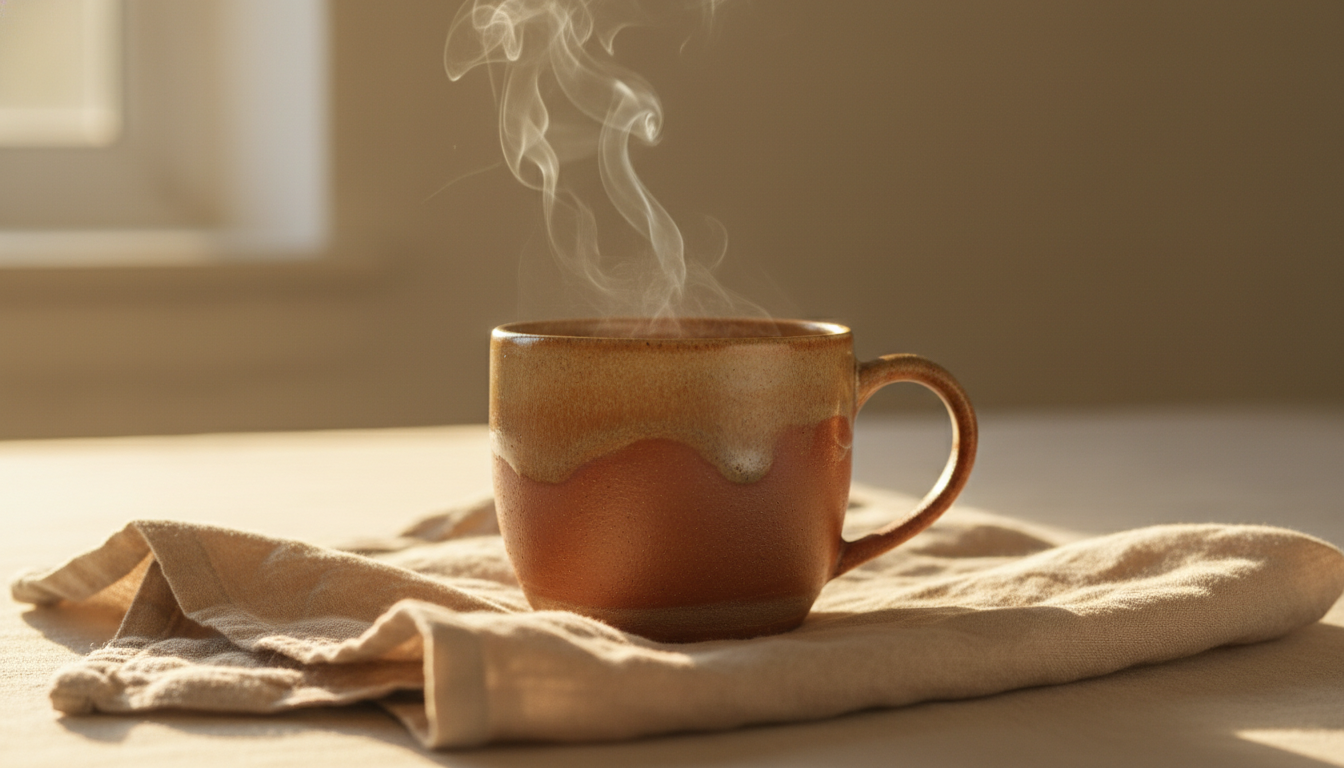
Café au lait is French for "coffee with milk," a traditional hot beverage combining brewed coffee and heated milk in equal parts. Originating in 17th-18th century Europe, café au lait represents the French adaptation of coffee to local tastes, creating a smooth, milky drink perfect for slow morning sipping and pastry dipping.
Definition and Origin
Café au lait literally translates to "coffee with milk" in French. The beverage emerged from 17th-18th century European coffee culture, with early mentions dating to the Ottoman Empire's "cafe sade" in the 16th century, Dutch traders in China by 1660, and Paris cafés by the 1600s-1760s. The drink softened coffee's bitterness for broader appeal and became an iconic French breakfast staple. The term "café au lait" first appeared in English in 1763, cementing its place in coffee culture.
Traditional Milk-to-Coffee Ratio
The traditional café au lait ratio is 1:1—equal parts brewed coffee and heated milk. This creates a balanced, milky coffee ideal for slow sipping and pastry dipping. Total volume typically ranges from 8-20 ounces, with traditional French service using 200-250ml of each component in a large bowl. The equal ratio ensures neither coffee nor milk dominates, creating harmony between the two elements.
Café au Lait vs Latte vs Flat White
| Beverage | Base Coffee | Milk Preparation | Ratio | Key Distinction |
|---|---|---|---|---|
| Café au Lait | Drip/filter brewed | Heated/scalded (not steamed) | 1:1 coffee:milk | Uses brewed coffee, no foam |
| Latte | Espresso | Steamed with microfoam | 1:3 espresso:milk | Espresso-based, velvety foam |
| Flat White | Double espresso | Steamed microfoam | 1:2 espresso:milk | Stronger espresso, thin foam |
Step-by-Step Café au Lait Preparation
1. Brew Strong Coffee
Brew coffee using a 1:15 coffee-to-water ratio—for example, 20g of medium-ground beans for 300ml water at 92-96°C (197-205°F). Use a French press, drip, or pour-over method for 4 minutes extraction. Aim for strong black coffee (double strength if desired) to maintain flavor presence when mixed with milk. Medium roast Arabica beans provide balanced flavor without excessive bitterness.
2. Heat Milk Properly
Scald whole milk (not steam) in a saucepan to 80-90°C (176-194°F), just below boiling point. Heat for 2-3 minutes while stirring gently to prevent scorching. Avoid boiling milk as it scorches and separates. Scalding preserves natural sweetness and suits non-espresso coffee bases. Whole milk provides the best creaminess and mouthfeel.
3. Combine Coffee and Milk
Pour equal parts hot coffee and scalded milk (for example, 150ml each) into a preheated bowl or mug. Stir gently to combine. The traditional French method calls for pouring milk into coffee, though either order works. Preheating the serving vessel maintains temperature and prevents premature cooling.
4. Serve Immediately
Serve immediately in a handleless bowl for authentic French presentation. The bowl shape facilitates dipping croissants or other pastries. Café au lait should be hot but not scalding, with a smooth, velvety texture and no foam layer. Total preparation time is 5-10 minutes.
Best Coffee Beans and Brewing Methods
Coffee Beans
Medium roast Arabica beans (French or Brazilian blends) provide balanced flavor without excessive bitterness. Freshly grind to medium-coarse consistency. For New Orleans style, add chicory for traditional complexity. Avoid dark roasts that become overly bitter when mixed with milk.
Brewing Methods
- French Press: Medium-coarse grind, 92-96°C water, 4-minute steep. Full-bodied extraction and traditional method.
- Drip/Pour-Over: Medium grind, 92-96°C water, 2-4 minute extraction. Clean, strong brew base.
Avoid espresso—focus on filter methods for volume and traditional flavor profile.
Milk Types and Preparation
Whole milk provides the best creaminess and mouthfeel for traditional café au lait. Alternatives like oat milk work but dilute the authentic character. Avoid skim milk as it creates a watery texture. The key is scalding (heating stovetop to 80-90°C until steaming bubbles form) rather than steaming with an espresso machine wand. Scalding preserves natural sweetness and suits the non-espresso coffee base. Steamed milk creates microfoam more appropriate for lattes.
Equipment Needed
- French press or drip brewer for coffee extraction
- Saucepan or milk pitcher for scalding milk
- Large preheated mug or bowl (300-500ml, handleless for traditional service)
- Thermometer (optional) for precise milk temperature control
- Spoon for gentle stirring
Minimalist equipment is required—no espresso machine or steam wand needed.
Common Mistakes When Making Café au Lait
- Using steamed milk or espresso: This creates a latte, not café au lait. Traditional café au lait uses brewed coffee and scalded milk.
- Boiling milk: Temperatures above 90°C (194°F) scorch milk and cause separation. Heat just below boiling.
- Using weak coffee: Milk dominates the flavor. Use double-strength coffee to maintain balance.
- Cold components: Cold vessels cool the drink. Preheat mugs or bowls before serving.
- Creating foam: Traditional café au lait is foam-free. Avoid vigorous whisking or steaming.
Serving Suggestions and Variations
Serve café au lait hot in a bowl with croissants, tartines, or brioche for dipping. The beverage pairs perfectly with French breakfast pastries. Variations include Wiener Melange (elegant presentation with water on the side), New Orleans style (with chicory in coffee and scalded milk), and iced versions (using cold milk). Traditional French service emphasizes communal, leisurely morning consumption.
Cultural Significance and French Traditions
Café au lait represents an iconic French breakfast tradition since the 17th century, symbolizing conviviality in Paris cafés. Served in large bowls for dunking pastries, the drink reflects the adaptation of exotic coffee to local French tastes. The beverage evolved from Ottoman coffee traditions and became integral to European coffee culture. The New Orleans version connects to French colonial chicory use during coffee shortages. Café au lait remains a symbol of French breakfast culture and leisurely morning rituals.
Final Verdict: Mastering Café au Lait
Perfect café au lait requires attention to three key elements: strong brewed coffee, properly scalded milk (not steamed), and the traditional 1:1 ratio. The technique is simple but precision matters—use medium-coarse ground beans, heat milk to 80-90°C, and serve immediately in a preheated bowl. Café au lait offers a comforting, milky coffee experience that bridges the intensity of espresso drinks and the simplicity of drip coffee. Master this traditional French preparation for authentic café culture at home.
Ready to Explore More French Coffee Traditions?
Café au lait is just one of many classic coffee preparations. Expand your repertoire with other traditional brewing methods.
Master French press brewing techniques →