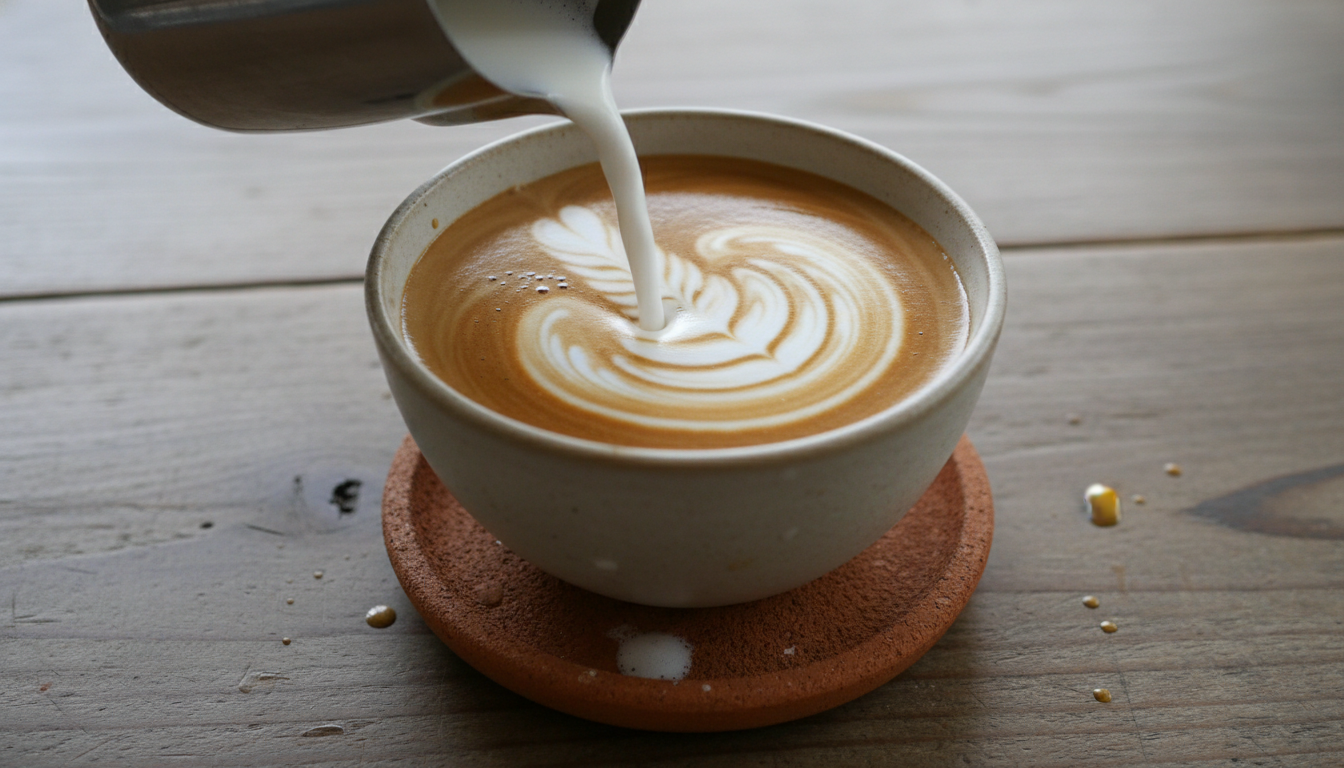
Essential Coffee Drinks Around the World
Coffee culture spans the globe, with each region developing signature drinks that reflect local tastes and traditions. From Italian espresso-based drinks to Vietnamese iced coffee, understanding these essential drinks expands your coffee appreciation and enables you to recreate café favorites at home.
These 15 drinks represent the foundation of modern coffee culture. Mastering their preparation and flavor profiles develops your coffee skills and palate.
15 Essential Coffee Drinks
Espresso
Origin: Italy
1-2 oz (30-60ml)
Concentrated coffee extracted under 9 bars pressure for 25-30 seconds
Flavor Profile
Bold, intense, full-bodied
Preparation
Finely ground coffee tamped into portafilter, extracted with hot water under pressure
Cappuccino
Origin: Italy
8-10 oz (240-300ml)
Espresso with equal parts steamed milk and milk foam
Flavor Profile
Creamy, balanced, milk-forward
Preparation
Single or double espresso topped with 1:1 ratio of steamed milk and foam
Latte
Origin: Italy-America
10-12 oz (300-360ml)
Espresso with mostly steamed milk and thin layer of foam
Flavor Profile
Smooth, milky, subtle coffee
Preparation
Single or double espresso with 8-10 oz steamed milk and small foam layer
Americano
Origin: WWII (American soldiers in Italy)
8-12 oz (240-360ml)
Espresso diluted with hot water
Flavor Profile
Mild, black, less intense than espresso
Preparation
1-2 shots espresso topped with 6-10 oz hot water
Flat White
Origin: Australia/New Zealand
8-10 oz (240-300ml)
Espresso with velvety microfoam milk
Flavor Profile
Balanced, silky, coffee-forward
Preparation
Double espresso with 4-6 oz velvety microfoam (thin foam layer)
Macchiato
Origin: Italy
1-2 oz (30-60ml)
Espresso marked with small amount of foam
Flavor Profile
Strong, espresso-forward, minimal milk
Preparation
Single or double espresso with 1 teaspoon of milk foam on top
Cortado
Origin: Spain/Portugal
4-5 oz (120-150ml)
Espresso and warm milk in equal proportions
Flavor Profile
Balanced, equal coffee and milk
Preparation
Single espresso with 2 oz warm milk (no foam)
Mocha
Origin: Yemen/Italy
10-12 oz (300-360ml)
Espresso with chocolate and steamed milk
Flavor Profile
Sweet, chocolatey, coffee-milk blend
Preparation
Single espresso with 1-2 oz chocolate syrup and 8-10 oz steamed milk
Affogato
Origin: Italy
4-6 oz (120-180ml)
Espresso poured over gelato or ice cream
Flavor Profile
Sweet, hot-cold contrast, creamy
Preparation
Single or double espresso poured over 2-3 oz gelato or vanilla ice cream
Ristretto
Origin: Italy
0.75-1 oz (22-30ml)
Short, concentrated espresso (less water)
Flavor Profile
Very concentrated, intense, bold
Preparation
Single espresso pulled for 15-20 seconds with less water (shorter pull)
Lungo
Origin: Italy
2-3 oz (60-90ml)
Long espresso (more water than standard)
Flavor Profile
Milder, more bitter, longer extraction
Preparation
Single espresso pulled for 40-60 seconds with more water (longer pull)
Vietnamese Iced Coffee
Origin: Vietnam
8-10 oz (240-300ml)
Strong drip coffee with sweetened condensed milk over ice
Flavor Profile
Strong, sweet, creamy, cold
Preparation
Brew strong coffee using phin dripper, pour over sweetened condensed milk and ice
Irish Coffee
Origin: Ireland
8-10 oz (240-300ml)
Hot coffee with Irish whiskey and whipped cream
Flavor Profile
Boozy, sweet, creamy, warm
Preparation
Hot coffee with 1.5 oz Irish whiskey, sugar, topped with whipped cream
Cold Brew
Origin: Modern specialty coffee
8-12 oz (240-360ml)
Coffee steeped in cold water for 12-24 hours
Flavor Profile
Smooth, sweet, low acidity
Preparation
Coarse grounds steeped in cold water overnight, filtered and served over ice
Doppio
Origin: Italy
2-4 oz (60-120ml)
Double espresso (two shots)
Flavor Profile
Very strong, concentrated, intense
Preparation
Two espresso shots pulled together or separately
Espresso-Based Drinks vs Other Coffee Drinks
Espresso-Based Drinks
Require espresso machine with pressure and steam wand. Include cappuccino, latte, macchiato, flat white, mocha, cortado.
Best for: Milk-based drinks, specialty beverages, café-quality drinks at home.
Other Coffee Drinks
Made with pour-over, French press, AeroPress, or cold brew. Include Americano, Vietnamese iced coffee, Irish coffee, cold brew.
Best for: Home brewing without espresso machine, quick preparation, cold beverages.
Frequently Asked Questions
What's the difference between cappuccino and latte?
Cappuccino uses equal parts espresso, steamed milk, and foam (1:1:1 ratio). Latte uses mostly steamed milk with small foam layer (1:3:0.25 ratio). Cappuccino is stronger and more foam-forward.
Which coffee drink has the most caffeine?
Doppio (double espresso) and Lungo have the most caffeine per ounce. Americano and long-pull espresso also contain significant caffeine. Milk-based drinks dilute caffeine with milk.
Can I make these drinks at home?
Yes. Espresso-based drinks require an espresso machine. Pour-over, French press, and AeroPress can make strong coffee for Americano-style drinks. Cold brew requires only a jar and strainer.
What's the best coffee drink for beginners?
Start with Americano or latte. Americano is simple (espresso + water). Latte is forgiving of imperfect espresso. Once comfortable, explore cappuccino, flat white, and specialty drinks.
Final Verdict: Which Drinks Should You Master?
Start with 3-4 drinks you enjoy most. Master their preparation before expanding your repertoire. Espresso machine owners should focus on cappuccino, latte, and flat white. Home brewers should master Americano, cold brew, and pour-over variations.
Understanding these essential drinks deepens your coffee appreciation and enables you to recreate café favorites at home. Each drink offers unique flavor profiles and preparation techniques worth exploring.