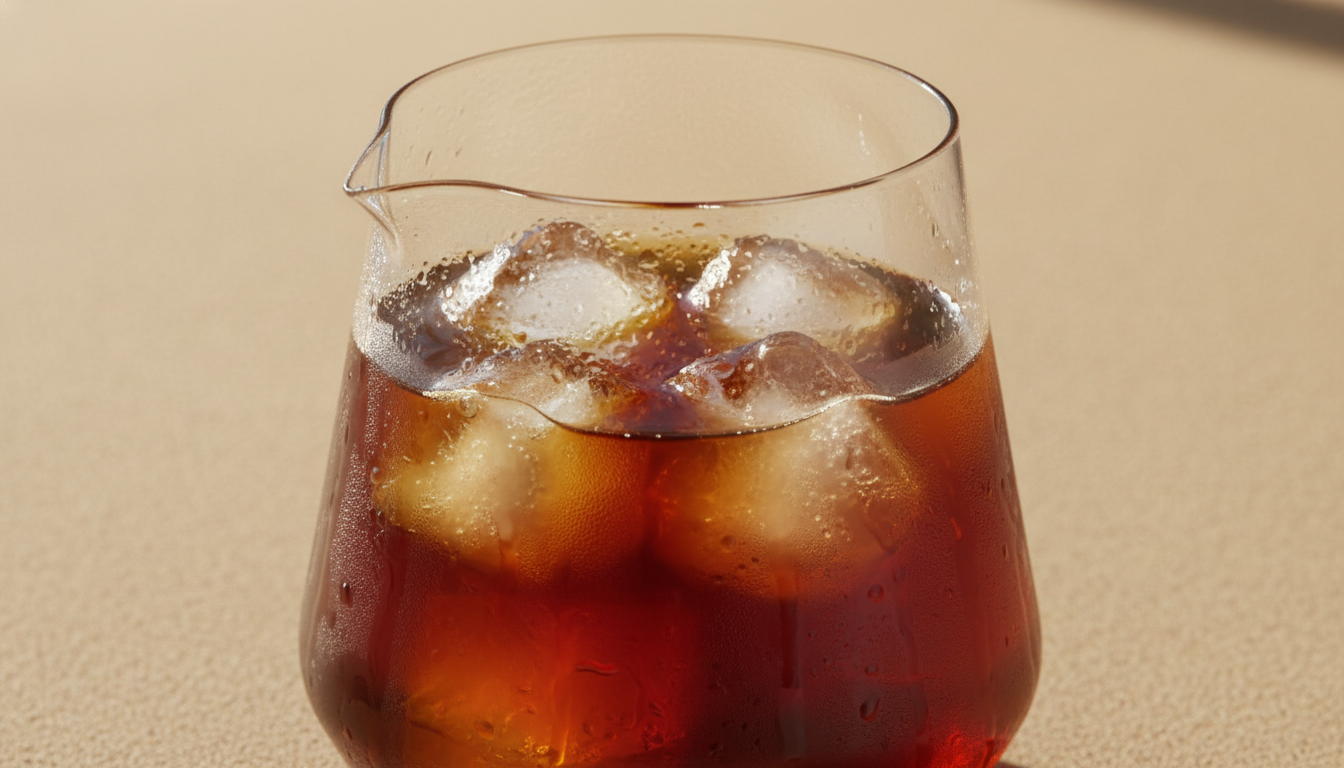
Understanding Cold Brew Espresso
Cold Brew Espresso is defined as coffee concentrate produced by steeping coarse ground coffee in cold water for an extended period. Cold Brew Espresso differs from traditional espresso by extraction method—Cold Brew Espresso uses time instead of pressure. Cold Brew Espresso produces smooth, low-acid concentrate suitable for iced beverages.
Cold Brew Espresso is a type of immersion brewing requiring no special equipment or technical skill. The preparation consists of three simple phases: combining coffee and water, steeping for 12-24 hours, and filtering the concentrate. Cold Brew Espresso is ideal for beginners because the process is forgiving and results are consistent.
The long steeping process extracts caffeine and flavor compounds while minimizing acidic compounds. Cold Brew Espresso naturally tastes smoother and less bitter than hot-brewed coffee. Cold Brew Espresso concentrate serves as the base for iced lattes, americanos, and other cold coffee drinks.
Cold Brew Espresso differs from Japanese Iced Coffee by temperature and time—Cold Brew Espresso uses cold water over 12-24 hours while Japanese Iced Coffee uses hot water over 3-4 minutes. Cold Brew Espresso produces different flavor profiles emphasizing chocolate and nut notes over bright acidity.
Cold Brew Espresso requires minimal equipment investment. A simple jar, coffee grounds, cold water, and a strainer suffice for basic preparation. Cold Brew Espresso scales easily from single servings to large batches.
Cold Brew Espresso suits busy lifestyles through batch preparation. One brewing session produces concentrate lasting 2-3 weeks refrigerated. Cold Brew Espresso eliminates daily brewing while providing consistent iced coffee availability.
Cold Brew Espresso benefits from coarse grind size similar to French press consistency. Fine grind causes over-extraction and difficult filtering during Cold Brew Espresso preparation. Cold Brew Espresso water quality affects final taste—filtered water produces cleaner results.
Cold Brew Espresso represents an accessible entry point into specialty coffee. The method requires no technique mastery yet produces café-quality results. Cold Brew Espresso success depends on following basic ratios and steeping times rather than skill development.
Equipment Needed for Beginners
Essential Equipment (Minimum)
- ☑ Large jar or container (1-liter capacity minimum)
- ☑ Coarse ground coffee (or whole beans + grinder)
- ☑ Cold filtered water
- ☑ Fine mesh strainer or cheesecloth
- ☑ Measuring cups or kitchen scale
- ☑ Storage container for finished concentrate
Helpful Additions
- ☐ Digital scale for precise measurements
- ☐ Dedicated cold brew maker (Toddy, Hario, etc.)
- ☐ Nut milk bag (easier filtering than cheesecloth)
- ☐ Burr grinder for fresh coarse grinding
- ☐ Funnel for transferring concentrate
Steep Time Chart
| Steep Duration | Strength | Flavor Profile | Caffeine Level | Best For |
| 8-12 hours | Light | Tea-like, subtle | Moderate | Ready-to-drink (no dilution) |
| 12-16 hours | Medium | Balanced, smooth | High | Versatile concentrate |
| 16-20 hours | Strong | Rich, full-bodied | Very High | Diluted drinks |
| 20-24 hours | Very Strong | Intense, concentrated | Maximum | Heavy dilution (1:2 or more) |
Step-by-Step Beginner Guide
Step 1: Measure Ingredients (2 minutes)
- Weigh coffee: Measure 100g coarse ground coffee (approximately 1 cup)
- Measure water: Prepare 400ml cold filtered water (approximately 1.5 cups)
- Verify ratio: Confirm 1:4 coffee-to-water ratio for concentrate
Step 2: Combine Coffee and Water (2 minutes)
- Add coffee to jar: Place ground coffee in clean glass jar
- Pour water slowly: Add cold water gradually while stirring
- Saturate grounds: Ensure all coffee is wet—no dry pockets
- Stir thoroughly: Mix for 30 seconds to eliminate clumps
Step 3: Steep (12-24 hours)
- Cover container: Place lid or plastic wrap on jar
- Room temperature or refrigerator: Both work; room temp extracts faster
- Set timer: Mark start time, plan for 16-hour steep
- Occasional stir (optional): Agitate once halfway through if convenient
Step 4: Filter (5 minutes)
- Prepare strainer: Line mesh strainer with cheesecloth or use nut milk bag
- Position over container: Place over clean jar or pitcher
- Pour slowly: Transfer cold brew mixture through filter
- Allow drainage: Let liquid pass through without squeezing initially
- Press grounds gently: Lightly squeeze bag to extract remaining liquid
- Discard grounds: Compost spent coffee grounds
Step 5: Store and Serve (2 minutes)
- Transfer concentrate: Pour filtered cold brew into clean storage container
- Refrigerate: Store in refrigerator for up to 2-3 weeks
- Dilute to taste: Mix concentrate 1:1 with water or milk for serving
- Serve over ice: Pour over fresh ice cubes
Grind Size Guide
| Grind Size | Visual Reference | Steep Result | Filtration |
| Too Fine | Sand-like, powdery | Bitter, over-extracted | Difficult, clogs filters |
| Correct (Coarse) | Kosher salt, rough | Smooth, balanced | Easy, minimal sediment |
| Too Coarse | Large chunks, uneven | Weak, under-extracted | Very easy, fast |
Recipe Ratios for Different Batch Sizes
| Batch Size | Coffee | Water | Yield (Concentrate) | Servings |
| Small | 50g | 200ml | ~180ml | 2-3 drinks |
| Medium | 100g | 400ml | ~350ml | 4-6 drinks |
| Large | 200g | 800ml | ~700ml | 8-12 drinks |
| Ready-to-Drink* | 60g | 500ml | ~450ml | 2 drinks (no dilution) |
*Ready-to-drink ratio uses more water for immediate consumption without dilution
Troubleshooting Common Issues
| Problem | Likely Cause | Beginner Fix |
| Too bitter | Steeped too long or grind too fine | Reduce steep time to 12-14 hours; use coarser grind |
| Too weak | Steeped too short or too much water | Extend steep to 18-20 hours; check 1:4 ratio |
| Muddy sediment | Grind too fine or inadequate filtering | Use coarser grind; double-filter through cheesecloth |
| Stale/off flavors | Old coffee beans or storage issues | Use coffee within 4 weeks of roasting; fresh water |
| Oily film on top | Natural coffee oils from dark roast | Normal occurrence; skim off or stir in |
| Cloudy appearance | Fine particles suspended | Let settle, pour carefully; filter again if desired |
Serving Suggestions
Cold Brew Drink Variations
| Drink | Concentrate | Dilution | Additions |
| Classic Black | 60ml | 120ml water | Ice |
| Cold Brew Latte | 60ml | 180ml milk | Ice, optional sweetener |
| Cold Brew Americano | 60ml | 180ml water | Ice, orange peel |
| Cold Brew Mocha | 60ml | 150ml milk | 15ml chocolate syrup, ice |
Cold Brew vs. Other Iced Coffee Methods
Method Comparison
| Characteristic | Cold Brew | Japanese Iced | Iced Espresso |
| Time Required | 12-24 hours | 3-4 minutes | 2-3 minutes |
| Skill Level | Beginner | Intermediate | Intermediate |
| Equipment | Minimal | Pour-over setup | Espresso machine |
| Acidity | Very low | High (bright) | Moderate |
| Batch Size | Large (scalable) | Single serving | Single/double |
Beginner Success Tips
✓ Key Recommendations
- Start with medium roast: More forgiving than light or dark roasts
- Use fresh beans: Coffee within 4 weeks of roast date tastes best
- Filtered water matters: Improves flavor and extends concentrate life
- Label your batches: Note steep start time and coffee used
- Clean equipment: Wash thoroughly between batches to prevent rancid flavors
- Experiment gradually: Change one variable at a time (time, ratio, roast)